Wood Betony: Materia Medica
Société Apothecary
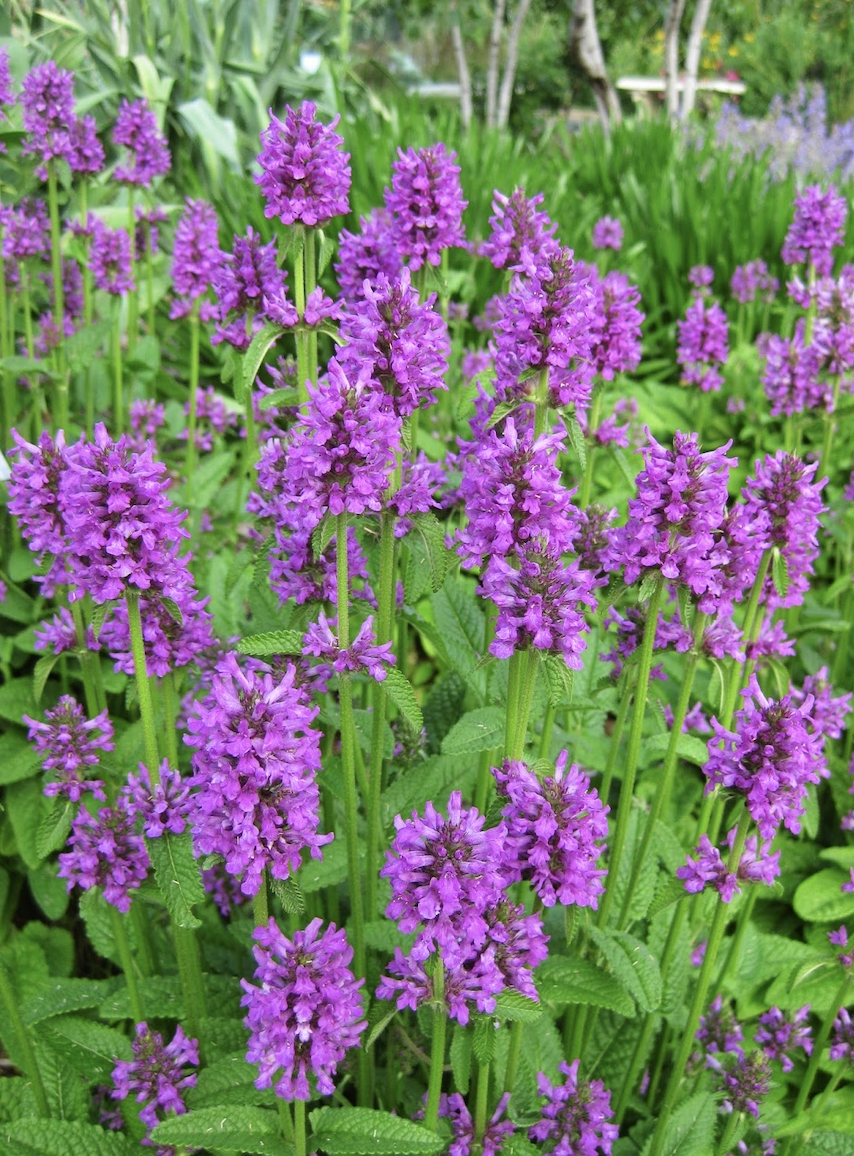
Wood Betony ( Stachys officinalis ) is a gentle, grounding nervine long revered by European herbalists, monks, and folk healers. The wood betony herb benefits have been celebrated for centuries — from easing nervous tension and supporting digestion to clearing cloudy minds and lifting low moods. It was once said that "you should sell your coat and buy betony." "Wood Betony calls the spirit home to the body — calming the mind, grounding the nerves, and strengthening the core." MATERIA MEDICA Latin Binomial: Stachys officinalis (formerly Betonica officinalis ) Common Name(s): Wood Betony, Betony, Purple Betony TCM Name: Not commonly used Ayurvedic Name: No direct equivalent; similar energetics to Brahmi for mental clarity Family: Lamiaceae (Mint family) Physical Description of the Plant: A low-growing perennial with wrinkled, oval-to-lance shaped leaves and tall spikes of purple flowers. It has square stems and aromatic foliage. Habitat: Native to Europe, especially woodlands, meadows, and hedgerows. Prefers moist, well-drained soils and partial shade. Harvest and Collection: Aerial parts are harvested during flowering in summer. Best used fresh or gently dried. Parts of the Plant Used: Aerial parts (leaf and flower) Qualities: Bitter, aromatic, slightly astringent Energetics: Warming, drying, grounding Chemical Constituents: Iridoid glycosides (aucubin) Tannins Alkaloids (trace) Flavonoids Volatile oils Phenolic acids Actions: Nervine tonic Mild sedative Digestive stimulant Headache remedy Astringent Carminative Slightly hypotensive Indications: Tension headaches and migraines Anxiety, nervous tension, mild depression Poor concentration and mental fog Digestive upset linked to stress Postural imbalance and somatic tension Nervous palpitations Neck and shoulder tension Diagnostic Picture: Best for nervous, frazzled types who feel ungrounded, dizzy, or foggy. Often useful for those who carry tension in the head, neck, and shoulders or suffer from overthinking and nervous digestion. Contraindications/Cautions: May lower blood pressure — use caution in hypotensive individuals Avoid during pregnancy in large doses (mild uterine effects, though not strongly emmenagogic) Drug Interactions: May enhance effects of antihypertensives or sedatives (mildly) Dosage: Infusion (Tea): 1–2 tsp dried herb per cup; steep 10–15 minutes; 1–3x/day Tincture: 2–5 mL, up to 3x/day Poultice/Compress: Infusion used for external pain or muscle tension Combinations: With Skullcap and Milky Oats for anxious exhaustion With Chamomile and Ginger for nervous digestion With Rosemary and Lemon Balm for mental clarity and low mood With Motherwort or Hawthorn for emotional heart tension Wood Betony Medicinal Uses Through History Wood Betony was sacred to the ancient Celts and later praised by monks and physicians throughout the Middle Ages. Its wood betony medicinal uses were extraordinarily broad — ancient texts record it as a remedy for everything from headaches and "worms of the belly" to poisonous bites and melancholy. Believed to protect against evil spirits and "phantasms of the mind," it was planted around homes and carried in pouches. The saying "He has as many virtues as betony" speaks to its rich history in emotional and physical healing. The Anglo-Saxon Herbal — one of the oldest surviving European herbals — lists betony as effective for no fewer than 47 ailments. Medieval monks grew it in physic gardens as a matter of course, and it remained a staple of European folk medicine well into the 18th century. Today, it is experiencing a quiet renaissance as herbalists rediscover its grounding, nerve-steadying gifts. Applications: Ideal for modern stress and overwhelm — whether mental, digestive, or muscular. Use as a tea, tincture, or in aromatic blends for anxiety, brain fog, and neck tension. One of the best herbs for reconnecting body and mind. Wood Betony Herb Benefits: What This Plant Does for Body and Mind The wood betony herb benefits span several body systems, making it a quietly versatile ally for those navigating the pressures of modern life. Here is a closer look at where it shines: Nervous System Support: As a nervine tonic, wood betony helps restore a sense of calm without sedating the way stronger nervines can. It is particularly well suited to the person who feels scattered, ungrounded, or buzzing with mental chatter — bringing a sense of presence and quiet steadiness rather than dulling the edges. Tension Headache Relief: One of wood betony's most celebrated medicinal uses is its affinity for tension headaches originating in the neck and shoulders. Its antispasmodic and mild circulatory actions help ease the muscular holding patterns that so often underlie head pain. A warm cup of betony tea at the first whisper of a tension headache is a time-honoured practice worth reviving. Digestive Harmony: As a bitter and carminative herb, wood betony gently stimulates digestive secretions and helps ease bloating, cramping, and the kind of sluggish digestion that worsens with stress. It is particularly useful when the gut and nervous system are caught in a feedback loop of anxiety and digestive discomfort. Mental Clarity and Focus: Wood betony has a long folk reputation as a remedy for "foggy head" — that cottony, unfocused feeling that descends during periods of exhaustion or overwhelm. It is not a stimulant, but rather works by grounding excess nervous energy so the mind can settle into clarity. Mild Cardiovascular Support: Its slightly hypotensive action and affinity for nervous palpitations make it a thoughtful inclusion in blends for those whose hearts race with anxiety. Always consult a qualified practitioner if you are managing a diagnosed cardiovascular condition. Wood Betony Magical Uses and Folk Tradition Beyond its role in the physic garden, wood betony has a rich and layered magical history that spans Celtic, Roman, and medieval European traditions. Its wood betony magical uses were taken as seriously as its medicinal ones — in many traditions, the line between the two was barely drawn. Protection: Wood betony was one of the great protective herbs of European folk magic. It was grown around homes, churches, and burial grounds to ward off evil spirits, malevolent magic, and nightmares. In Anglo-Saxon England, it was sewn into amulets and worn on the body as a charm against "frightful goblins, terrible visions, and dreams." Purification: Midsummer bonfires in parts of Europe traditionally included betony, with people jumping through the smoke to purify themselves and ward off illness for the coming year. The smoke was also used to cleanse sacred spaces and tools. Mental and Spiritual Clarity: In keeping with its medicinal action on the mind, betony was used magically to dispel confusion, illusion, and the influence of trickster spirits. It was seen as a herb that anchors the spirit to the body — useful for those who felt "away with the fairies" or spiritually unmoored. Dreams and the Otherworld: Betony placed beneath a pillow was said to prevent nightmares and protect the dreamer while they journeyed in sleep. Conversely, it was also used in folk practice to encourage prophetic or meaningful dreams — a dual role that speaks to its reputation as a plant that mediates between worlds while keeping the traveller safe. Modern Ritual Use: Today, herbalists and those drawn to plant medicine may work with wood betony's grounding energy in ritual baths, smoke bundles, or as a botanical companion during meditation — particularly practices aimed at coming home to the body, releasing overthinking, or anchoring after spiritual or emotional intensity. These folk and magical traditions are offered in the spirit of botanical history and cultural appreciation. They are not medical claims. Wood Betony Herb: Safety, Precautions, and Considerations Wood betony is considered a gentle and well-tolerated herb when used in traditional doses, but as with all plant medicines, a few sensible precautions apply. Pregnancy: Avoid therapeutic doses during pregnancy. While wood betony is not strongly emmenagogic, it has mild uterine-stimulating properties. Culinary or incidental amounts are unlikely to cause concern, but medicinal use should be avoided unless guided by a qualified practitioner. Blood Pressure: Its mild hypotensive action means those already taking medication to lower blood pressure should use wood betony cautiously and with practitioner guidance, as effects may compound. Sedative Medications: Wood betony may mildly enhance the effects of sedative medications. If you take any prescription sedatives or anxiolytics, consult your healthcare provider before adding wood betony to your routine. Dosage: At normal herbal doses, wood betony is very well tolerated. Very high doses may cause nausea — another good reason to work within traditional guidelines and with the support of a trained herbalist. Research: As with many traditional European herbs, formal clinical research on wood betony is still emerging. Its use is primarily supported by a rich tradition of empirical practice and the clinical experience of contemporary medical herbalists. Treat enthusiastic health claims with appropriate discernment. Always consult a qualified herbal or medical practitioner before beginning any new herbal regimen, particularly if you are pregnant, nursing, managing a chronic condition, or taking pharmaceutical medications. Recipes: Headache Soothing Tea Wood Betony Skullcap Peppermint Drink at early signs of tension headaches Grounding Nervine Tincture Wood Betony Milky Oats Lemon Balm Use for emotional re-centering and nervous agitation Digestive Bitters Wood Betony Chamomile Orange peel Take before meals for stress-related indigestion Scientific Research: While formal studies are limited, traditional use and empirical reports support its use as a nervine, cognitive aid, and mild digestive tonic. Some constituents show anti-inflammatory and mild sedative effects. References: Hoffmann, D. "Medical Herbalism" Grieve, M. "A Modern Herbal" Wood, M. "The Earthwise Herbal: A Complete Guide to Old World Medicinal Plants" King's Dispensatory Historical European herbal manuscripts Click here for products with wood betony. Three Wood Betony Recipes to Try at Home Wood Betony Tea for Relaxation 1 tablespoon dried wood betony leaves 1 cup boiling water Honey or lemon (optional) Place the dried wood betony leaves in a tea infuser or teapot. Pour the boiling water over the leaves. Allow the tea to steep for 10-15 minutes. Strain the leaves and pour the tea into a cup. Add honey or lemon to taste if desired. Wood Betony Tincture for Digestive Support 1 part dried wood betony leaves 5 parts vodka or brandy (at least 40% alcohol) Glass jar with lid Fill a glass jar with the dried wood betony leaves. Pour vodka or brandy over the leaves until they are fully covered. Seal the jar tightly and store it in a cool, dark place for 4-6 weeks, shaking it gently every few days. Strain the mixture through a fine mesh sieve or cheesecloth into a clean jar. Store the tincture in a dark glass bottle with a dropper for convenient use. Wood Betony Infused Oil for Soothing Salve 1 cup dried wood betony leaves 1 cup olive oil or sweet almond oil Mason jar Cheesecloth Place the dried wood betony leaves in a mason jar. Pour the olive oil or sweet almond oil over the leaves, ensuring they are completely submerged. Seal the jar and place it in a warm, sunny spot for 2-4 weeks, shaking it occasionally. Strain the infused oil through cheesecloth into a clean jar. Use the oil directly on the skin or as a base for making herbal salves. Always consult with a qualified healthcare practitioner before starting any new herbal regimen.