What Is Yellow Dock Good For? Root, Leaf & Uses
Société Team
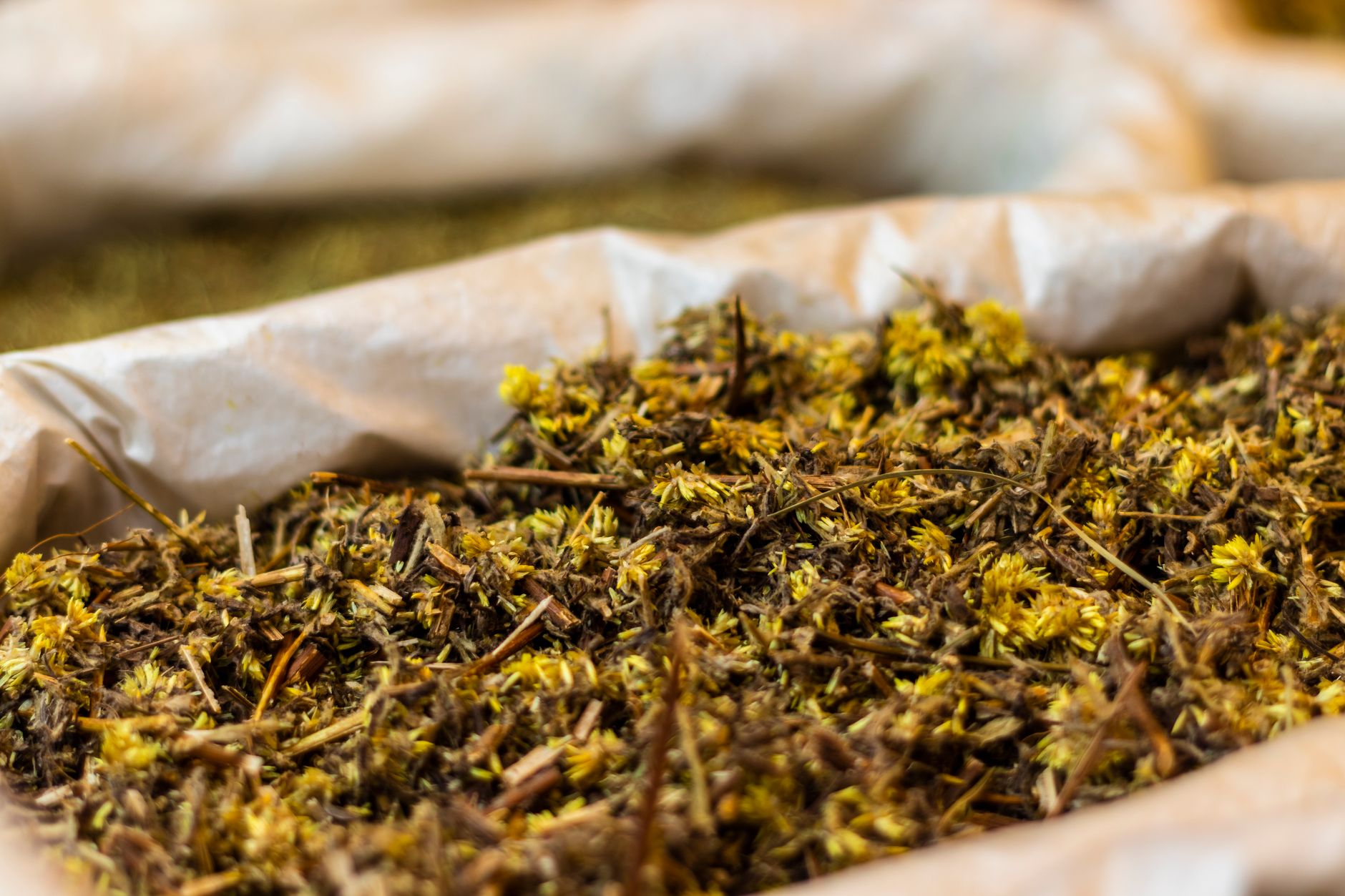
What Is Yellow Dock Good For? A Deep Dive Into This Ancient Herb If you've ever wondered what is yellow dock good for , you're in good company. This humble, roadside plant has been quietly earning its place in herbal medicine cabinets for centuries, long before wellness culture made adaptogens a household word. Yellow dock ( Rumex crispus ), also known as curly dock, is a perennial herb with distinctive lance-shaped, wavy-edged leaves and a deep, earthy taproot that holds the plant's most potent medicinal properties. From supporting iron absorption to stimulating sluggish digestion, yellow dock benefits are as broad as they are impressive. What Is Yellow Dock? Getting to Know This Botanical Powerhouse Yellow dock is a member of the buckwheat family ( Polygonaceae ) and is native to Europe, though it now grows abundantly across North America, Asia, and beyond. You'll often spot it in disturbed soils, meadows, and roadsides — a true survivor that thrives where other plants won't. The plant produces tall, reddish-brown seed stalks in late summer that make it easy to identify. Its distinctive curled leaf margins are why it's also called curly dock — and what gives it the botanical name crispus , meaning curly or crisped. Both the root and leaves have been used medicinally and culinarily across cultures. Native American tribes, European herbalists, and traditional Chinese medicine practitioners have all recognized yellow dock as a valuable healing ally. What Is Yellow Dock Root Good For? The Powerhouse Underground When most herbalists talk about yellow dock, they're primarily referring to the root — and for very good reason. The root is where the plant concentrates its most potent compounds, including anthraquinone glycosides, tannins, oxalic acid, and importantly, iron-rich minerals alongside constituents that support iron absorption. So, what is yellow dock root good for? Here's where the real magic lies: Iron support: Yellow dock root contains a meaningful amount of bioavailable iron and — crucially — compounds that help the body absorb iron more efficiently, making it a favorite among herbalists addressing iron-deficiency concerns. Bitter digestive stimulation: The root's bitter constituents trigger bile production, supporting fat digestion and encouraging sluggish bowels. Liver and detox support: Traditional herbalists classify yellow dock as a liver tonic, using it to stimulate liver function and encourage the elimination of waste products. Gentle laxative action: Anthraquinone compounds in the root provide a mild, stimulating laxative effect, useful for occasional constipation. Lymphatic support: Yellow dock has a long history of use as a lymphagogue — an herb that supports lymphatic drainage and helps the body process cellular waste. Understanding what is yellow dock root used for reveals a plant that works holistically, supporting multiple interconnected body systems rather than targeting just one symptom in isolation. Yellow Dock and Iron: The Connection Every Herbalist Knows One of the most celebrated aspects of yellow dock is its relationship with iron. Iron deficiency is the most common nutritional deficiency worldwide , and yellow dock has been used by herbalists for generations as a natural support tool. The root itself contains iron, but what makes yellow dock especially interesting is that it also contains vitamin C-like acids that help convert iron from its less bioavailable ferric form to the more absorbable ferrous form. This dual action — providing iron while enhancing its uptake — sets yellow dock apart from simple mineral supplements. This is also why the classic herbal combination of dandelion and yellow dock is so popular. Dandelion root supports liver function and bile flow, while yellow dock brings its iron-rich, absorption-enhancing properties to the partnership. Together, they make a formidable duo for people looking to support healthy blood and energy levels. Herbalists frequently recommend yellow dock for individuals who experience fatigue, paleness, or poor recovery — signs that the body may be running low on iron reserves. It pairs beautifully with other iron-supportive herbs like nettle and burdock. Yellow Dock as a Bitter Digestive Herb Beyond iron, yellow dock is a classic bitter herb — a category of plants that work by stimulating the body's digestive secretions through taste receptors on the tongue. Bitters have a long and respected history in herbal medicine and traditional culinary cultures. Aperitif drinks, digestive bitters, and herbal liqueurs are all rooted in this ancient understanding that bitterness is the body's digestive signal . When you take yellow dock root before or with a meal, the bitter compounds trigger a cascade of digestive activity: Increased saliva production for better carbohydrate breakdown Stimulation of bile from the gallbladder to emulsify dietary fats Encouragement of stomach acid secretion for protein digestion Improved motility in the intestines to keep things moving For people who experience bloating, sluggish digestion after meals, or general digestive discomfort, yellow dock is a wonderfully gentle and effective support herb. Yellow Dock Leaves: The Overlooked Part of the Plant While the root steals most of the spotlight, yellow dock leaves deserve their own moment of recognition. Young, tender dock leaves have been eaten as a pot herb across many cultures — think spring greens gathered from the wild. Yellow dock leaves are high in vitamins A and C, making them a nutritious wild food when harvested before the plant matures. However, they do contain oxalic acid (the same compound found in spinach and rhubarb), so they're best eaten cooked rather than raw, and in moderation. Medicinally, yellow dock leaves have been used topically. The classic folk remedy of rubbing a bruised dock leaf on a nettle sting is practically British tradition — and it genuinely offers soothing relief, likely due to the leaf's cooling, mucilaginous properties. Fresh or dried leaves can be used in poultices for skin irritations, minor rashes, and inflammation. While the root remains the primary medicinal focus, the leaves are a valuable and underutilized part of the whole plant. Forms of Yellow Dock: Tea, Tincture, Powder & More One of the great things about yellow dock is its versatility in preparation. Depending on your preference and intended use, there are several effective ways to work with this herb. Yellow dock tea is one of the most traditional preparations, made by decocting (simmering) the dried root in water for 15–20 minutes. What is yellow dock root tea good for? It's excellent for digestive support and iron supplementation, with a robust, slightly bitter, and earthy flavor. Yellow dock tea can be sipped before meals as a digestive tonic or taken regularly as part of a nutritive protocol. Yellow dock tincture is a popular choice for those who prefer liquid extracts. What is yellow dock tincture good for? Tinctures offer concentrated, fast-absorbing medicine that's easy to incorporate into a daily routine with just a few drops in water. They're ideal for on-the-go use and for people who don't enjoy the tea's strong flavor. Yellow dock powder offers flexibility for adding the herb to smoothies, capsules, or food preparations. What is yellow dock powder good for? It works well as a supplement form for those who want to avoid alcohol-based preparations or who prefer to encapsulate their herbs at home. Yellow dock supplements in capsule or tablet form are widely available and convenient, particularly for those new to herbal medicine who prefer standardized dosing. What is yellow dock supplement good for in this form? Capsules are especially practical for digestive and iron-support protocols taken over longer periods. Each form has its strengths, and many herbalists recommend rotating or combining preparations based on seasonal needs and personal constitution. Yellow Dock vs. Curly Dock: Are They the Same? A common question that comes up is: what is curly dock good for , and is it different from yellow dock? The answer is simple — they are the same plant. Rumex crispus goes by both names interchangeably. "Curly dock" refers to the curled or crisped leaf margins, while "yellow dock" refers to the yellow-tinted interior of the root when cut. Both names describe the same botanical species, so you can use the terms interchangeably when researching or purchasing this herb. Occasionally, Rumex obtusifolius (broad-leaved dock) is also used medicinally, but Rumex crispus remains the most widely studied and traditionally used species. Yellow Dock Benefits: A Summary of What This Herb Supports To bring together everything we've explored, here are the key yellow dock benefits that make this herb a staple in herbalist traditions: Iron support and enhanced iron absorption Gentle liver stimulation and bile production Digestive bitters action — supporting the entire digestive cascade Mild laxative effect for occasional constipation Lymphatic support and detoxification Nutritive leaf greens rich in vitamins A and C Topical soothing properties for skin irritation Synergistic pairing with dandelion for blood and liver health What is yellow dock herb good for, in a single phrase? It's a whole-body, bitter, iron-rich nourisher — a plant that works systemically and gently, supporting the body's own processes rather than overriding them. Safety, Considerations & Who Should Use Caution Yellow dock is generally well-tolerated by most adults when used appropriately, but there are a few important considerations to keep in mind. Because it contains oxalic acid , yellow dock should be used with caution by individuals with kidney stones, gout, or conditions affected by oxalate intake. Long-term use of anthraquinone-containing laxative herbs is generally not recommended without professional guidance, as it may affect bowel regularity over time. Pregnant or nursing individuals should consult a qualified healthcare practitioner before using yellow dock, as with any medicinal herb. Those on blood thinners, iron medications, or with existing liver conditions should also seek professional advice before incorporating yellow dock into their routine. This blog post is for informational purposes only and does not constitute medical advice. Always consult a qualified herbalist or healthcare professional before beginning any new herbal protocol, especially if you have an existing health condition or are taking medications. Explore Yellow Dock and More at Societe If yellow dock has sparked your curiosity, you're just at the beginning of a beautiful journey into the world of medicinal herbs. We'd love to support you along the way. Visit Societe at societeapothecary.com to explore our thoughtfully curated selection of herbs, tinctures, and botanical preparations — including yellow dock and the complementary herbs that pair so beautifully with it. Come browse, ask questions, and find the herbal allies that feel right for you. Three Yellow Dock Recipes to Try at Home Yellow Dock Root Infusion 1 tablespoon dried yellow dock root 2 cups boiling water Honey or lemon (optional, to taste) Place the dried yellow dock root in a teapot or heatproof container. Pour boiling water over the root and cover. Let steep for 20 minutes to extract its beneficial properties. Strain the infusion into a cup, sweeten with honey or lemon if desired, and enjoy. Yellow Dock Leaf and Dandelion Salad 1 cup fresh yellow dock leaves, chopped 1 cup fresh dandelion greens, chopped 1/2 cup cherry tomatoes, halved 1/4 cup red onion, thinly sliced 2 tablespoons olive oil 1 tablespoon apple cider vinegar Salt and pepper to taste In a large salad bowl, combine the yellow dock leaves, dandelion greens, cherry tomatoes, and red onion. In a small bowl, whisk together the olive oil, apple cider vinegar, salt, and pepper. Drizzle the dressing over the salad and toss gently to combine. Serve fresh as a