What is Reiki? A Guide to Energy Healing
Société Apothecary
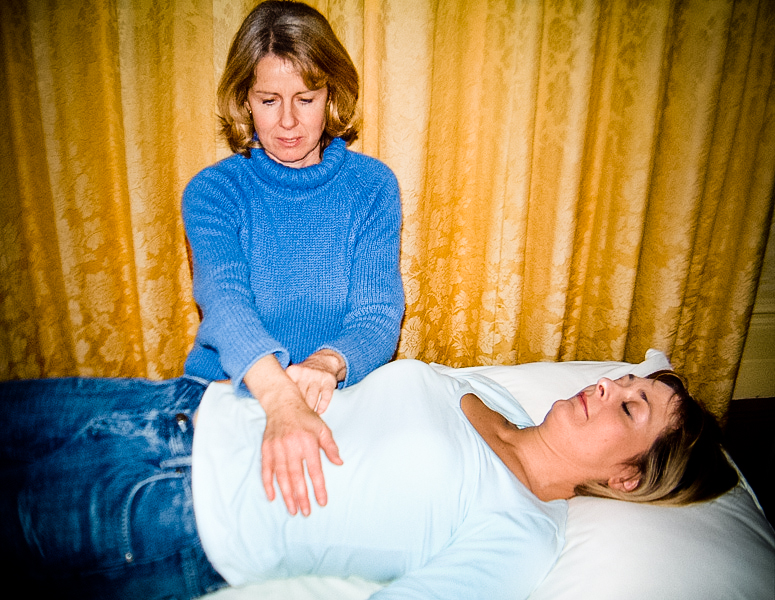
What is Reiki? A Guide to Energy Healing Reiki is a form of energy healing that originated in Japan in the early 20th century. Rooted in the idea that life force energy flows through all living beings, Reiki practitioners believe that by channeling this energy, they can promote physical, emotional, and spiritual well-being. The History of Reiki Reiki was developed in the early 1900s by Dr. Mikao Usui, a Japanese Buddhist monk and spiritual teacher. Usui sought a healing method that could restore balance to the body and spirit without relying on complex medical procedures. After years of studying ancient healing texts and meditating on a sacred mountain, he experienced a powerful energy awakening. This experience led him to develop Reiki as a healing practice and pass his knowledge on to students, laying the foundation for Reiki's spread worldwide. After Usui’s passing, Reiki was carried forward by his students, including Dr. Chujiro Hayashi, who refined Reiki techniques, and Hawayo Takata, who introduced Reiki to the West. Today, Reiki is practiced globally in various forms, incorporating traditional and modern techniques. The Basics of Reiki The word "Reiki" comes from two Japanese words: "Rei" (universal) and "Ki" (life energy). It is based on the principle that when a person’s energy is low or blocked, they may experience stress, illness, or emotional distress. Reiki aims to restore balance and enhance the body's natural healing ability. A Reiki session typically involves the practitioner placing their hands lightly on or just above the recipient’s body in specific positions. The goal is to facilitate the flow of energy to where it is needed most, promoting relaxation and healing. Sessions can last anywhere from 30 minutes to an hour and are often accompanied by soft music or a calming environment to enhance the experience. Reiki sessions may also include: Scanning the Body’s Energy Field: Some practitioners use hand-scanning techniques to detect areas of energetic imbalance. Chakra Balancing: Reiki is often used to align and balance the body's energy centers, known as chakras. Breathwork and Visualization: Some sessions include guided breathing exercises and visualizations to amplify energy healing effects. Use of Crystals: Some Reiki practitioners incorporate healing crystals to enhance energy flow and clearing. Sound Healing: Instruments like singing bowls and tuning forks are sometimes used to enhance the healing process. How Reiki Works Although Reiki is considered a holistic practice, it is not tied to any specific religion. Instead, it is based on the belief that energy can be directed with intention. Some potential benefits include: Stress Reduction & Relaxation: Reiki promotes deep relaxation, which may help reduce stress and anxiety. Pain Relief: Many recipients report feeling relief from chronic pain, migraines, or tension. Emotional Healing: Reiki is thought to help process emotions, alleviate depression, and improve overall mood. Enhanced Well-being: Some believe that Reiki can boost energy levels, improve sleep, and support the immune system. Accelerated Recovery: Some Reiki practitioners claim that energy healing can aid in the recovery process after surgery or illness. Spiritual Growth: Many use Reiki as a tool for personal and spiritual growth, aligning their energy with higher consciousness. Trauma Healing: Reiki has been integrated into therapy programs for those recovering from emotional or physical trauma. Immune System Support: Reiki may help enhance the body's immune function by reducing stress and promoting relaxation. Many practitioners also incorporate Reiki into meditation and mindfulness practices, further enhancing its calming effects. Reiki for Daily Life Reiki is not just for formal healing sessions; it can be incorporated into daily life for continuous balance and well-being. Some simple ways to integrate Reiki into your routine include: Practicing self-Reiki before bedtime to improve sleep quality. Using Reiki techniques in morning meditation for a more focused start to the day. Placing hands on areas of tension or pain to promote relaxation throughout the day. Channeling Reiki energy into food and beverages as a way to set positive intentions. By making Reiki a part of daily life, individuals can experience its benefits more consistently and maintain emotional and physical balance over time. The Science Behind Reiki While Reiki is widely practiced, scientific evidence on its effectiveness is still limited. Some studies suggest that Reiki can lead to a placebo effect, where individuals feel better because they believe in the treatment. However, many people who receive Reiki report experiencing profound relaxation and emotional release, which may contribute to overall well-being. A study published in the Journal of Alternative and Complementary Medicine found that Reiki sessions significantly reduced stress and anxiety levels in patients. Another study indicated that Reiki could improve heart rate variability, a key indicator of overall well-being. Despite the lack of large-scale clinical trials, Reiki continues to gain popularity as a complementary therapy in hospitals, wellness centers, and private practices worldwide. Many healthcare professionals acknowledge that, while the mechanism behind Reiki remains unclear, the benefits of relaxation and stress reduction can have positive effects on overall health. Learning Reiki The Three Phases of Reiki Training Reiki training is structured in three progressive levels, each deepening the practitioner’s ability to channel energy and facilitate healing. Level 1 (Shoden) – This introductory phase focuses on self-healing and the basics of Reiki practice. Students learn fundamental hand positions, energy flow techniques, and how to use Reiki on themselves and others. It is primarily focused on personal growth and building a connection with Reiki energy. Level 2 (Okuden) – This intermediate level introduces Reiki symbols, which help practitioners focus energy for distance healing and specific intentions. Students at this stage deepen their understanding of energy healing and learn how to use Reiki beyond physical touch, extending it to emotional and mental healing. Level 3 (Shinpiden/Master Level) – The final phase, also known as the Master level, is for those who wish to fully integrate Reiki into their lives or teach others. It involves advanced energy work, mastering symbols, and learning attunement techniques to initiate others into Reiki practice. At this level, practitioners refine their abilities to work with higher energy frequencies and may guide others on their Reiki journey. Reiki is taught by a Reiki Master through a process called attunement, which is said to open the student’s energy channels to receive and transmit healing energy. There are typically three levels of Reiki training: Level 1 (Shoden): Basic hand positions and self-healing techniques. Students learn how to channel Reiki energy for personal use and to share with friends and family. Level 2 (Okuden): Distance healing and deeper energy work. Practitioners learn symbols that help them send healing energy over long distances. Level 3 (Shinpiden/Master Level): Mastering Reiki and the ability to teach others. This level is for those who wish to become Reiki Masters and pass on the practice to students. Many individuals learn Reiki to use on themselves, while others incorporate it into their professional healing practices, such as massage therapy, acupuncture, or counseling. The Integration of Reiki in Modern Wellness Reiki has been increasingly integrated into modern wellness practices. Many wellness retreats, spas, and holistic healing centers offer Reiki as part of their services. It is also used in conjunction with practices such as yoga, meditation, and aromatherapy to enhance overall healing and relaxation. Some hospitals have even incorporated Reiki into patient care programs, particularly for cancer patients and those undergoing major surgeries. While it does not replace traditional medical treatments, it can help patients cope with stress, pain, and the emotional toll of illness. Additionally, Reiki is now being explored in corporate wellness programs, where it is used to help employees manage stress and improve focus. Conclusion As more people explore energy healing, Reiki remains a powerful tool for personal growth, relaxation, and emotional healing. Regardless of your beliefs, setting aside time for self-care and balance can positively impact your overall well-being. Have you ever tried Reiki? Share your experiences in the comments below! Many of Société’s products have Reiki infused, offering an additional layer of energetic support to enhance your well-being. Have you ever tried Reiki? Three Lavender Recipes to Try at Home Lavender Calming Tea 1 tablespoon dried lavender flowers 1 teaspoon dried chamomile flowers 2 cups boiling water Honey or lemon (optional, to taste) Combine the dried lavender and chamomile flowers in a teapot or heatproof jar. Pour boiling water over the herbs and cover. Let steep for 10-15 minutes to allow the flavors to meld. Strain the tea into a cup, adding honey or lemon if desired. Sip slowly, enjoying the calming aroma and soothing effects. Lavender Infused Honey 1 cup raw honey 2 tablespoons dried lavender flowers Glass jar with a lid Pour the raw honey into a clean glass jar. Stir in the dried lavender flowers until well combined. Seal the jar and let the mixture infuse in a cool, dark place for 1-2 weeks. After infusing, gently warm the jar in a bowl of hot water to make the honey easier to strain. Strain out the lavender flowers using a fine mesh sieve or cheesecloth. Store the infused honey in a clean jar and use as a sweetener or drizzle on desserts. Lavender Bath Soak 1 cup Epsom salts 1/2 cup baking soda 2 tablespoons dried lavender flowers 10 drops lavender essential oil (optional) In a large bowl, combine the Epsom salts and baking soda. Add the dried lavender flowers and mix thoroughly. If desired, incorporate lavender essential oil for an extra aromatic touch. Store the mixture in an airtight jar. To use, add 1/2 cup of the mixture to a warm bath and soak for at least 20 minutes, allowing the lavender to relax your body and mind. Always consult a qualified practitioner before starting any new herbal regimen, especially if you have existing health conditions or are pregnant.