What Is Oatstraw Tea? A Closer Look at the Plant, Its Origins, and How to Use It
Société Team
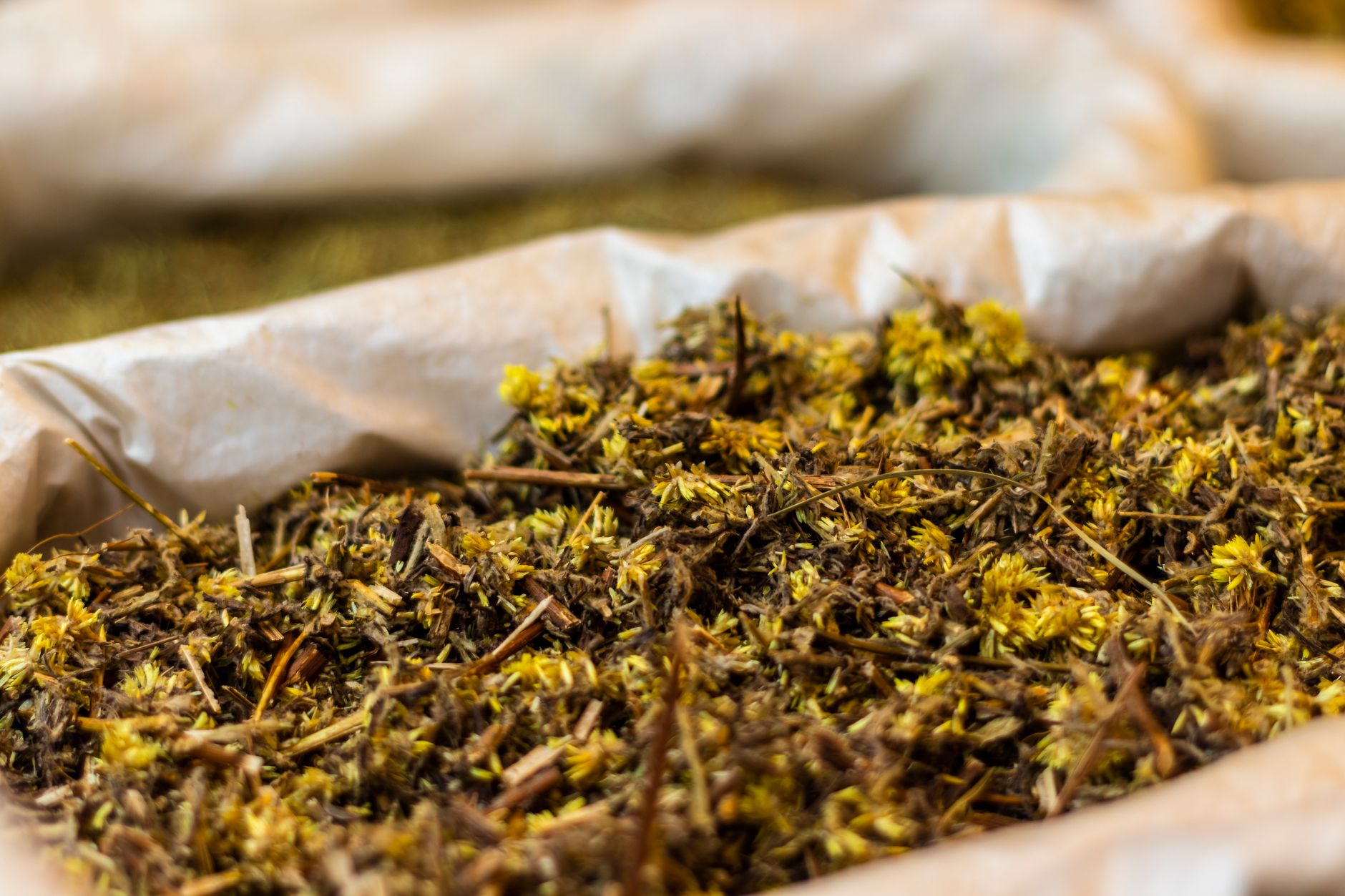
What Is Oatstraw Tea, Exactly? If you've wandered through the world of herbal teas, you may have come across the name oatstraw and wondered what it actually is. Oatstraw tea is an herbal infusion made from the green, above-ground parts of the oat plant — specifically the stems, leaves, and milky seed tops of Avena sativa , harvested before the grain fully matures. This is not the same as oatmeal or rolled oats. While those come from the ripened grain, oatstraw is harvested at an earlier, greener stage — capturing a different nutritional and herbal profile entirely. The result is a mild, earthy tea that has been used in traditional herbalism for centuries, long before oats ever ended up in a breakfast bowl. --- The Botanical Story: Where Oatstraw Comes From The oat plant ( Avena sativa ) is native to the Fertile Crescent and has been cultivated across Europe and Asia for thousands of years. It was originally grown as a food crop, but herbalists quickly noticed that the green, unripened plant had its own remarkable qualities. By the medieval period, European herbalists were recommending oatstraw as a tonic for the nervous system and as a gentle strengthener for the body. It was considered a nutritive herb — meaning it was prized not for dramatic medicinal action, but for quietly feeding and restoring the body over time. Today, oatstraw is grown commercially across North America and Europe, and it remains a beloved staple in traditional Western herbalism. --- What Does Oatstraw Tea Taste Like? One of the most common questions new herbal tea drinkers ask is: what does oatstraw tea taste like? The honest answer is — surprisingly pleasant. Oatstraw has a soft, slightly sweet, grassy flavor with a gentle earthiness. It lacks the bitter edge that many herbal teas carry, which makes it easy to drink on its own or as a base for other herbs. Some people describe it as reminiscent of fresh hay or mild green tea — but lighter and more soothing. It has a naturally silky quality in the mouth, partly due to the minerals it releases into the water during steeping. Because of its mild taste, oatstraw tea pairs beautifully with honey, oat milk, or warming spices like cinnamon. --- What Does Oatstraw Tea Do? Its Traditional and Modern Uses So, what is oatstraw tea good for , and what does oat straw tea do for you ? Herbalists have long turned to oatstraw for a wide range of supportive uses. Traditionally, it was used for: Nourishing the nervous system — oatstraw was considered a gentle tonic for stress, nervous exhaustion, and feelings of depletion Supporting bone and connective tissue health — thanks to its naturally occurring silica, calcium, and magnesium content Promoting a sense of calm and ease — making it a popular choice before sleep or during periods of high demand Strengthening skin, hair, and nails — the silica content in oatstraw is particularly valued for structural tissues Modern herbalists continue to use oatstraw for many of these same purposes. It is considered a trophorestorative — a class of herbs that gently rebuild and restore a depleted system over time, rather than offering a quick fix. What does oatstraw do on a practical level? It offers slow, steady nourishment that accumulates with consistent use. It is best enjoyed as a regular part of your wellness routine rather than as a one-time remedy. --- Three Ways to Use Oatstraw at Home One of the most wonderful things about oatstraw is its versatility. Beyond a simple cup of tea, it can be incorporated into your life in several creative and deeply nourishing ways. Here are three distinct recipes to explore. --- Recipe 1: Classic Oatstraw Long Infusion This is the foundational preparation — a long, slow infusion that extracts the maximum mineral content from dried oatstraw. It is different from a quick steep; the extended time allows minerals like calcium, magnesium, and silica to fully release into the water. Ingredients: - 1 ounce (about 1 cup loosely packed) dried oatstraw - 1 quart (4 cups) freshly boiled water - Honey or a cinnamon stick (optional) Preparation: 1. Place the dried oatstraw into a quart-sized mason jar. 2. Pour freshly boiled water over the herb, filling the jar to the top. 3. Seal the jar with a lid and let it steep for a minimum of 4 hours — or overnight for a richer infusion. 4. Strain out the plant material using a fine-mesh strainer or cheesecloth. 5. Drink 1–2 cups per day, warm or at room temperature. Refrigerate any remainder and use within 48 hours. This method produces a deep green, richly mineral tea that is noticeably more nourishing than a standard 10-minute steep. --- Recipe 2: Oatstraw and Lavender Calming Tincture A tincture is an alcohol-based extraction that concentrates the beneficial compounds of an herb and preserves them for long-term use. This gentle tincture pairs oatstraw with lavender for an easy-to-take daily tonic. Ingredients: - ½ cup dried oatstraw, roughly chopped - 2 tablespoons dried lavender flowers - 1–1.5 cups 80-proof vodka (or food-grade vegetable glycerin for an alcohol-free version) - A clean 8-ounce glass jar with a tight-fitting lid Preparation: 1. Combine the dried oatstraw and lavender in the glass jar. 2. Pour the vodka (or glycerin) over the herbs until they are fully submerged, with at least an inch of liquid above the plant material. 3. Seal the jar tightly and label it with the date. 4. Store the jar in a cool, dark location for 4–6 weeks, shaking it gently every few days. 5. After the maceration period, strain the liquid through cheesecloth, pressing the herbs firmly to extract every drop. 6. Transfer the finished tincture into small dropper bottles and store away from light. Use 1–2 droppers full in a small glass of water once or twice daily. This tincture keeps well for up to two years when stored properly. --- Recipe 3: Oatstraw Mineral-Rich Hair Rinse Because oatstraw is naturally high in silica — a mineral that supports the strength and luster of hair — it makes a beautiful topical hair rinse . This recipe is a lovely way to experience oatstraw beyond the teacup. Ingredients: - ½ cup dried oatstraw - 2 cups water - 5 drops rosemary essential oil (optional, for scalp stimulation) - 1 teaspoon apple cider vinegar Preparation: 1. Bring 2 cups of water to a boil in a small saucepan. 2. Add the dried oatstraw, reduce to a low simmer, and cover. Simmer gently for 20 minutes. 3. Remove from heat and let the mixture cool completely. 4. Strain out the plant material, then stir in the apple cider vinegar and rosemary essential oil if using. 5. Transfer to a clean squeeze bottle or jar. 6. After shampooing, pour the rinse slowly over your hair, massaging it into your scalp. Do not rinse out — allow it to dry naturally. Use this rinse 1–2 times per week for best results. The silica and minerals from the oatstraw help smooth the hair shaft, while the apple cider vinegar helps balance scalp pH. --- Who Is Oatstraw Tea Best Suited For? Oatstraw is widely considered one of the safest and most gentle herbs in the Western tradition. It is well-suited for: People experiencing nervous system depletion from chronic stress or burnout Those who want to support bone density and connective tissue through nutrition Anyone looking for a caffeine-free daily tonic with a pleasant, mild flavor People interested in supporting skin, hair, and nail health from the inside out One important note: because oatstraw comes from the oat plant, those with celiac disease or severe gluten sensitivity should consult a qualified healthcare practitioner before using it regularly, though oatstraw itself does not contain gluten. Oatstraw is generally considered very safe for long-term daily use in typical amounts. As with any herb, if you are pregnant, nursing, or managing a health condition, it is always wise to check in with your healthcare provider. --- Oatstraw in the Bigger Picture of Herbal Wellness Understanding what is oat straw tea good for goes beyond any single benefit. Oatstraw represents a broader philosophy in herbal wellness: the idea that slow, consistent nourishment is as valuable — sometimes more so — than a targeted, fast-acting remedy. In a culture that often looks for immediate results, oatstraw quietly asks us to take the long view. Its gifts accumulate over weeks and months of regular use, gently replenishing what modern life tends to deplete. This makes it a natural companion to other nourishing lifestyle practices: adequate sleep, whole foods, movement, and time spent in nature. Oatstraw doesn't replace those things — it supports and deepens them. It is, in many ways, one of the most honest herbs you can work with. It simply nourishes. And sometimes, that is exactly what the body needs most. --- Discover Oatstraw Tea at Societe If you're ready to bring oatstraw into your daily ritual, we'd love to help you get started. Explore our thoughtfully sourced oatstraw tea at societeapothecary.com/product/what-is-oatstraw-tea/ and find the quality that your wellness practice deserves. At Societe, we believe that the best herbs are the ones you actually reach for every day — and oatstraw just might become one of yours.