Turmeric: The Golden Root That's Been Healing Humanity for Thousands of Years
Société Team
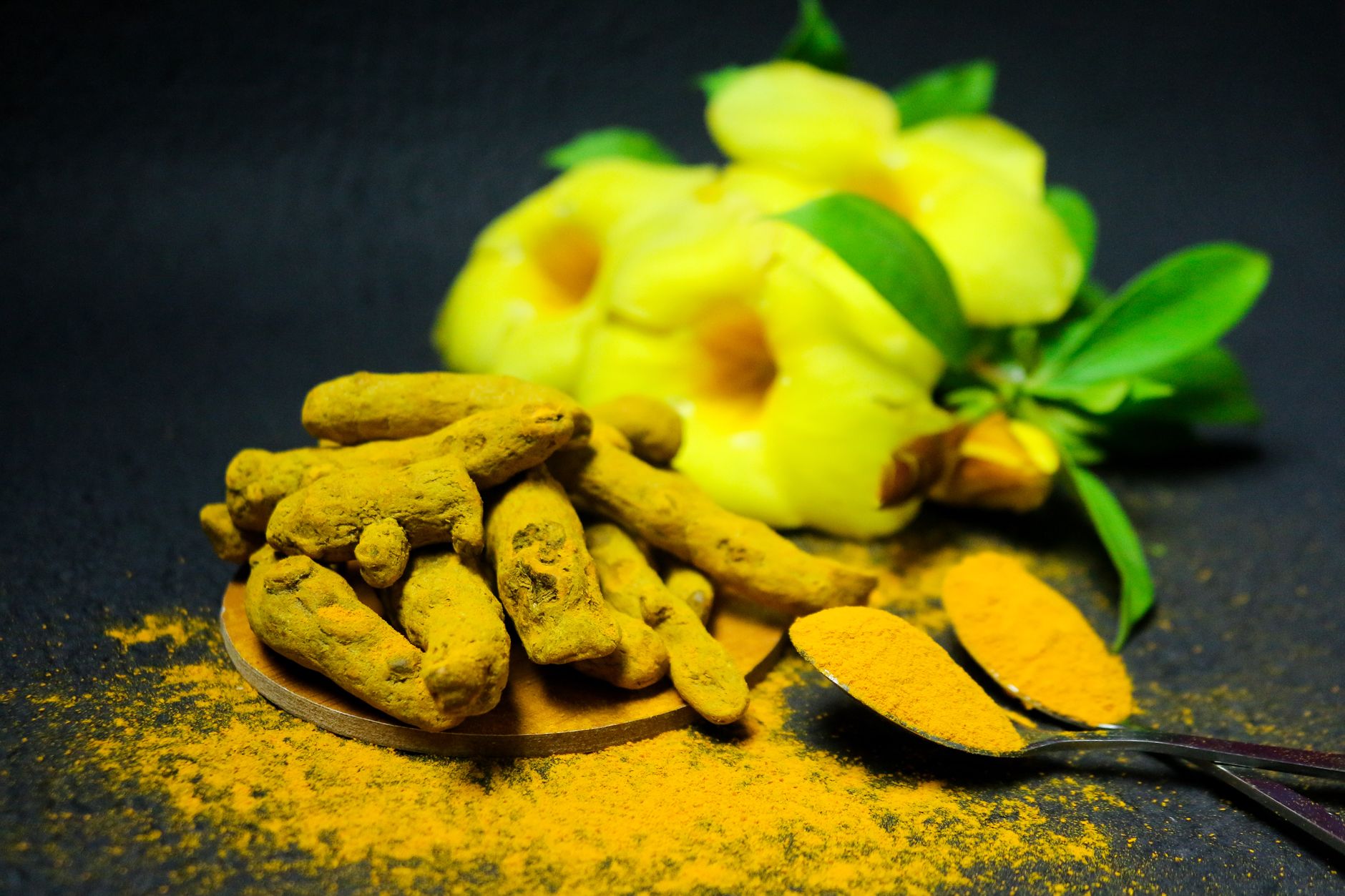
The Golden Root With a Story Worth Telling Few herbs carry as much history, reverence, and scientific curiosity as turmeric. Known botanically as Curcuma longa , this vivid golden-orange root has been used in cooking, medicine, and spiritual practice for over 4,000 years. Originally cultivated in South and Southeast Asia, turmeric became a cornerstone of Ayurvedic and Traditional Chinese Medicine long before it ever made its way into a Western kitchen or supplement bottle. Today, it's one of the most researched herbs on the planet — and the science is finally starting to confirm what ancient healers always knew. Whether you're discovering turmeric for the first time or deepening a practice you already love, this guide will walk you through everything worth knowing about this remarkable plant. What Is Turmeric Root, and Where Does It Come From? Turmeric root looks a lot like fresh ginger — knobbly, rough-skinned, and easy to overlook from the outside. Slice it open, however, and you're greeted by that unmistakable deep amber-orange interior that stains everything it touches. The plant belongs to the ginger family ( Zingiberaceae ) and thrives in warm, humid climates. India produces roughly 75% of the world's turmeric supply, and the root plays a central role in Indian cuisine, culture, and traditional healing. In Spanish-speaking countries, you'll often hear it called cúrcuma — though the phrase turmeric in Spanish can also refer to it as azafrán de la India (Indian saffron), a nod to the way its bright pigment was historically used as a dye and food colorant. The dried root is ground into turmeric powder , the golden spice most of us recognize from curry blends. But the fresh root, when available, is equally powerful and carries a slightly more complex, earthy flavor. Traditional Uses: A Herb Woven Into Daily Life Long before clinical studies, turmeric was woven into the daily rhythms of entire civilizations. In Ayurveda, it was classified as a tridoshic herb — meaning it was considered balancing for all three mind-body constitutions. Traditional healers used turmeric for a striking range of purposes: Supporting digestive health and reducing bloating Soothing inflamed or irritated skin as a topical paste Promoting wound healing and preventing infection Supporting respiratory health during colds and coughs Enhancing liver function and supporting detoxification Brightening skin tone and reducing blemishes in beauty rituals In Hindu tradition, turmeric holds deep spiritual significance. It's used in wedding ceremonies, religious offerings, and auspicious rituals — a testament to how deeply this root has been woven into the fabric of human culture. Traditional Chinese Medicine also valued turmeric for moving qi (vital energy) and relieving what practitioners described as stagnation — particularly in the digestive and circulatory systems. Turmeric Curcumin: The Science Behind the Magic The reason modern science has become so fascinated with turmeric comes down to one compound: curcumin . Curcumin is the primary active polyphenol in turmeric, responsible for most of its studied health benefits — and for that spectacular golden color. Research into turmeric curcumin has exploded over the past two decades, with thousands of published studies examining its potential. What scientists have found is genuinely exciting. Curcumin is widely recognized as a powerful anti-inflammatory compound. Chronic low-grade inflammation is now understood to be a driver behind many modern health conditions, from cardiovascular disease to metabolic dysfunction — and curcumin appears to interrupt several key inflammatory pathways at the molecular level. It's also a potent antioxidant , capable of neutralizing free radicals directly while also stimulating the body's own antioxidant enzymes. This dual action makes it particularly effective for cellular protection. Here's the catch, though: curcumin has notoriously poor bioavailability on its own. Your body doesn't absorb it easily. This is where a beloved herbal pairing comes in. Turmeric With Black Pepper: A Classic Combination If you've spent any time in the world of herbal wellness, you've likely heard that turmeric with black pepper is the combination to know. And the reason is beautifully simple. Black pepper contains an alkaloid called piperine , which has been shown in research to increase the absorption of curcumin by up to 2,000% . That's not a typo — pairing these two spices dramatically amplifies the benefits of turmeric in the body. This isn't a modern discovery. Traditional Indian cooking has combined these two spices in curries and medicinal recipes for centuries, long before anyone understood the biochemistry involved. Ancient wisdom, as it turns out, often has a scientific explanation waiting to catch up with it. When using turmeric as a wellness herb, look for formulations that include black pepper extract (often listed as piperine or BioPerine ), or simply add a generous pinch of freshly ground black pepper to your turmeric tea, golden milk, or food. Turmeric Benefits: What the Research Supports The list of studied turmeric benefits is genuinely impressive. While it's important to approach any herb with realistic expectations, the body of research surrounding this root is among the most robust of any botanical. Anti-inflammatory support is perhaps the most well-documented benefit. Studies have shown curcumin can be as effective as some over-the-counter anti-inflammatory medications for conditions involving joint discomfort — with far fewer side effects for most people. Brain health is another exciting frontier. Research suggests curcumin may support healthy levels of brain-derived neurotrophic factor (BDNF), a protein linked to memory, mood, and the growth of new neural connections. Some early research has explored its potential relevance to neurodegenerative conditions. Heart health has also been studied. Curcumin appears to improve the function of the endothelium (the lining of blood vessels), which plays a crucial role in regulating blood pressure and clotting. For digestive health , turmeric has long been used to ease bloating, support bile production, and soothe the gut lining. Modern gastroenterology has taken note, with studies exploring its role in conditions like irritable bowel syndrome. Turmeric Benefits for Men: An Often-Overlooked Conversation While turmeric's benefits are universal, turmeric benefits for men deserve a dedicated mention. This is an area of growing interest that doesn't always get the spotlight it deserves. Research has explored turmeric's potential role in supporting healthy testosterone levels, with some studies suggesting that curcumin may help protect testicular tissue from oxidative stress. It may also support prostate health, with preliminary research examining its effects on prostate cell activity. For men dealing with joint pain from physical activity or the natural aging process, turmeric's well-documented anti-inflammatory properties make it a particularly compelling natural ally. And because cardiovascular disease disproportionately affects men, turmeric's heart-supportive properties are another compelling reason to incorporate it into a daily routine. Combined with a healthy lifestyle, turmeric can be a genuinely useful addition to men's wellness practices — especially when paired with consistent use over time. How to Prepare and Enjoy Turmeric One of the most beautiful things about turmeric is how many ways there are to use it. From warming drinks to topical applications, this herb fits naturally into almost any wellness routine. Turmeric tea is one of the simplest and most popular preparations. To make a basic version, simmer one teaspoon of turmeric powder (or a few slices of fresh turmeric root) in two cups of water for ten minutes. Strain, add a pinch of black pepper, a drizzle of honey, and a squeeze of lemon. The result is warming, earthy, and deeply nourishing. Golden milk — a traditional Ayurvedic drink sometimes called haldi doodh — blends turmeric with warm milk (dairy or plant-based), black pepper, ginger, cinnamon, and a touch of sweetener. It's become a modern wellness staple for good reason: it's delicious and genuinely comforting. Turmeric powder can be added to smoothies, soups, scrambled eggs, roasted vegetables, and grain dishes. Its flavor is earthy and slightly bitter, pairing beautifully with ginger, cumin, coriander, and coconut. Topical use has a long tradition, too. A simple paste of turmeric powder mixed with honey or yogurt has been used for centuries as a face mask for brightening skin and reducing blemishes. Turmeric soap is also increasingly popular as a way to harness the herb's skin-supportive properties in a daily skincare ritual. For those who want a more concentrated therapeutic dose, turmeric curcumin supplements offer a standardized amount of the active compound, often combined with piperine for enhanced absorption. Turmeric Side Effects and Who Should Use Caution Turmeric is considered very safe for most people when used in culinary amounts or as directed in supplements. But like any potent herb, it's worth being informed about turmeric side effects and appropriate precautions. In very high doses, turmeric can cause digestive discomfort — including nausea, diarrhea, or an upset stomach — particularly in people who are sensitive. Starting with smaller amounts and gradually increasing is always a sensible approach. Because curcumin has mild blood-thinning properties, those taking anticoagulant medications like warfarin should consult their healthcare provider before using turmeric supplements regularly. The same caution applies to people with gallbladder conditions, as turmeric can stimulate bile production. Pregnant women are generally advised to stick to culinary (food-level) amounts rather than high-dose supplementation. As always, a conversation with a trusted healthcare practitioner is the best starting point if you have any specific health concerns. The key takeaway is this: turmeric is one of the most time-tested and broadly safe herbs available , with a track record spanning millennia. Thoughtful, consistent use is both the safest and most effective approach. Turmeric in Your Wellness Practice: Making It a Daily Ritual The real power of turmeric — like most herbs — comes from consistent, intentional use over time rather than occasional heroic doses. Think of it less like a quick fix and more like a daily conversation with your body. Morning golden milk can become a grounding ritual that replaces a second cup of coffee. A cup of turmeric tea in the evening can signal to your nervous system that it's time to wind down. Adding turmeric powder to your cooking becomes an effortless habit that builds over weeks and months into a meaningful wellness practice. Ayurveda teaches us that food is medicine — and turmeric is perhaps the most eloquent example of that philosophy in action. It invites us to slow down, to nourish ourselves intentionally, and to trust in the wisdom of the natural world. Pairing turmeric with other supportive herbs like ginger, ashwagandha, or holy basil can create a beautifully layered wellness routine that addresses inflammation, stress, and vitality from multiple angles. Herbalism, at its best, is always about the whole picture. Ready to Bring Turmeric Into Your Life? If this golden root has sparked your curiosity, we'd love to help you take the next step. At Societe, we're passionate about offering high-quality, thoughtfully sourced herbs that genuinely support your wellness journey — and turmeric is one of our favorites. Explore our turmeric offering and find out how easy it is to make this ancient herb a beautiful part of your everyday life at societeapothecary.com/product/turmeric/ . Your body — and your taste buds — will thank you. Three Turmeric Recipes to Try at Home Golden Turmeric Tea 1 cup of milk (dairy or plant-based) 1 tea