Turmeric Root Powder: Ancient Herbal Wisdom for Modern Wellness
Société Team
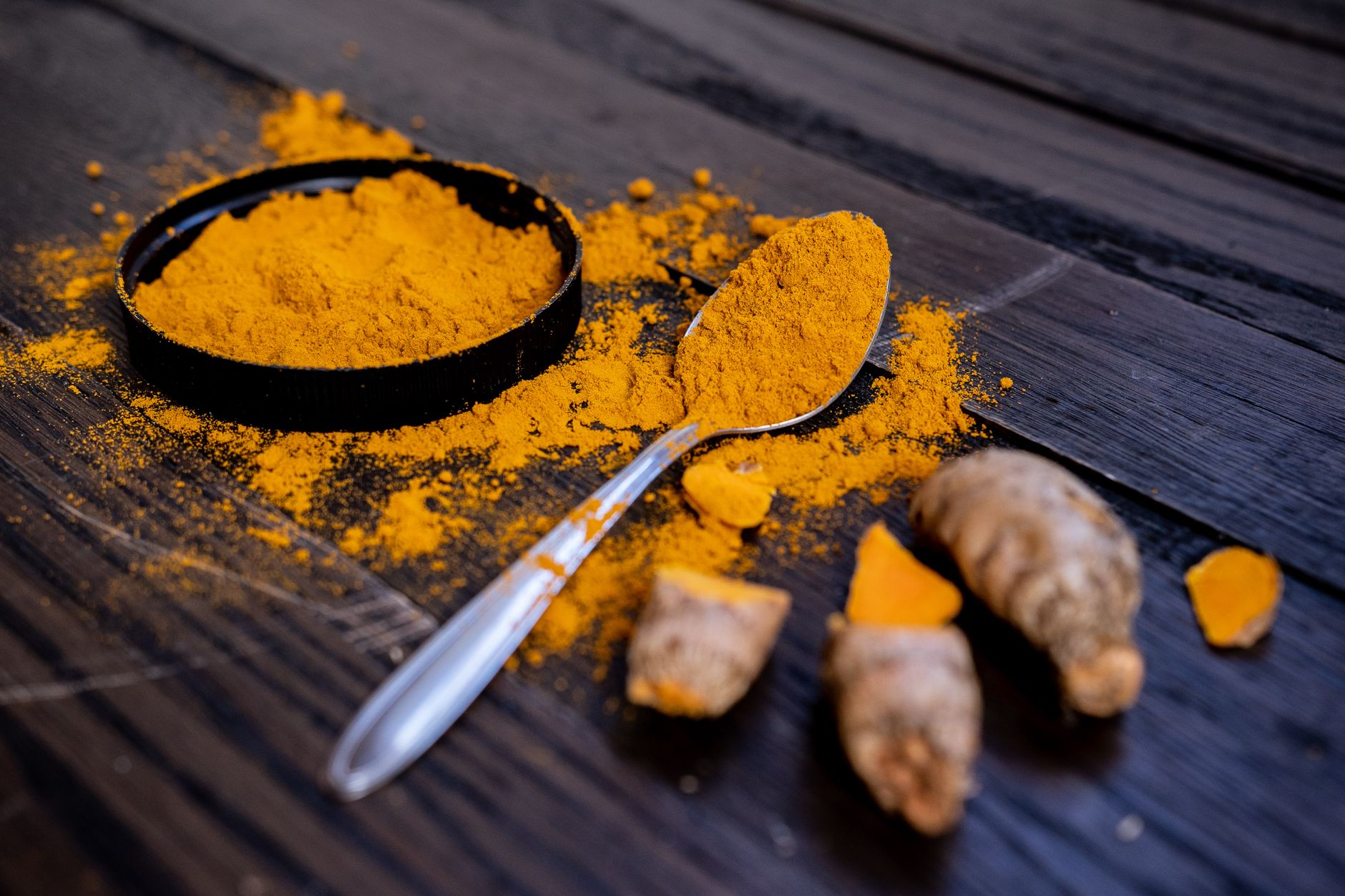
A Golden Root with Thousands of Years of Herbal Wisdom Few plants have earned a place in both the kitchen and the medicine cabinet quite like turmeric. For over 4,000 years, this vivid golden root has been revered across South and Southeast Asia as a food, a dye, a ceremonial offering, and one of the most potent healing herbs in the natural world. In Ayurvedic tradition, turmeric was considered a complete herb — capable of purifying the blood, strengthening digestion, and nourishing the spirit. It was gifted at weddings, painted on doorways during festivals, and pressed into wounds long before modern science ever named its active compounds. Today, turmeric root powder health benefits are among the most widely studied in herbal medicine. Yet the deeper layers of this plant's story — its energetics, its traditional applications, and its full spectrum of constituents — are still best understood through the lens of classical herbal wisdom. > "Turmeric is the spice of life — a golden thread woven through the fabric of Ayurvedic healing, connecting the earth beneath our feet to the light we carry within." > — Traditional Ayurvedic teaching --- MATERIA MEDICA Scientific Name: Curcuma longa Common Names: Turmeric, Golden Root, Indian Saffron, Haldi, Jiang Huang Family: Zingiberaceae (Ginger family) Parts Used: Rhizome (root), dried and powdered Taste: Bitter, pungent, slightly astringent Energy: Warming, drying Actions: Anti-inflammatory, antioxidant, hepatoprotective, carminative, antimicrobial, vulnerary, cholagogue, alterative --- Physical Description and Botanical Characteristics Turmeric is a perennial herbaceous plant that grows between two and four feet tall. Its lush, lance-shaped leaves emerge from a central pseudostem and can span up to three feet in length, giving the plant an almost tropical grandeur. The botanical characteristics that make turmeric unmistakable are found underground. Its rhizome — the part used medicinally and culinarily — is thick, fleshy, and brilliantly orange-yellow when cut. The outer skin is a pale buff or brownish color, but the interior reveals a saturated golden hue that immediately stains anything it touches. Flowers, when they appear, are pale yellow and carried on a central spike. The plant rarely sets seed in cultivation, reproducing almost entirely through division of the rhizome. This deeply rooted, generative structure reflects the plant's nature: regenerative, persistent, and deeply nourishing. --- Habitat, Harvest, and Collection Habitat Turmeric is native to the Indian subcontinent and Southeast Asia, where it thrives in warm, humid environments with well-drained, loamy soils. It is cultivated extensively in India, Bangladesh, Sri Lanka, Indonesia, and China, with India remaining the world's largest producer by a wide margin. The plant requires temperatures between 65°F and 95°F and cannot tolerate frost. It prefers partial shade and consistent moisture, often growing at elevations up to 4,000 feet in its native range. Harvest and Collection Harvest typically occurs eight to ten months after planting, when the lower leaves begin to dry and yellow. The rhizomes are carefully dug by hand to avoid bruising, then cleaned, boiled or steamed, and dried in the sun before being ground into the familiar deep amber powder. Fresh rhizomes are available in many markets and can be used directly in cooking or tea Organic turmeric root powder is produced without synthetic pesticides or chemical processing, preserving both potency and purity Properly dried and stored powder retains its curcuminoid content for up to two years --- Qualities, Energetics, and Traditional Uses Qualities In classical Ayurvedic medicine, turmeric is considered tridoshic — meaning it has a balancing effect on all three doshas (Vata, Pitta, and Kapha) when used in moderation. Its warming and drying qualities make it particularly effective for Kapha conditions involving congestion, sluggish digestion, or dampness. In Traditional Chinese Medicine, turmeric (known as Jiang Huang) is associated with the Spleen, Stomach, and Liver meridians. It is used to move qi and blood, relieve pain, and clear obstruction. Energetics The energetic properties of turmeric are those of activation and clarification. This is a plant that moves stagnation — whether in the liver, the joints, the digestive tract, or the circulation. It brings warmth to cold, damp conditions and encourages the body's natural processes of cleansing and renewal. Traditional Uses The traditional uses of turmeric span an extraordinary range: Digestive complaints including bloating, gas, and sluggish digestion Liver and gallbladder support, particularly for conditions involving bile Wound healing, skin infections, and inflammatory skin conditions Joint pain and arthritis in both Ayurvedic and folk traditions Respiratory congestion and chronic cough Menstrual irregularity and gynecological support Topical application for brightening skin tone and reducing blemishes --- Chemical Constituents and Actions Chemical Constituents Curcuminoids (curcumin, demethoxycurcumin, bisdemethoxycurcumin) — the primary bioactive compounds responsible for anti-inflammatory and antioxidant activity Volatile oils (turmerone, atlantone, zingiberene) — contribute to carminative and antimicrobial actions Polysaccharides — support immune function Resins — contribute to the plant's warming, stimulating qualities Minerals — including iron, potassium, and manganese Actions Anti-inflammatory: Curcumin modulates multiple inflammatory pathways, making turmeric root extract benefits particularly relevant for chronic inflammatory conditions Antioxidant: Neutralizes free radicals and supports the body's endogenous antioxidant defenses Hepatoprotective: Protects and supports liver cell function; stimulates bile production and flow Carminative: Relieves gas and bloating; supports healthy gut motility Vulnerary: Accelerates wound healing when applied topically Antimicrobial: Active against a range of bacteria and fungi Alterative: Gradually improves tissue nutrition and supports detoxification --- Turmeric Root Powder Uses and Modern Indications The turmeric root powder uses that modern herbalists and integrative practitioners focus on align closely with the plant's traditional profile. Research into turmeric root extract benefits continues to expand, with particular attention to its role in joint health, cardiovascular support, and metabolic function. Turmeric root extract benefits for skin are well-documented both traditionally and in contemporary practice. Applied topically or consumed internally, turmeric supports a clearer complexion, reduces redness and inflammation, and may help with conditions like acne and eczema. Turmeric root extract benefits for hair have also attracted attention — the plant's antimicrobial and anti-inflammatory properties may support scalp health and reduce dandruff when used in topical preparations. Turmeric root extract benefits for men include supporting healthy testosterone levels, reducing exercise-induced inflammation, and promoting cardiovascular health through improved endothelial function. Note: Curcumin has notably low bioavailability on its own. Combining turmeric with black pepper (which contains piperine) or a healthy fat significantly enhances absorption. This is why the classic Ayurvedic preparation of turmeric in warm milk with fat has persisted for millennia. --- Recipes: Three Ways to Use Turmeric Root Powder at Home Recipe 1 — Golden Turmeric Tea (Turmeric Root or Powder for Tea) Whether you use fresh turmeric root or powder for tea, this warming daily drink is one of the most accessible ways to experience the plant's full benefits. It is especially wonderful in cooler months or whenever the body needs gentle anti-inflammatory support. Ingredients: - 1 teaspoon organic turmeric root powder - ½ teaspoon ground ginger - ¼ teaspoon ground cinnamon - A pinch of freshly ground black pepper - 1 teaspoon raw honey (added after cooling slightly) - 2 cups water or dairy/non-dairy milk - 1 teaspoon coconut oil or ghee (optional, for absorption) Preparation: 1. Bring the water or milk to a gentle simmer in a small saucepan. 2. Whisk in turmeric, ginger, cinnamon, and black pepper. 3. Simmer on low heat for 5–7 minutes, stirring occasionally. 4. Remove from heat and stir in coconut oil or ghee if using. 5. Allow to cool slightly, then stir in honey. 6. Pour through a fine strainer into your cup and enjoy warm. --- Recipe 2 — Turmeric Honey Paste (Golden Paste for Daily Use) This simple preparation is a classic in Ayurvedic practice. The resulting paste can be taken by the teaspoon, stirred into warm drinks, spread on toast, or blended into smoothies. It keeps well in the refrigerator and makes daily use effortless. Ingredients: - ¼ cup organic turmeric root powder - ½ cup raw honey - ¼ teaspoon freshly ground black pepper - 2 tablespoons coconut oil or ghee, gently melted - ½ teaspoon ground ginger (optional) Preparation: 1. Combine all ingredients in a small bowl or jar. 2. Stir thoroughly until a smooth, uniform paste forms. 3. Transfer to a clean glass jar with a tight-fitting lid. 4. Store in the refrigerator for up to four weeks. 5. Take ½ to 1 teaspoon daily, stirred into warm water, tea, or eaten directly. --- Recipe 3 — Brightening Turmeric Face Mask (Topical Skin Preparation) Drawing on centuries of tradition in South Asian beauty and healing practices, this gentle face mask harnesses turmeric root extract benefits for skin. It helps even skin tone, reduce redness, and leave the complexion with a natural luminosity. Ingredients: - 1 teaspoon organic turmeric root powder - 2 tablespoons plain full-fat yogurt (or coconut cream for a vegan option) - 1 teaspoon raw honey - A few drops of rosehip or jojoba oil (optional for dry skin) Preparation: 1. Mix all ingredients together in a small bowl until smooth and evenly combined. 2. Apply a thin, even layer to clean, dry skin, avoiding the eye area. 3. Leave on for 10–15 minutes. 4. Rinse thoroughly with warm water and a soft cloth. 5. Follow with your usual moisturizer. 6. Use 1–2 times per week. Note: turmeric may temporarily stain very fair skin — test on a small area first. --- Discover Turmeric Root Powder from Societe If you're ready to bring this golden herb into your daily wellness practice, Societe offers a beautiful, high-quality organic turmeric root powder sourced with care and integrity. Whether you're brewing a nourishing golden tea, crafting your own herbal preparations, or exploring the full range of turmeric root powder health benefits, you'll find everything you need at societeapothecary.com/product/turmeric-root-powder/ . We'd love to be part of your herbal journey.