Turmeric Root Chips: Ancient Herbal Wisdom in Every Golden Slice
Société Team
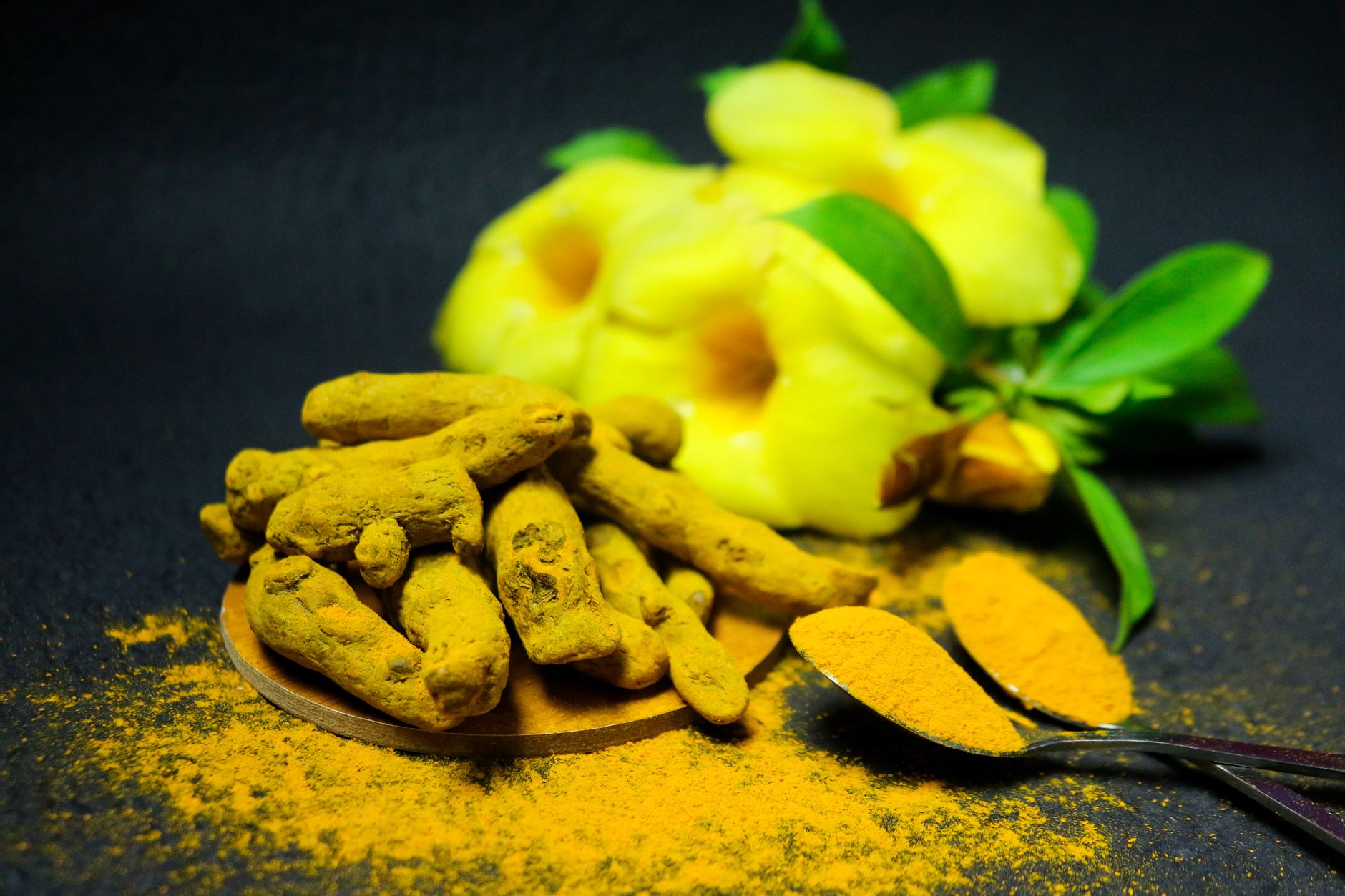
Few herbs carry the weight of history quite like turmeric. Used for thousands of years across Ayurvedic, Traditional Chinese, and Southeast Asian healing traditions, this vivid golden root has earned its place as one of the most revered medicinal plants on earth. Turmeric root chips — the dried, sliced form of the whole root — preserve the full spectrum of the plant's constituents in a form that is versatile, shelf-stable, and deeply connected to the whole-plant herbal tradition. Understanding what turmeric roots truly are, and what to do with them, opens a doorway into some of the most time-honored herbal wisdom humanity has to offer. --- > "Let food be thy medicine and medicine be thy food." — A principle echoed across every healing tradition that has ever embraced the turmeric root. --- MATERIA MEDICA: Know Your Golden Root Scientific Name: Curcuma longa Common Names: Turmeric, Indian Saffron, Golden Root, Haldi, Jiang Huang Family: Zingiberaceae (the Ginger family) Parts Used: Rhizome (root), dried and sliced into chips Taste: Pungent, bitter, slightly astringent, with a warm, earthy depth Energy: Warming, drying Actions: - Anti-inflammatory - Antioxidant - Hepatoprotective (liver protective) - Carminative - Antimicrobial - Cholagogue (stimulates bile flow) - Alterative (blood-purifying) - Analgesic - Immunomodulating Chemical Constituents: - Curcuminoids (curcumin, bisdemethoxycurcumin, demethoxycurcumin) - Volatile oils (turmerone, atlantone, zingiberene) - Polysaccharides - Resins - Protein - Vitamins C, E, and B-complex - Minerals: iron, potassium, manganese --- Physical Description and Botanical Characteristics The botanical characteristics of turmeric are as distinctive as its flavor. The plant grows to about three feet tall, with broad, lance-shaped leaves that emerge from pseudostems formed by overlapping leaf sheaths. The rhizome — the part we use — is knobby and branching, resembling ginger root but smaller and more compact. When you slice through it fresh, you encounter that unmistakable deep orange-yellow flesh, almost luminous in its intensity. Turmeric root chips are simply thin cross-sections of this rhizome, dried at low temperatures to preserve their volatile oils and curcuminoid content. The drying process concentrates the constituents while creating a convenient, long-lasting form of the herb. --- Habitat, Harvest, and Collection Turmeric is native to South and Southeast Asia, thriving in hot, humid climates with well-drained, loamy soils. It is now cultivated widely across India, Indonesia, Bangladesh, and parts of Africa and the Caribbean. The plant requires a frost-free growing season of roughly eight to ten months. It is typically harvested when the lower leaves begin to dry and yellow — a signal that the rhizomes have reached full maturity. Harvest and collection practices worth knowing: Rhizomes are dug by hand or with minimal machinery to avoid bruising Fresh roots are cleaned, boiled or steamed briefly, then sliced and sun-dried or kiln-dried Quality chips should be firm, deeply colored, and fragrant — indicating minimal oxidation Store dried turmeric root chips in an airtight container away from light and heat to preserve potency When sourcing turmeric root chips for herbal use, whole dried chips are preferable to pre-ground powder because the intact cell structure slows oxidation and better preserves the volatile oil content. --- Traditional Uses and Energetic Properties In Ayurveda, turmeric is considered tridoshic — meaning it has the rare quality of balancing all three doshas (Vata, Pitta, and Kapha) in appropriate doses. It has been used for millennia to support digestion, purify the blood, and ease joint discomfort. In Traditional Chinese Medicine, turmeric root (known as Jiang Huang ) is classified as a herb that moves Qi and invigorates Blood, making it particularly useful for conditions involving stagnation, pain, and congestion. The traditional uses of turmeric root chips span an impressive range: Supporting healthy inflammatory response in muscles and joints Promoting liver health and healthy bile flow Aiding digestion and reducing gas and bloating Brightening and clarifying the complexion when used topically Supporting immune resilience during seasonal transitions Nourishing cognitive function and mental clarity The energetic properties of turmeric are unmistakably warming and moving. It is a root that stirs things up, clears what is stagnant, and brings circulation and vitality to sluggish tissues. This warming nature means turmeric pairs beautifully with cooling herbs like mint or coriander for those who run warm, and it shines on its own or with other warming herbs like ginger and black pepper for those who run cold or sluggish. --- Indications: When to Reach for Turmeric Root Chips Turmeric root chips are particularly well-suited to the following situations and wellness goals: Joint and muscle discomfort — especially chronic, low-grade inflammation Sluggish digestion — including bloating, gas, and indigestion after rich meals Liver support — particularly during periods of dietary excess or seasonal cleansing Skin health — both internally and topically for dull, congested complexions Immune support — during cold and flu season or periods of lowered vitality Post-exercise recovery — supporting the body's natural repair processes Mental fog and low energy — turmeric's circulation-enhancing actions support brain function It is worth noting that turmeric's curcuminoids are fat-soluble and their absorption is significantly enhanced by both fat (such as coconut milk or olive oil) and piperine , a compound found in black pepper. Combining turmeric with these co-factors in recipes dramatically increases its bioavailability. --- Three Recipes: How to Use Turmeric Root Chips at Home Now that you understand what turmeric roots are and what makes them so valuable, let's get practical. Here are three distinct ways to bring turmeric root chips into your everyday life. --- Recipe 1: Golden Root Decoction Tea A decoction is the ideal method for hard, woody plant parts like root chips. Simmering the chips extracts their curcuminoids, volatile oils, and minerals far more effectively than a simple steep. Ingredients: 1 tablespoon turmeric root chips 2 cups filtered water 1/4 teaspoon freshly cracked black pepper 1 teaspoon coconut oil or ghee Raw honey or maple syrup to taste (optional) Pinch of ground cinnamon (optional) Preparation: 1. Add turmeric root chips and water to a small saucepan. 2. Bring to a gentle boil, then reduce heat and simmer uncovered for 20 minutes. 3. Remove from heat and allow to cool slightly for 5 minutes. 4. Strain into a mug, pressing chips gently to extract remaining liquid. 5. Stir in black pepper, coconut oil or ghee, and sweetener if desired. 6. Sip warm. This tea can be enjoyed once or twice daily. The fat and black pepper in this recipe are intentional — they dramatically improve curcumin absorption in the body. --- Recipe 2: Turmeric Root Honey — A Simple Infused Syrup This preparation is an ancient method of preserving both the herb and the medicine. Infused honey is shelf-stable, delicious, and incredibly versatile — stir it into teas, spread it on toast, or take it by the spoonful. Ingredients: 1/2 cup turmeric root chips, roughly broken or crushed 1 cup raw, local honey 1/4 teaspoon black pepper (whole peppercorns or ground) Optional: 1 tablespoon dried ginger root chips for extra warmth Preparation: 1. Place turmeric root chips (and ginger if using) in a clean, dry glass jar. 2. Add black pepper to the jar. 3. Pour raw honey over the herbs, ensuring all pieces are fully submerged. 4. Seal the jar and place in a warm spot (such as near a sunny window or on top of the refrigerator). 5. Allow to infuse for 2 to 4 weeks, turning the jar upside down and back daily to redistribute the honey. 6. After infusion, you may strain out the chips or leave them in — the chips continue to infuse and can be eaten. 7. Use 1 teaspoon as needed in teas, warm water, or directly off the spoon. Shelf life is approximately one year at room temperature. Refrigeration is not required due to honey's natural preservative properties. --- Recipe 3: Golden Spice Paste (Turmeric Chips Recipe for the Kitchen) This culinary preparation — inspired by traditional lula pastes used across Southeast Asia — transforms turmeric root chips into a powerhouse kitchen staple. Use it in soups, stews, scrambled eggs, roasted vegetables, or golden milk lattes. Ingredients: 1/2 cup turmeric root chips 1/4 cup filtered water (plus more as needed) 2 tablespoons coconut oil 1/2 teaspoon black pepper 1/2 teaspoon ground ginger 1/4 teaspoon sea salt Preparation: 1. Place turmeric root chips in a high-speed blender or food processor. 2. Add water and blend on high until a rough paste begins to form, scraping down sides as needed. 3. Add coconut oil, black pepper, ginger, and salt. 4. Continue blending, adding water one tablespoon at a time, until a smooth, thick paste forms. 5. Transfer to a small glass jar and store in the refrigerator for up to two weeks, or freeze in ice cube trays for up to three months. 6. Use 1/2 to 1 teaspoon of paste per serving in cooking or stir into warm coconut milk for a golden latte. This paste is a beautiful way to honor how to use root turmeric in everyday cooking — it integrates seamlessly into meals without feeling like you are taking medicine. --- Bringing It All Together: A Daily Practice with Golden Root One of the most powerful aspects of whole-herb practice is consistency. Turmeric root chips are not a quick fix — they are an invitation into a daily relationship with one of the most studied and celebrated herbs in the world. Whether you are simmering a morning decoction, stirring golden paste into your evening soup, or drizzling turmeric honey into your afternoon tea, you are participating in a tradition of herbal wisdom that stretches back thousands of years. The key to working with how to use root turmeric effectively is patience, consistency, and pairing. Fat and black pepper are your allies. Daily use over weeks and months is where the real magic unfolds. --- Discover Turmeric Root Chips from Societe If you are ready to bring this golden root into your home apothecary, Societe offers high-quality turmeric root chips sourced with care and respect for the whole-plant tradition. Visit societeapothecary.com/product/turmeric-root-chips/ to explore what Societe has available and find the right form for your practice. We would love to be part of your wellness journey — explore the full collection at societeapothecary.com and let the golden root work its time-honored magic in your life.