Tribulus Terrestris: The Ancient Herb That's Redefining Modern Wellness
Société Team
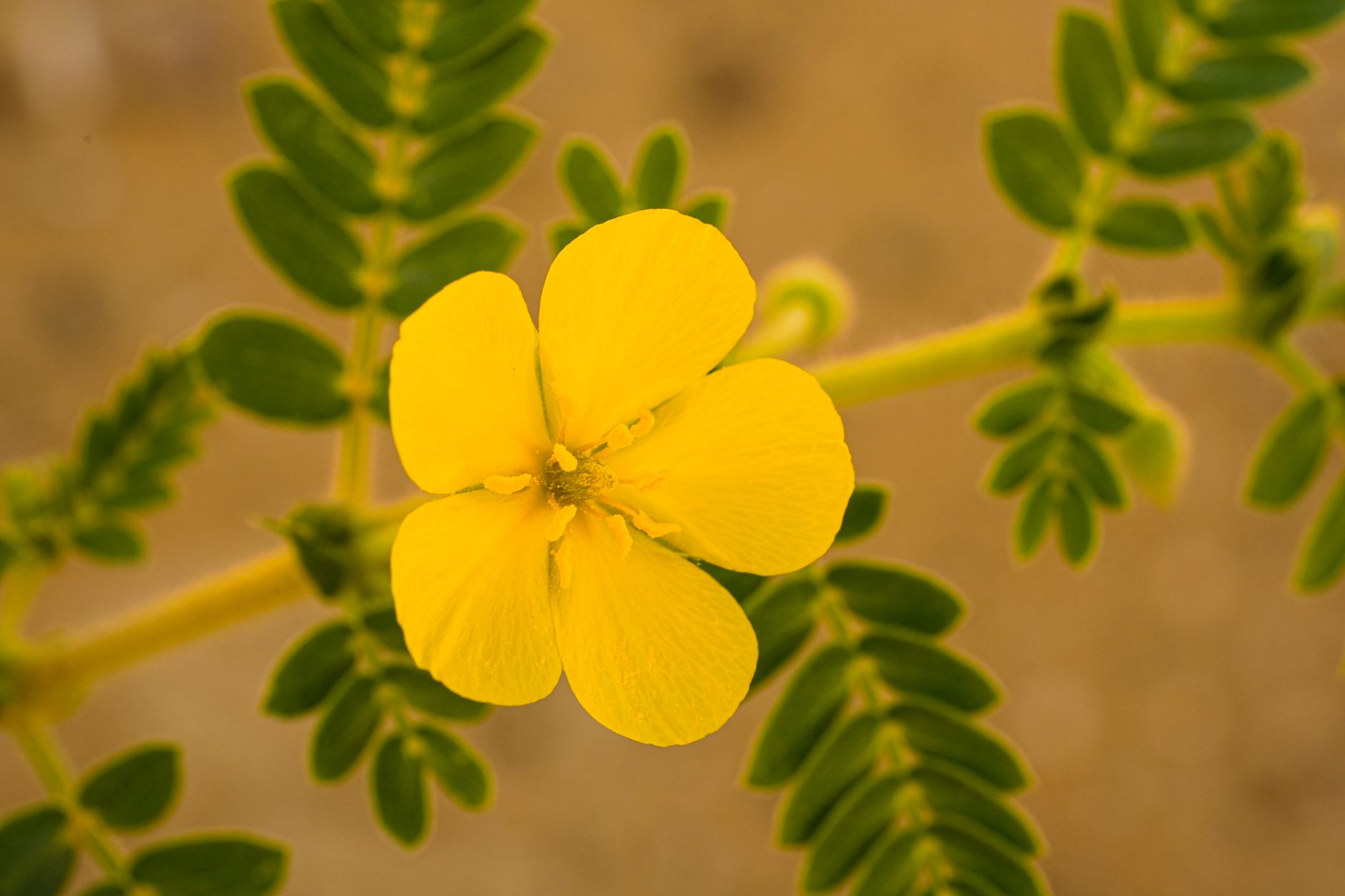
What Is Tribulus Terrestris? Tribulus terrestris is a small, flowering plant that grows in dry, sandy climates across the Mediterranean, Asia, Africa, and parts of Australia. It belongs to the family Zygophyllaceae, and its name — which loosely translates to "land caltrops" — refers to the spiky, seed-bearing fruits the plant produces. Despite its humble, almost scrubby appearance, this plant carries a remarkable legacy. For thousands of years, traditional healers on multiple continents have turned to tribulus as a go-to herb for vitality, stamina, and reproductive wellness. Today, tribulus terrestris extract is one of the most popular herbal supplements on the market, studied extensively for its wide-ranging health benefits. Whether you're drawn to its ancient roots or its modern scientific profile, this herb has plenty to offer. A Rich History Rooted in Ancient Tradition The story of tribulus begins in the ancient healing traditions of India and China, where it has been used for well over two thousand years. In Ayurvedic medicine , tribulus is known as Gokshura — a name meaning "cow's hoof" — and it was revered as a rasayana herb, meaning a substance believed to promote longevity, rejuvenate the body, and support overall vitality. Ayurvedic practitioners prescribed gokshura for urinary health, kidney function, reproductive vitality, and as a general tonic to strengthen and nourish the body. It was considered a premier herb for supporting masculine energy — known in Sanskrit as ojas — but was also widely used by women for hormonal balance and reproductive support. In Traditional Chinese Medicine (TCM) , tribulus was incorporated into formulas for liver support, improving vision, and calming what practitioners described as excess liver yang energy — a state associated with irritability, headaches, and tension. Meanwhile, in parts of Eastern Europe and the Balkans , tribulus has long been consumed as a folk remedy for male vitality and as a general tonic. It was here, in Bulgaria during the 1970s and 1980s, that tribulus first attracted the attention of modern sports science — reportedly used by athletes to naturally support performance and recovery. This cross-cultural legacy of use is remarkable. When multiple healing traditions, separated by thousands of miles and centuries of time, arrive at the same herbal solution independently, it speaks volumes about the plant's real-world potency. The Science Behind Tribulus Benefits So what does modern research actually tell us about tribulus benefits? The primary bioactive compounds responsible for tribulus's effects are steroidal saponins — particularly a group called protodioscin, dioscin, and tribulosin. These plant chemicals interact with the body in meaningful and measurable ways. Here's a closer look at the key areas where tribulus terrestris benefits have been studied: Hormonal Support: Protodioscin, the most studied saponin in tribulus, is believed to support healthy testosterone levels by stimulating the release of luteinizing hormone (LH) from the pituitary gland. Healthy LH levels signal the body to produce more testosterone naturally — making tribulus particularly relevant for men experiencing age-related hormonal shifts. Libido and Sexual Wellness: Multiple studies have examined tribulus for its effects on libido in both men and women. Research suggests it may help improve sexual desire and satisfaction, with one notable study demonstrating increased libido scores in women experiencing low sexual function. Athletic Performance and Recovery: The tribulus supplement became enormously popular in fitness communities for its potential to support lean muscle development, endurance, and recovery. While results in healthy, high-performing athletes are mixed, those with hormonal deficiencies appear to see more meaningful benefits. Urinary Tract and Kidney Health: Staying true to its Ayurvedic roots, tribulus has shown promise in supporting urinary flow and kidney function. It may act as a mild diuretic and help reduce the formation of kidney stones in some individuals. Cardiovascular Health: Emerging research points to potential cardioprotective properties in tribulus, with some studies suggesting it may help support healthy blood pressure and cholesterol levels. Mood and Stress Resilience: Tribulus has been explored as an adaptogenic herb — one that helps the body adapt to physical and emotional stress more effectively. It's worth noting that the quality and concentration of the extract matters enormously . Tribulus terrestris extract standardized to a high percentage of saponins — ideally 45% or higher — is what researchers typically use in clinical studies, and it's what you should look for when choosing a supplement. Tribulus Terrestris Benefits for Men: A Closer Look While tribulus benefits extend to people of all genders, tribulus terrestris benefits for men have received the most scientific and cultural attention — and for understandable reasons. Testosterone is a cornerstone hormone for male health. It influences energy levels, body composition, mood, libido, cognitive sharpness, and cardiovascular health. After the age of 30, testosterone levels naturally begin to decline at a rate of roughly 1-2% per year. This is where tribulus for men has garnered so much interest. By potentially supporting the body's natural hormone-signaling pathways, tribulus terrestris for men may help offset some of the gradual changes associated with aging — without the risks associated with exogenous hormone use. In one well-cited study, men with mild-to-moderate erectile dysfunction who took a tribulus supplement for 90 days showed significant improvements in sexual function scores compared to the placebo group. Other research has pointed to improvements in sperm motility and count, suggesting a potential role in male fertility support. Beyond hormones, tribulus is also valued by active men for its potential to support stamina, reduce post-exercise muscle damage, and promote a faster recovery after intense training sessions. Many men report feeling more energized, focused, and physically capable when incorporating a high-quality tribulus terrestris supplement into their daily wellness routine. That said, tribulus is not a magic bullet — it works best as part of a broader lifestyle that includes good nutrition, regular movement, quality sleep, and stress management. How to Prepare and Use Tribulus One of the beauties of tribulus is its versatility. Depending on your preference and wellness goals, there are several ways to incorporate this herb into your daily practice. Capsule or Tablet Form: This is by far the most common and convenient method. Look for a tribulus terrestris supplement that is standardized to contain a specific percentage of steroidal saponins (at least 40-45%). Typical doses used in research range from 250 mg to 1,500 mg per day, often divided into two or three smaller doses taken with meals. Tribulus Terrestris Extract (Liquid or Powder): Liquid extracts and powders offer flexible dosing and can be stirred into smoothies, warm water, herbal teas, or other beverages. This can be a lovely way to work the herb into an existing morning ritual — think of it as an intentional, nourishing addition to your wellness routine rather than just another pill. Traditional Decoction: In Ayurvedic practice, the dried fruits, roots, or leaves of tribulus were often simmered in water to make a decoction — a strong, concentrated herbal tea. While less common today, this method honors the herb's ancient roots and allows you to connect with the plant in its more natural, minimally processed form. Timing and Cycling: Many herbalists and practitioners suggest cycling tribulus — taking it for eight to twelve weeks, then taking a break of two to four weeks before resuming. This approach is thought to prevent the body from adapting to the herb and to maintain its effectiveness over time. Tribulus in a Holistic Wellness Practice At its heart, tribulus is an herb that speaks to wholeness. Its traditional use across Ayurveda, TCM, and European folk medicine wasn't narrowly focused on one symptom or system — it was appreciated as a tonic that supports the entire person. In modern wellness culture, we're beginning to rediscover the wisdom of this holistic perspective. Adaptogens and tonic herbs like tribulus are most powerful not when used in isolation but when woven into an intentional lifestyle. Paired with ashwagandha for stress resilience, with maca for hormonal harmony, or with saw palmetto for prostate health, tribulus becomes part of a thoughtfully curated herbal protocol. Many practitioners combine these herbs under the guidance of a naturopath or functional medicine doctor to achieve synergistic, personalized results. Women, too, are increasingly exploring tribulus for its potential to support libido, hormonal balance during perimenopause, and overall vitality. The herb's saponins appear to interact with estrogen pathways as well as androgen pathways, giving it a nuanced role in female wellness that traditional healers recognized long before modern endocrinology could explain it. Safety, Considerations, and Who Should Use Caution Tribulus terrestris is generally considered safe for most healthy adults when used at recommended doses for reasonable periods. It has a long history of human use and a favorable safety profile in most clinical studies. That said, there are some important considerations to keep in mind: Pregnant or breastfeeding women should avoid tribulus, as its effects on fetal development have not been studied. People with hormone-sensitive conditions — such as certain cancers, endometriosis, or polycystic ovary syndrome — should consult a healthcare provider before use. Tribulus may interact with diabetes medications and blood pressure drugs , so those on such medications should seek medical guidance. Some individuals report mild digestive discomfort, particularly at higher doses. Taking tribulus with food usually resolves this. As with all herbal supplements, quality sourcing matters tremendously . The tribulus supplement market is crowded, and not all products are created equal. Choosing a reputable brand that provides third-party testing, transparent ingredient sourcing, and clear standardization information makes a meaningful difference in both safety and effectiveness. Discover Tribulus at Societe If you're ready to explore this time-honored herb for yourself, Societe has made it wonderfully simple. You can find a thoughtfully sourced, high-quality tribulus supplement at societeapothecary.com/product/tribulus/ — crafted with the care and intention that every wellness journey deserves. At Societe, the philosophy is rooted in honoring both ancient herbal wisdom and modern quality standards, so you can feel confident in what you're bringing into your body and your life. We'd love to support you on your path to vitality — explore our tribulus offering and see how this remarkable plant might become a meaningful part of your daily wellness ritual. Three Tribulus Terrestris Recipes to Try at Home Tribulus Herbal Tea 1 teaspoon dried Tribulus terrestris leaves 1 cup boiling water Honey or lemon (optional) Place the dried Tribulus terrestris leaves in a mug. Pour boiling water over the leaves, allowing them to steep for 10-15 minutes. Strain the tea into another cup, removing the leaves. Add honey or lemon to taste, if desired. Enjoy this soothing tea warm. Tribulus Energy-Boosting Smoothie 1 teaspoon Tribulus terrestris powder 1 banana 1 cup almond milk 1 tablespoon almond butter 1 teaspoon honey A handful of spinach Add all ingredients to a blender. Blend on high until smooth and creamy. Pour into a glass and enjoy this energizing blend as a morning or afternoon pick-me-up. Tribulus Tincture 1 cup dried Tribulus terrestris fruit 2 cups vodka or brandy Place the dried Tribulus fruit in a clean glass jar. Pour vodka or brandy over