The Concentrated Power of Herbal Tinctures: A Guide to Dosage and Benefits
Société Apothecary
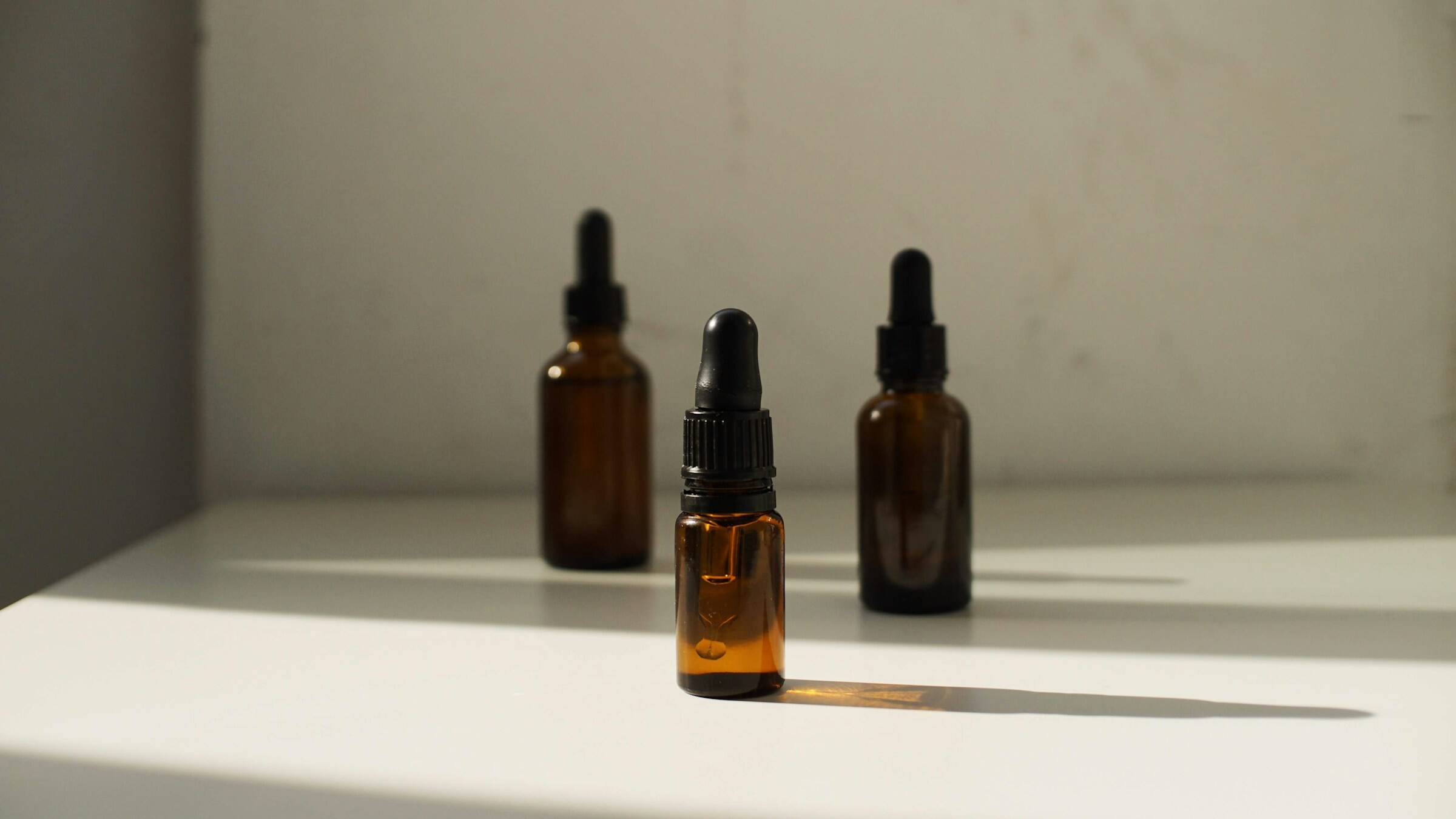
When it comes to herbal remedies, tinctures are often at the forefront of natural wellness. Unlike their herbal tea counterparts, tinctures are potent extracts that deliver the essence of herbs in a concentrated form. For those seeking the therapeutic benefits of herbs, understanding the proper use and dosage of tinctures can be the key to effective relief and health enhancement. The Potency of Herbal Tinctures Tinctures are made by steeping herbs in a solution of alcohol or another solvent for several weeks. This process extracts the active compounds from the herbs, resulting in a liquid that’s far more concentrated than what you’d get from a tea. Because of their concentration, tinctures are typically taken in smaller amounts, measured in milliliters or drops, compared to the cups of water used for herbal teas. Determining the Right Dosage The general guideline for tincture dosage is about 1-2 milliliters, which is roughly equivalent to 20-40 drops. This is considered to be approximately the same as the benefits you might receive from drinking one cup of herbal tea. That said, several factors influence how much you should actually take. These include: The concentration of the tincture The potency of the herbs used The desired therapeutic effect Individual health considerations Interactions with other medications Given these variables, it’s crucial to refer to the dosage instructions provided with your tincture. These recommendations are based on the specific herb's potency and the tincture's concentration. Furthermore, consulting with a healthcare professional, especially if you have preexisting medical conditions or are on medication, is essential for personalized advice tailored to your health needs. Understanding Dropper Measurements When measuring your tincture dosage, droppers are the most common tool. A standard dropper typically holds about 20 drops when full. It’s important to note, however, that this is an estimate. The actual number can vary based on the dropper's design and the viscosity of the liquid. Consistency is key to proper dosage, but droppers may not always deliver the exact same amount with each use. To mitigate this, aim to be as consistent as possible in how you fill and dispense the dropper. For more precise measurements, you may consider using a milliliter measuring tool, which can often be found at pharmacies. The Benefits of Precision Taking the right amount of an herbal tincture can make a significant difference in its effectiveness. Just as with any medicine or supplement, precision ensures that you receive the intended benefits without the risk of unwanted side effects. Herbal tinctures offer a powerful way to tap into the healing properties of plants. They provide a convenience and potency that herbal teas can't match, making them a valuable addition to your wellness routine. Remember, the key to successfully using tinctures lies in respecting their potency, adhering to recommended dosages, and consulting with healthcare professionals as needed. With these guidelines in mind, you can safely explore the robust world of herbal extracts and their many benefits. Société has many teas in tinctures that would love: enjoy the benefits of our tinctures today! Three Herbal Tincture Recipes to Try at Home Classic Echinacea Tincture Fresh echinacea root, chopped 80-proof vodka or brandy Glass jar with lid Fill a glass jar halfway with chopped echinacea root. Pour vodka or brandy over the root until the jar is full, ensuring the root is completely covered. Seal the jar and store it in a cool, dark place for 4-6 weeks, shaking it gently every few days. Strain the liquid through a fine mesh strainer or cheesecloth into a clean bottle and label it. Echinacea-Infused Honey Syrup 1 cup dried echinacea flowers 2 cups water 1 cup raw honey Combine echinacea flowers and water in a saucepan and bring to a gentle simmer. Reduce heat and let it simmer until reduced by half, about 30 minutes. Strain the mixture, discarding the flowers, and return the liquid to the pan. Stir in the honey until fully dissolved, then pour into a sterilized jar and label. Soothing Echinacea Tea 1 tablespoon dried echinacea leaves and flowers 1 cup boiling water Honey or lemon (optional) Place echinacea leaves and flowers into a tea infuser. Steep in boiling water for 10 minutes. Remove the infuser and sweeten with honey or lemon if desired, then enjoy. Always consult a qualified herbal practitioner before adding new tinctures to your routine.