The Best Essential Oils for Stretch Marks: A Natural Approach to Skin Healing
Société Apothecary
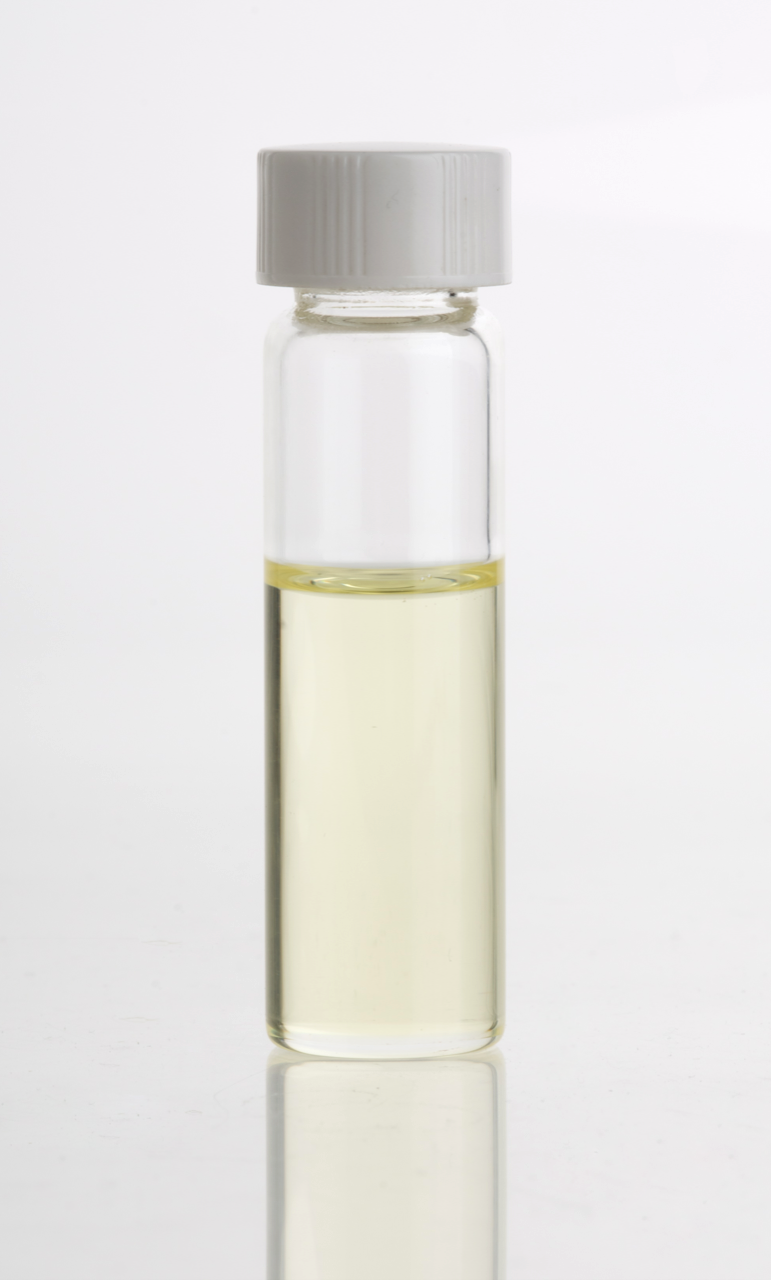
Stretch marks are a normal part of life—whether from pregnancy, growth, weight changes, or hormonal shifts—but that doesn’t mean we can’t support the skin as it stretches, heals, and regenerates. At Société Apothecary, we formulate with a blend of essential oils and carrier oils that are not only deeply effective but also accessible and sustainable. When crafting our body oils and balms, especially those intended to help with scars, elasticity, and stretch marks, we carefully select ingredients that bring value and results. Let’s start with the essential oils. One of the most revered in the skin-healing category is helichrysum (Helichrysum italicum) , a golden flower known as “immortelle” for its regenerative magic. Rich in diketones and anti-inflammatory compounds, helichrysum supports tissue repair and reduces scar visibility. It’s often used in high-end skincare for wound healing and collagen support. When blended with rosehip seed oil, a carrier oil known for its vitamin A and C content, helichrysum becomes a powerhouse for stretch mark treatment. Next up is frankincense (Boswellia carterii) , a sacred resin with centuries of skin-healing use. This essential oil encourages new skin cell growth, tightens and tones the skin, and reduces the appearance of scarring. It pairs beautifully with jojoba oil for a nourishing, easily absorbed treatment that can be used daily. At Société, we also include frankincense in our stretch mark formulations because of its cell-renewing power. While it is one of the more expensive oils, we use it strategically—blending it with other complementary oils to maintain effectiveness without increasing cost unnecessarily. Lavender (Lavandula angustifolia) is another standout, thanks to its soothing, anti-inflammatory, and skin-repairing properties. It’s gentle enough for sensitive skin and enhances the effects of other oils in a blend. Lavender can reduce inflammation and calm redness, making it an ideal option for newer, red or purple stretch marks. We also love geranium (Pelargonium graveolens) for its skin-balancing properties. It helps regulate sebum, tightens the skin, supports circulation, and promotes healing. Geranium is both effective and affordable—two qualities we value highly at Société. We blend it into our formulas because it provides impressive skin benefits while keeping our products accessible for everyday use. Mandarin (Citrus reticulata) essential oil is another ingredient we reach for. It’s one of the gentlest citrus oils—non-phototoxic when properly diluted—and a go-to for improving skin tone and elasticity. It adds a bright, cheerful scent while quietly encouraging collagen production. Unlike more expensive citrus oils like neroli, mandarin offers a cost-effective and safe solution, especially for sensitive skin and prenatal care. When it comes to the base oils—the carriers—we select for both function and affordability. Wheat germ oil is one of our foundational ingredients. It’s rich in natural vitamin E and supports deep healing, scar reduction, and elasticity. Though it’s thick, it provides long-lasting moisture and even acts as a natural preservative due to its antioxidant profile. To balance its texture, we blend it with lighter oils like apricot kernel and grapeseed . Apricot kernel oil is incredibly gentle, nourishing, and suitable for sensitive or dry skin. It helps essential oils absorb deeply and contributes to soft, supple skin. Grapeseed oil , on the other hand, is light and high in linoleic acid—making it ideal for those with oilier skin types or anyone who wants a fast-absorbing finish. Both oils are affordable, easy to source, and highly effective. Of course, essential oils are only part of the story. What you use to dilute them matters just as much. Rosehip seed oil is a top carrier oil for stretch marks, thanks to its high levels of vitamins A and C, which are essential for skin regeneration. Tamanu oil is another excellent option—it’s a thick, green oil from Polynesia known for its wound healing and scar-fading properties. Shea butter provides deep hydration and supports elasticity, while jojoba oil closely mimics your skin’s natural oils for fast absorption. As always, a few precautions are necessary. Essential oils are highly concentrated and should never be applied directly to the skin without dilution. Always perform a patch test to check for sensitivity, and consult your healthcare provider before using essential oils if you are pregnant, breastfeeding, or have a medical condition. Oils like helichrysum and carrot seed are especially potent, and some citrus oils may be phototoxic—meaning they can cause sun sensitivity if applied before sun exposure. Consistency is key. While essential oils aren’t an overnight fix, with regular use, they can visibly improve skin tone, elasticity, and the overall appearance of stretch marks. Think of it as a ritual—an act of care for your body, a reminder of the beauty of growth, change, and resilience. Stretch marks tell a story. These oils help support your skin along the way. At Société Apothecary, we believe plant-based rituals should be beautiful, effective, and within reach. Check out our Stretch Mark Oil.