Stevia Leaf Powder: The Sweet Herb of Ancient Wisdom and Modern Wellness
Société Team
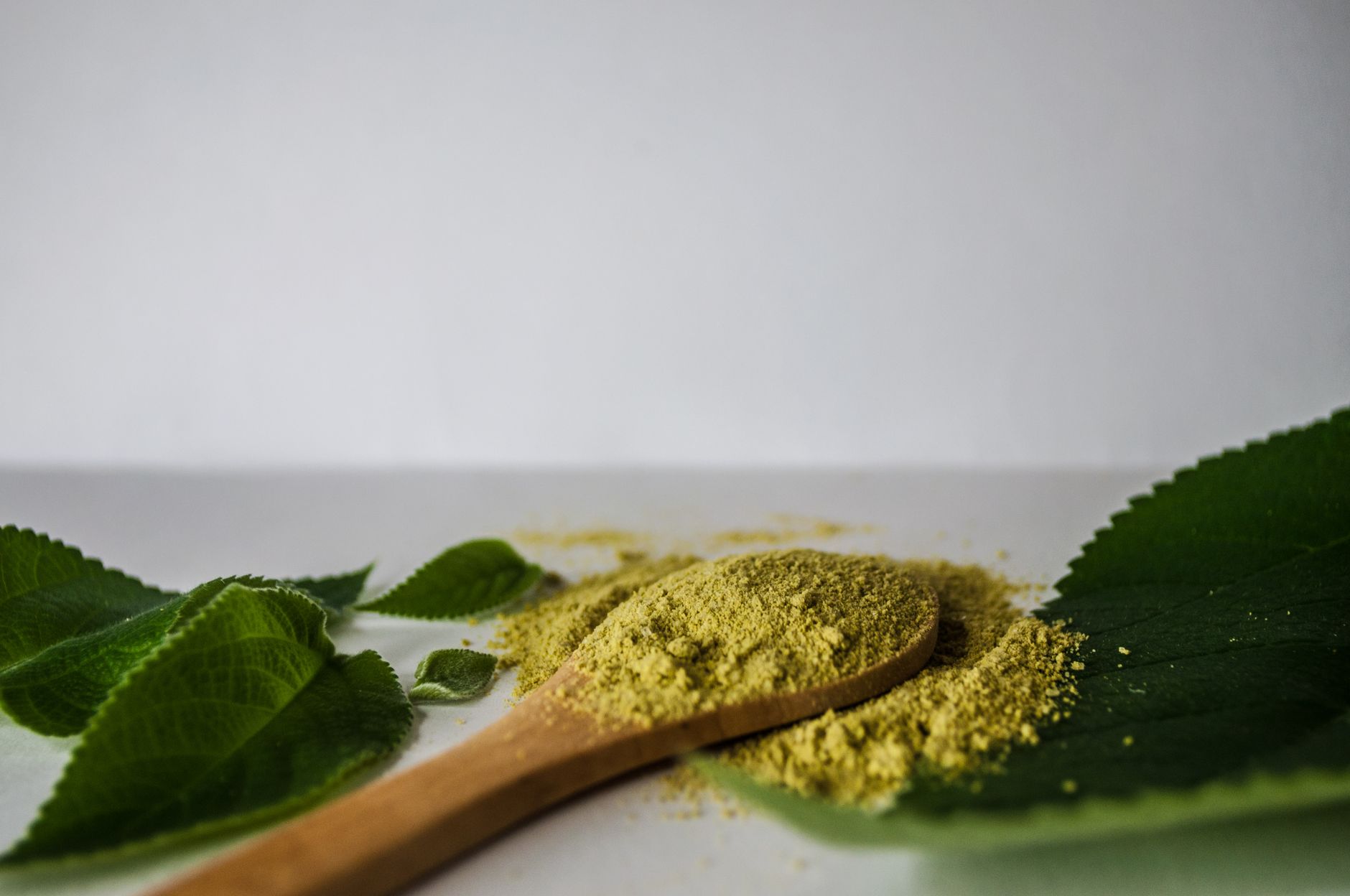
Few herbs bridge the ancient and the modern quite as gracefully as stevia. Long before it appeared on health food store shelves or in wellness communities around the world, this modest green leaf was quietly revolutionizing the lives of indigenous peoples in South America, offering a gift of extraordinary sweetness without a single calorie of consequence. Today, stevia leaf powder stands at an fascinating crossroads — honored by traditional herbalists for its energetic and functional properties, and embraced by contemporary practitioners as a safe, plant-based alternative to refined sugar. Understanding the full profile of this herb, from its botanical roots to its chemical constituents, is essential for anyone serious about incorporating authentic herbal wisdom into daily life. > "The leaf of stevia is a reminder that nature's sweetness comes without compromise — it nourishes without burdening, satisfies without excess, and heals while it pleases." > — Traditional South American herbal saying --- MATERIA MEDICA Scientific Name: Stevia rebaudiana Bertoni Common Names: Stevia, Sweet Leaf, Honey Leaf, Sugar Leaf, Candy Leaf, Sweet Herb of Paraguay Family: Asteraceae (Daisy family) Parts Used: Leaves (dried and powdered) Taste: Intensely sweet, mildly bitter on the finish Energetics: Cooling, slightly drying Actions: Sweetening agent, hypoglycemic, antioxidant, antimicrobial, antihypertensive, adaptogenic support --- Physical Description and Botanical Characteristics Stevia is a small, perennial shrub that typically grows between 60 and 80 centimeters in height under cultivated conditions. Its botanical characteristics include lance-shaped, serrated leaves that grow in an alternating pattern along branching green stems. The leaves are bright to medium green, slightly textured on the surface, and carry a distinctive sweetness even when tasted fresh off the plant. Small white flowers bloom in clusters at the tips of the branches, and the plant has a fibrous, well-established root system. In powdered form, stevia leaf retains much of its green color and aromatic quality. Organic stevia leaf powder sourced from whole dried leaves maintains more of the plant's complete phytochemical profile than highly processed extracts — an important distinction for herbalists and wellness practitioners. --- Habitat and Cultivation Stevia is native to the highlands of northeastern Paraguay and parts of southern Brazil, where indigenous Guaraní people have cultivated and used it for centuries. It thrives in warm, subtropical climates with sandy, well-drained, slightly acidic soils. Today, stevia is commercially cultivated across China, India, Pakistan, Bangladesh, and parts of East Africa — which is why the stevia leaf powder price varies so significantly depending on region and sourcing. Countries like India and Pakistan have developed substantial stevia farming industries, making stevia leaf powder price in India and stevia leaf powder price in Pakistan competitive for both domestic use and export. The plant requires full sun, consistent moisture, and does not tolerate frost well. It is increasingly grown in home herb gardens in warmer climates, prized for its ornamental and functional value. --- Harvest and Collection For maximum sweetness and phytochemical potency, stevia leaves are best harvested just before the plant begins to flower. At this stage, the concentration of sweet glycosides in the leaves is at its peak. Harvest leaves in the early morning after the dew has dried Choose bright green, undamaged leaves from healthy, mature plants Dry leaves at low temperatures (between 43°C and 55°C) to preserve active compounds Grind dried leaves into a fine powder using a spice grinder or mortar and pestle Store in an airtight, dark container away from heat and moisture Whole leaf powder differs meaningfully from stevia extracts. When weighing stevia leaf powder vs extract , practitioners note that the whole leaf contains a broader spectrum of constituents, while extracts isolate specific sweet glycosides at higher concentrations. --- Qualities and Energetics In traditional herbal medicine frameworks, particularly those rooted in Ayurveda and South American plant wisdom, energetic properties are as important as chemical actions. Stevia is classified as a cooling and slightly drying herb , making it well suited for conditions associated with heat and excess moisture in the body. Its cooling nature supports it as a companion herb for inflammatory conditions, blood sugar imbalances, and digestive excess. The slight bitterness that follows its initial sweetness is energetically significant — bitterness is associated with hepatic and digestive support in many traditional systems. This energetic profile also means stevia blends harmoniously with warming spices such as cinnamon, ginger, and cardamom in herbal preparations, creating a balanced sensory and therapeutic experience. --- Chemical Constituents The remarkable sweetness of stevia leaf — which can be 200 to 300 times sweeter than sucrose — comes from a family of diterpene glycosides. The whole leaf contains a broader spectrum of these compounds than isolated extracts. Stevioside — the primary sweet glycoside, extensively studied for blood sugar effects Rebaudioside A, B, C, D — additional glycosides contributing to sweetness profile Steviol — the aglycone backbone of all stevia glycosides Flavonoids — including kaempferol, quercetin, and apigenin, with antioxidant activity Chlorophyll — retained in whole leaf powder, contributing to its green color Tannins — contributing mild astringency and antimicrobial properties Essential oils — trace amounts, contributing to the leaf's aromatic profile Austroinulin — a polysaccharide supporting prebiotic activity The diversity of these constituents is one reason why herbalists often prefer whole organic stevia leaf powder over isolated stevioside extracts, citing the synergistic interaction of plant compounds as central to the herb's full therapeutic value. --- Traditional Uses, Benefits, and Indications The traditional uses of stevia are deeply rooted in Guaraní culture, where the leaf was used to sweeten herbal teas, support healthy blood sugar levels, and address digestive complaints. It was also traditionally used as a wound-healing topical application and as a general tonic for energy and vitality. Contemporary research has expanded our understanding of stevia leaf powder benefits , offering clinical context for many of these ancestral applications: Blood sugar regulation — glycosides in stevia have demonstrated insulin-sensitizing and glucose-lowering effects in multiple studies Blood pressure support — stevioside has shown mild antihypertensive activity, making it relevant for cardiovascular wellness Antioxidant protection — the flavonoid content helps neutralize free radical activity throughout the body Antimicrobial activity — stevia extracts have shown inhibition of certain oral bacteria, supporting dental health Weight management support — as a zero-calorie sweetener, stevia leaf powder supports healthy weight goals when used as a sugar substitute Digestive comfort — the bitter finish of whole leaf powder gently stimulates digestive enzymes Regarding stevia leaf powder side effects , it is considered very safe at culinary doses. Extremely high intake may occasionally cause mild digestive sensitivity in some individuals. Those with allergies to plants in the Asteraceae family should use with appropriate caution. --- Three Ways to Use Stevia Leaf Powder at Home Recipe 1: Classic Sweet Green Herbal Tea This simple preparation honors stevia's traditional uses as a tea sweetener, creating a naturally sweet infusion perfect as a daily wellness ritual. Ingredients: - 1 teaspoon stevia leaf powder - 1 teaspoon dried peppermint leaf - ½ teaspoon dried lemon balm - 2 cups filtered water - Optional: slice of fresh lemon Preparation: 1. Bring water to just below a boil (about 85°C). 2. Combine stevia leaf powder, peppermint, and lemon balm in a tea infuser or small muslin bag. 3. Pour hot water over the herbs and steep for 7 to 10 minutes. 4. Strain well, as stevia powder can be quite fine. 5. Add a slice of lemon if desired and enjoy warm or over ice. Note: Because stevia leaf powder is intensely sweet, start with less and adjust to taste. --- Recipe 2: Stevia-Sweetened Cinnamon Honey Syrup This warming, blood sugar-conscious syrup can be drizzled over oatmeal, stirred into herbal teas, or used as a natural flavoring in wellness tonics. Ingredients: - 1 cup filtered water - 1 teaspoon stevia leaf powder - 1 cinnamon stick - 3 whole cloves - ½ teaspoon fresh ginger, grated - 1 tablespoon raw honey (added off heat) Preparation: 1. Combine water, stevia leaf powder, cinnamon, cloves, and ginger in a small saucepan. 2. Bring to a gentle simmer over low heat and cook for 15 minutes, stirring occasionally. 3. Remove from heat and allow to cool for 5 minutes. 4. Stir in raw honey until fully dissolved. 5. Strain through a fine mesh sieve into a clean glass jar. 6. Store refrigerated for up to two weeks. Use 1 to 2 teaspoons per serving. --- Recipe 3: Stevia Green Leaf Face Mist Drawing on stevia's traditional topical applications and its antimicrobial and antioxidant constituents, this refreshing mist supports calm, balanced skin. Ingredients: - 1 cup distilled water - 1 teaspoon stevia leaf powder - 5 drops lavender essential oil - 3 drops tea tree essential oil - 1 tablespoon witch hazel Preparation: 1. Bring distilled water to a boil, then remove from heat. 2. Stir in stevia leaf powder and allow to steep for 20 minutes. 3. Strain through a fine cloth or coffee filter until liquid is clear. 4. Allow the stevia infusion to cool completely to room temperature. 5. Combine with witch hazel in a small spray bottle. 6. Add lavender and tea tree essential oils, then shake well before each use. 7. Mist over clean skin morning and evening. Store in the refrigerator for up to one week. Perform a patch test before applying to the full face, especially for sensitive skin types. --- Bringing Stevia Leaf Powder Into Your Wellness Practice Stevia leaf powder represents one of nature's most generous gifts — pure sweetness with functional depth. Whether you are exploring it for blood sugar support, seeking a natural sugar substitute, or simply curious about the herbal wisdom embedded in this remarkable plant, whole leaf powder offers a richer, more complete experience than highly processed extracts. The key is sourcing quality. Organic stevia leaf powder from a trusted supplier ensures you receive the full spectrum of the plant's natural constituents, free from pesticide residues and unnecessary processing. If you are ready to explore stevia leaf powder for yourself, Societe carries a beautifully sourced whole leaf powder perfect for teas, syrups, culinary use, and more. Visit societeapothecary.com/product/stevia-leaf-powder/ to bring this ancient sweet herb into your home — and let your wellness journey be a little sweeter.