Star Anise: The Ancient Spice with Extraordinary Wellness Powers
Société Team
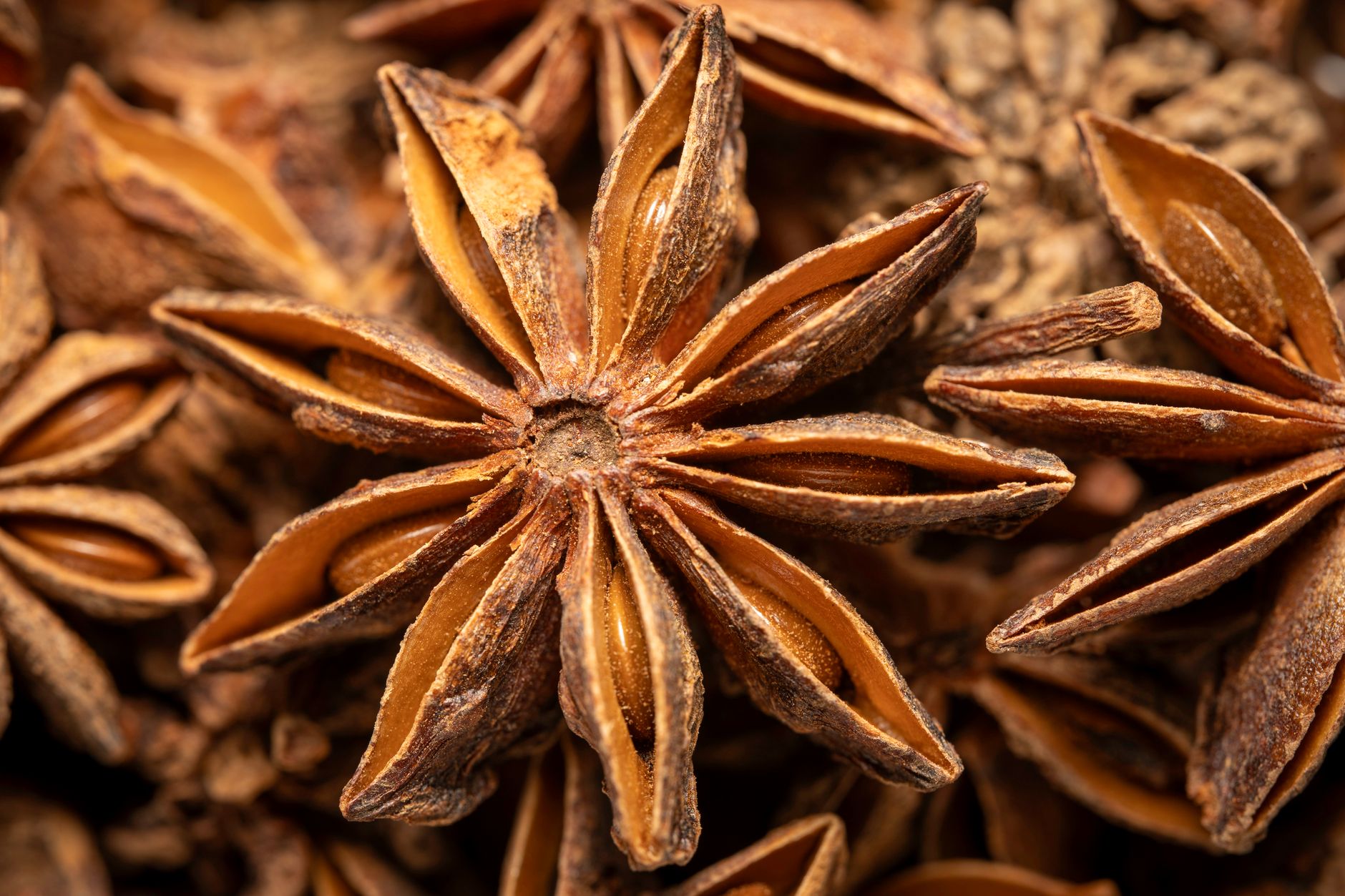
A Spice That Stops You in Your Tracks There are certain herbs that feel like they were made to be noticed. Star anise is one of them. With its elegant, geometric shape and a scent that is at once warm, sweet, and intensely aromatic, star anise has a way of commanding attention the moment it enters a room. It is the kind of spice that makes you pause, breathe deeply, and feel something shift. But star anise is far more than a pretty face in your spice cabinet. Behind that distinctive eight-pointed star lies a centuries-old legacy of healing, a complex profile of bioactive compounds, and a surprising range of wellness applications that are earning it a well-deserved place in modern herbal practice. The Ancient Roots of Star Anise Star anise ( Illicium verum ) is native to southern China and northeastern Vietnam, where it has been cultivated and revered for over three thousand years. It holds a prominent position in Traditional Chinese Medicine (TCM), where it has long been used to warm the body, support digestion, and ease pain. In TCM, star anise is considered a warming herb that acts on the spleen, stomach, kidney, and liver meridians. Practitioners used it to treat cold-type conditions — those characterised by feelings of coldness, sluggishness, and digestive stagnation. Star anise made its way along the Silk Road into European kitchens and apothecaries in the 16th century, where it was quickly adopted for both culinary and medicinal purposes. European herbalists embraced it as a digestive aid and a remedy for respiratory complaints, and it became a staple ingredient in many traditional tonics and liqueurs, including the famous anise-flavoured spirits still enjoyed across the Mediterranean today. Interestingly, star anise gained renewed global attention in the early 2000s when it was discovered to be a primary source of shikimic acid , a compound used in the synthesis of the antiviral drug oseltamivir (Tamiflu). This discovery brought the spice from ancient apothecary shelves into cutting-edge pharmaceutical research — a remarkable journey for a humble herb. Understanding the Properties of Star Anise The impressive range of benefits attributed to star anise comes down to its rich chemistry. The spice is packed with powerful bioactive compounds that work together to support health in multiple ways. The most notable of these is anethole , the primary active compound responsible for star anise's distinctive liquorice-like aroma and flavour. Anethole has been studied for its antimicrobial, antifungal, anti-inflammatory, and even antiviral properties, making it one of the more remarkable phytochemicals found in the plant world. Beyond anethole, star anise contains: Shikimic acid — a key compound with antiviral potential, famously used in flu medication Linalool — a calming terpene also found in lavender, associated with relaxation and stress relief Quercetin and kaempferol — powerful antioxidant flavonoids that help combat oxidative stress Foeniculin and estragole — additional aromatic compounds contributing to its therapeutic profile Essential oils — concentrated beneficial plant compounds with broad antimicrobial activity This rich combination of compounds gives star anise a truly multi-dimensional wellness profile that supports the body in ways that are both ancient and scientifically validated. Key Health Benefits of Star Anise Star anise has been used across cultures to address a wide spectrum of health concerns. Here is a closer look at the areas where it genuinely shines. Digestive Support One of the most time-honoured uses of star anise is as a digestive herb, and for very good reason. It works in several ways to ease digestive discomfort — it has antispasmodic properties that help relax the smooth muscles of the gastrointestinal tract, reducing cramping and bloating. Star anise also supports the production of digestive enzymes, encouraging more efficient breakdown of food. It has traditionally been taken after heavy meals across China, India, and the Middle East as a natural digestive aid, and this practice holds up remarkably well under modern scientific scrutiny. Antimicrobial and Antifungal Action Research has demonstrated that star anise extract shows potent activity against a range of harmful bacteria and fungi. Studies have found it effective against bacterial strains including E. coli and Staphylococcus aureus , as well as common fungal species. This antimicrobial capacity makes it a valuable ally during times of illness, and also helps explain its traditional use in food preservation in warm climates where spoilage was a constant concern. Respiratory Relief Star anise has a long history of use as a respiratory herb. Its warming, expectorant qualities help loosen mucus and ease congestion, making it particularly useful during colds, coughs, and bronchitis. Many traditional cough syrups and herbal chest remedies historically contained star anise as a core ingredient. Even today, the soothing steam from a star anise tea is a beloved home remedy for stuffy noses and tight chests. Hormone Balance and Women's Wellness Anethole, the primary compound in star anise, has a molecular structure that loosely resembles oestrogen. This has led to its traditional use in many cultures to support menstrual regularity , ease period cramps, and support lactation in breastfeeding mothers. While more research is needed to fully understand the mechanisms at play, the historical use of star anise as a women's herb across multiple independent cultures is compelling and worth noting. Antioxidant Protection Star anise is rich in powerful antioxidants, including quercetin, kaempferol, and anethole itself. Antioxidants play a crucial role in neutralising free radicals — unstable molecules that cause cellular damage and accelerate ageing. Regular inclusion of antioxidant-rich herbs like star anise in your wellness routine can support long-term cellular health and reduce the burden of oxidative stress on the body. Anti-Inflammatory Support Chronic inflammation is increasingly recognised as an underlying driver of many modern health conditions, from cardiovascular disease to autoimmune conditions. Star anise contains several compounds with demonstrated anti-inflammatory activity. Anethole in particular has been shown in studies to inhibit certain inflammatory pathways, offering potential support for those dealing with inflammation-related discomfort. How to Prepare and Use Star Anise One of the joys of star anise is its versatility. It can be used in a remarkable number of ways, from simple kitchen preparations to more intentional wellness practices. Herbal Tea (Infusion) The most accessible way to enjoy star anise therapeutically is as a warm tea. Simply: Lightly crush one or two whole star anise pods Steep in freshly boiled water for 10–15 minutes Strain and sip slowly, ideally after a meal You can combine it beautifully with ginger, cinnamon, or fennel seeds for an even more warming and digestive-supportive blend. Decoction For a stronger preparation, a decoction involves simmering the star anise pods in water for 15–20 minutes rather than simply steeping. This extracts a more concentrated dose of the active compounds and is the traditional method used in many Asian medicinal preparations. Steam Inhalation For respiratory support, add a few pods to a bowl of very hot water, drape a towel over your head, and breathe in the aromatic steam for several minutes. This is deeply soothing during colds and sinus congestion. Culinary Use Incorporating star anise into your cooking is one of the most enjoyable ways to benefit from it regularly. It is a cornerstone of Chinese five-spice powder, a key flavour in Vietnamese pho broth, and a warming addition to braised meats, mulled wines, chai blends, and baked goods. Tincture or Extract For those who prefer a more concentrated and convenient form, star anise is also available as a tincture or herbal extract, allowing for easy incorporation into a daily wellness routine. Star Anise in Holistic Wellness Practices Beyond its physical health applications, star anise holds a meaningful place in holistic and energetic wellness traditions. In many cultures, it has been used in ceremonial practices, aromatic rituals, and protective customs. In various folk traditions, star anise has been placed under pillows to encourage vivid dreams, burned as incense for clarity and spiritual protection, and used in rituals intended to attract good luck. Whether or not one subscribes to these beliefs, there is something undeniably grounding about working with a herb that carries so much cultural and historical richness. From an aromatherapy perspective, the warming, sweet scent of star anise is considered uplifting and grounding simultaneously. It can help ease anxiety, promote a sense of warmth and safety, and support a feeling of inner calm — qualities that make it a lovely addition to evening wellness rituals or mindful tea ceremonies. Pairing star anise with intentional self-care — whether that means brewing a slow, deliberate cup of tea, cooking a nourishing meal, or simply sitting with the aroma — can transform a simple herbal practice into something genuinely restorative. A Few Things to Keep in Mind Star anise is generally very safe and well-tolerated when used in culinary amounts or as a herbal tea. However, there are a few important distinctions and precautions worth being aware of. It is essential to distinguish true star anise ( Illicium verum ) from Japanese star anise ( Illicium anisatum ), which is a related but toxic species not suitable for consumption. Always source your star anise from a reputable supplier to ensure you are getting the genuine, safe variety. Pregnant women are generally advised to avoid therapeutic (large) doses of star anise, as its oestrogen-like compounds may be contraindicated during pregnancy. Culinary amounts used in cooking are typically considered safe, but it is always wise to consult with a qualified healthcare provider if you have any concerns. Those with allergies to plants in the Apiaceae family (such as fennel, celery, or coriander) may occasionally react to star anise, so introducing it gradually is sensible if you are new to the herb. Bring Star Anise Into Your Everyday Wellness Ritual Star anise is one of those rare herbs that genuinely earns its place in a thoughtful wellness practice. It is beautiful, fragrant, steeped in tradition, and backed by real science — a combination that is hard to resist. Whether you are drawn to its digestive benefits, its warming aromatic qualities, or simply the ritual of brewing a slow and fragrant cup of herbal tea, star anise has something meaningful to offer. If you are ready to explore this remarkable herb for yourself, we warmly invite you to visit societeapothecary.com/product/star-anise/ and discover Societe's carefully sourced star anise. At Societe, we believe that good herbs, thoughtfully chosen, can be the beginning of a truly nourishing relationship with your own wellbeing. Three Star Anise Recipes to Try at Home Star Anise Spiced Tea 2 whole star anise 1 cinnamon stick 2 cups water 1 tablespoon honey (optional) 1 slice of fresh ginger (optional) In a small pot, bring the water to a boil. Add the star anise, cinnamon stick, and ginger (if using) to the boiling water. Reduce heat and let it simmer for 10-15 minutes to enhance the flavors. Strain the tea into a cup and stir in honey for sweetness, if desired. Enjoy this warming tea, perfect for a cozy afternoon. Star Anise Infused Simple Syrup 5 whole star anise 1 cup sugar 1 cup water Combine the sugar and water in a saucepan over medium heat. Stir until the sugar is completely dissolved. Add the star anise and bring the mixture to a gentle boil. Reduce heat and let it simmer for 5 minutes. Remove from heat, let it cool, and strain into a jar or bottle. Use this syrup to add a delightful twist to cocktails or desserts. Star An