Soothing the Itch: The Best Clay Mask for Poison Ivy Rash
Société Team
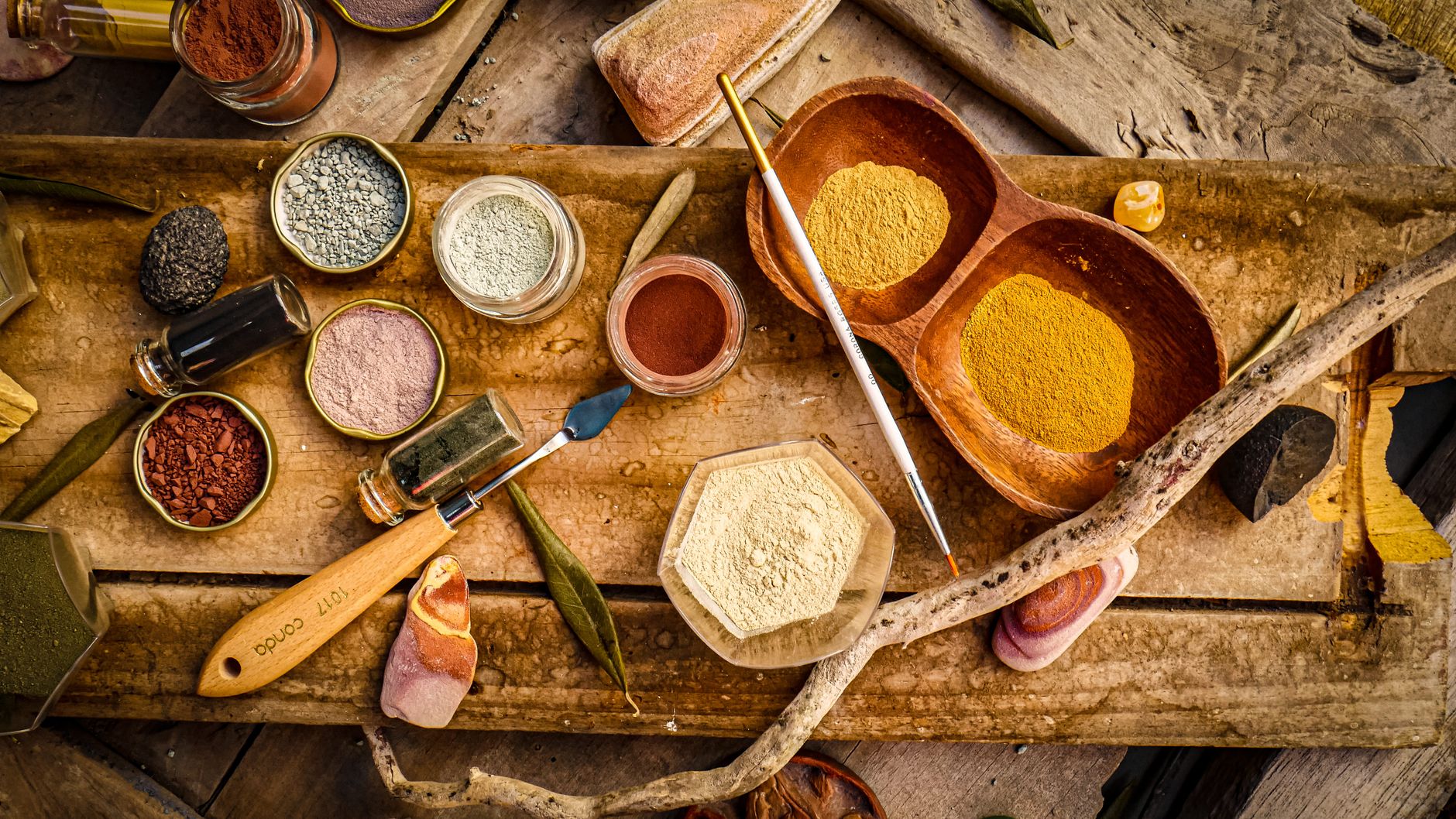
When the Woods Fight Back: How a Poison Ivy Clay Mask Can Help There is nothing quite like the misery of a poison ivy rash — the relentless itch, the weepy blisters, the raw, inflamed skin that seems to have a mind of its own. If you have ever found yourself searching desperately for relief, you may have stumbled across the idea of a poison ivy clay mask , and we are happy to tell you that this old-fashioned remedy has some very real wisdom behind it. Clay has been used for centuries across cultures to draw out impurities, calm irritated skin, and ease the discomfort of all manner of rashes and insect bites. When your skin is angry and oozing, a cool clay paste can feel like a genuine act of kindness. At Société Apothecary, we love sharing the kind of practical, plant-based knowledge that helps you feel empowered in your own home. So let's walk through exactly why clay works, which varieties are best suited for an itchy rash, how to mix up a simple paste, and what herbal allies pair beautifully with it. Why Clay Is So Good at Calming an Itchy, Weepy Rash The secret lies in clay's remarkable ability to absorb and adsorb — two different but equally valuable actions. Absorption pulls moisture and fluids into the clay itself, while adsorption means that particles (including irritants and toxins on the skin's surface) bind to the clay's outer structure. For a weepy poison ivy rash, this is exactly what you want. As a clay mask dries on the skin, it gently draws excess moisture away from blistered areas, which can help dry them out and reduce that unbearable oozing. The cooling sensation of the paste as it evaporates also provides almost immediate, if temporary, relief from itching. Clay is also naturally soothing to inflamed tissue, making it a thoughtful choice for skin that is red, hot, and reactive. The Best Clays for Poison Ivy Relief Not all clays are created equal, and each one brings slightly different strengths to the table. Here is how the most useful varieties compare: Bentonite Clay — The Star of the Show Bentonite clay is our top recommendation for poison ivy rashes, and for good reason. It is one of the most powerfully absorbent clays available, with a strong negative ionic charge that makes it exceptionally good at drawing things toward itself. It swells slightly when wetted, creating a thick, satisfying paste that stays put on the skin. Its drying action is more pronounced than most other clays, making it ideal for weepy, blistered rashes that need help drying out. Many herbalists and natural skincare enthusiasts consider it the gold standard for this kind of skin distress. Kaolin Clay — Gentle and Soothing If your rash is more dry and inflamed than actively weepy, or if your skin tends toward sensitivity, kaolin clay is a gentler alternative worth considering. It has a softer texture and less aggressive drawing action, which means it soothes without stripping. It mixes beautifully with other powdered botanicals and creates a creamy, easy-to-apply paste. Kaolin is also a lovely choice for using on the face, where skin tends to be more delicate. French Green Clay — Mineral-Rich and Stimulating French green clay is rich in minerals and has a moderate drawing action that falls somewhere between bentonite and kaolin. It is excellent for general skin support and detoxification, though it can be slightly more stimulating to the skin than the other two. For poison ivy specifically, it works best when the rash is in a later, less acute stage and the skin is beginning to calm down. A Simple DIY Poison Ivy Clay Paste Recipe This recipe is wonderfully easy to put together, and you can customize it based on what you have on hand. Always mix clay in a non-metal bowl with a non-metal spoon, as metal can interfere with clay's ionic properties. Basic Paste: 2 tablespoons bentonite clay (or kaolin for sensitive skin) Enough cool water or alcohol-free witch hazel to form a thick, spreadable paste Optional Add-Ins for Extra Comfort: Colloidal oatmeal powder — deeply soothing and itch-calming for irritated skin Plantain leaf powder — a traditional herbal ally for drawing and cooling inflamed skin Peppermint powder or a drop of peppermint hydrosol — adds a pleasant cooling sensation that temporarily eases itch A small splash of apple cider vinegar — some people find this helps restore skin's natural pH and adds a gentle astringent quality; use sparingly, as it can sting on broken skin Simply stir your chosen ingredients together until you reach a smooth, paste-like consistency — similar to thick yogurt. Use immediately for best results, as clay paste does not store well once mixed. How to Apply the Clay Mask and How Often Application is wonderfully straightforward. Using clean fingers or a soft spatula, spread a generous layer of the paste over the affected area, being careful to avoid broken or bleeding skin. Allow it to sit for 15 to 20 minutes , or until it begins to dry and tighten. Rinse gently with cool water — never hot, which can increase inflammation — and pat dry with a soft cloth. Do not rub. You can repeat this process two to three times daily during the most uncomfortable phase of the rash. Always follow up with something gently moisturizing if the skin begins to feel overly dry or tight between applications. Herbal Allies That Pair Beautifully with Clay Clay does not have to work alone. Several beloved herbs have a long tradition of supporting irritated, rashy skin and can be woven into your care routine alongside the clay paste. Jewelweed is perhaps the most famous folk remedy for poison ivy, often found growing near poison ivy plants in the wild. A cooled tea or infusion of jewelweed can be used to rinse the rash before applying clay, or the liquid can be incorporated directly into your paste in place of plain water. Plantain leaf (the common garden herb, not the banana variety) is a remarkable skin herb with a long history of drawing out irritants and calming inflamed tissue. You can use it as a powder in your clay paste, brew it as a rinse, or apply a simple fresh poultice if you have access to it. Chamomile , brewed as a strong tea and cooled completely, makes a wonderfully gentle rinse for irritated skin. Its naturally calming properties translate beautifully when applied topically. Witch hazel is a classic astringent that helps tighten and calm angry skin. Using an alcohol-free version as the liquid in your clay paste is one of our favorite ways to incorporate it — it adds soothing, toning action without unnecessary harshness. If you would like to explore these herbs and clays in person, we warmly invite you to visit us at Société Apothecary in Portsmouth, NH . Our shelves are stocked with quality clays, dried herbs, and botanical powders, and our team is always happy to help you find what you need and answer your questions. When to See a Doctor As much as we love herbal and clay-based support, there are times when a physician's care is truly necessary. Please seek medical attention if you notice any of the following: The rash is spreading rapidly or covering large areas of the body The rash is on or near your face, eyes, mouth, or genitals You are experiencing difficulty breathing (which can occur if urushiol smoke has been inhaled) Signs of infection appear, including increasing warmth, pus, or red streaking around the rash You develop a fever The rash is not improving after a week or two of careful home care In these situations, please do not rely on home remedies alone. A qualified healthcare provider can offer prescription-strength treatments that may be exactly what your body needs. This post is intended for educational and informational purposes only and does not constitute medical advice. It is not a substitute for the guidance of a licensed healthcare practitioner. If you have concerns about your health or the severity of a rash, please consult a qualified medical professional. Individual responses to herbs and natural preparations vary, and what soothes one person's skin may not be appropriate for another's.