Slippery Elm: Materia Medica
Société Apothecary
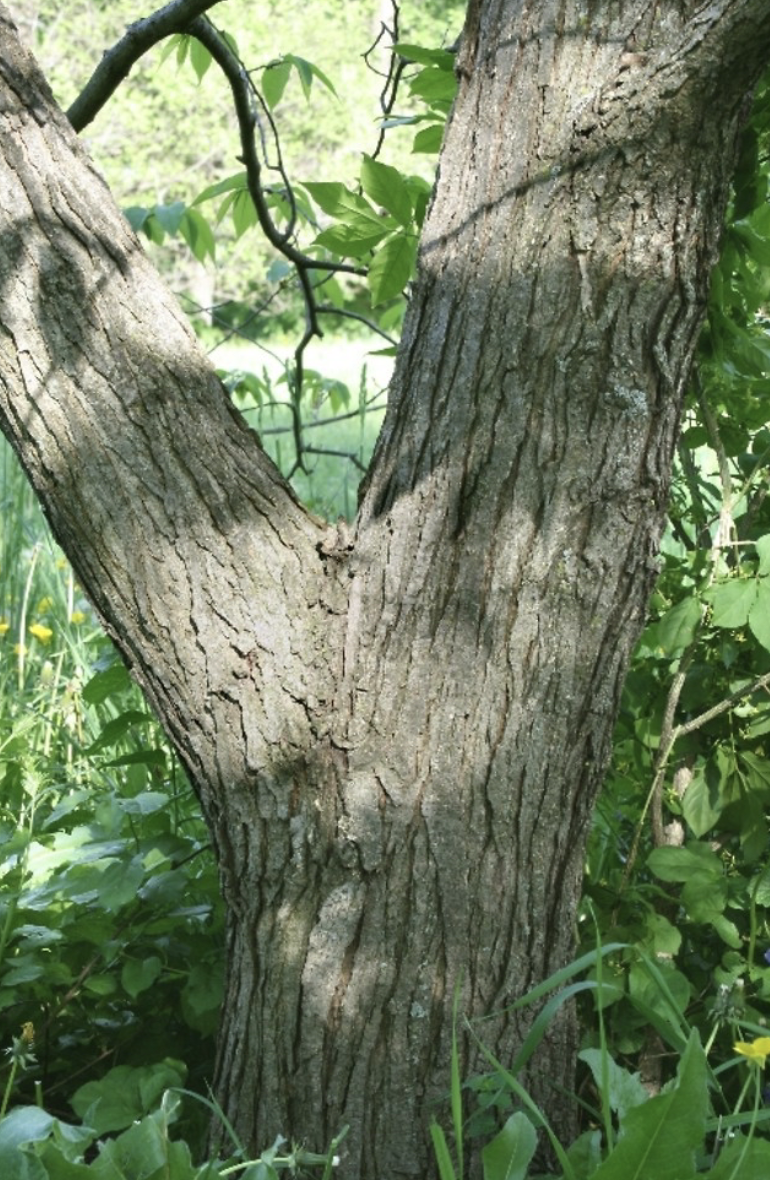
]( https://www.societeapothecary.com/s/search?q=elm ) Soft, mucilaginous, and soothing to inflamed tissues, Slippery Elm is a time-honored remedy in North American herbalism. Revered by Indigenous peoples and widely adopted in Western herbal medicine, it coats and protects the mucous membranes, calms irritation, and nourishes depleted systems. “Slippery Elm is the balm of the inner body—gentle yet strong, protective yet nourishing, it helps restore the integrity of the gut, lungs, and throat.” MATERIA MEDICA Latin Binomial: Ulmus rubra (syn. Ulmus fulva ) Common Name(s): Slippery Elm, Red Elm, Indian Elm TCM Name: Not traditionally used in TCM Ayurvedic Name: No direct counterpart Family: Ulmaceae Physical Description of the Plant: A medium-sized deciduous tree with rough bark, downy twigs, and oval, toothed leaves. The inner bark is light brown to reddish and has a slippery, mucilaginous texture when moistened. Habitat: Native to eastern and central North America; prefers moist, rich soils and wooded areas. Harvest and Collection: Inner bark is harvested in spring from mature trees; sustainably collected from pruned branches or fallen limbs to protect tree populations. Parts of the Plant Used: Inner bark (dried and powdered) Qualities: Mucilaginous, slightly sweet, bland Energetics: Cooling, moistening, soothing Dosha: Pacifies Vata and Pitta; may increase Kapha slightly due to moisture Chemical Constituents: Mucilage (polysaccharides) Tannins Starch Calcium, magnesium, and other trace minerals Flavonoids Actions: Demulcent Emollient Mucoprotective Nutritive Mild astringent Vulnerary (wound healing) Antitussive (soothes cough) Indications: Gastrointestinal inflammation: ulcers, gastritis, colitis Sore throat, laryngitis, dry cough Constipation or irritated bowels Acid reflux and heartburn Emaciation or convalescence Topical wounds, boils, and burns (as poultice) UTI irritation (adjunctive use) Diagnostic Picture: Ideal for dry, irritated, or inflamed tissues. Suited for individuals who are depleted, sensitive, or suffering from "raw" mucosal conditions. Brings nourishment and moisture where the body is parched or inflamed. Contraindications/Cautions: May interfere with absorption of medications or nutrients if taken too close together—space by 1–2 hours Sustainably harvested bark is essential—overharvesting has threatened populations in some areas Drug Interactions: Can delay absorption of oral medications or supplements—take at different times Dosage: Cold Infusion (best for mucilage): 1–2 tsp powdered bark in cool water; steep for several hours; drink 1–3x/day Warm Gruel: 1 tbsp powder in warm water or milk; stir well until thick; eat as needed for soothing effect Capsules: 400–500 mg; 1–2 capsules up to 3x/day (less effective than whole powder) Poultice: Mix powder with water; apply externally to wounds or boils Combinations: With Marshmallow and Licorice for GI soothing With Plantain and Calendula for wound poultices With Peppermint or Ginger for digestive comfort With Mullein and Thyme for coughs and respiratory irritation Folklore: Used by numerous Native American tribes as food and medicine, Slippery Elm was a sacred healing plant, especially during times of illness or famine. In 19th-century Western herbalism, it was a staple for digestive ailments and survival rations—known as “elm gruel.” Applications: Perfect for gastrointestinal healing protocols, sore throat care, dry coughs, or post-illness recovery. Externally, use as a poultice for wounds and inflammation. Internally, supports both structure and function of mucosal tissues with gentle nourishment. Recipes: Throat Soothing Slurry 1 tsp Slippery Elm Warm water + honey Stir into a paste and slowly sip or swallow GI Calm Tea Slippery Elm Marshmallow root Licorice Cold-infused overnight; drink during flare-ups Wound Poultice Slippery Elm + Plantain Mix with warm water Apply to clean wound; wrap with cloth Scientific Research: Clinical evidence supports its demulcent and anti-inflammatory effects, particularly in IBS, GERD, and sore throat. Its mucilage coats and protects tissues, reduces irritation, and supports tissue repair. References: Hoffmann, D. “Medical Herbalism” Wood, M. “The Earthwise Herbal” Mills & Bone “Principles and Practice of Phytotherapy” Eclectic herbal texts and Native American ethnobotany PubMed articles on Ulmus rubra and mucilage therapy Click here to see our Slippery Elm products Three Slippery Elm Recipes to Try at Home Soothing Slippery Elm Tea 1 tablespoon slippery elm powder 1 cup hot water Honey or maple syrup (optional) Place the slippery elm powder in a mug. Pour hot water over the powder and stir until well mixed and slightly thickened. Sweeten with honey or maple syrup if desired. Sip slowly to soothe the throat and digestive tract. Slippery Elm Throat Lozenges 1/4 cup slippery elm powder 1/4 cup honey 1 tablespoon coconut oil 1/2 teaspoon cinnamon powder (optional) In a small bowl, combine slippery elm powder and cinnamon powder. Add honey and coconut oil, mixing until a thick dough forms. Roll small amounts of the dough into balls and flatten slightly. Place on a parchment-lined tray and let air dry for 24 hours. Use as needed to ease throat irritation. Nutritive Slippery Elm Porridge 2 tablespoons slippery elm powder 1 cup almond milk or water 1 teaspoon vanilla extract 1 tablespoon maple syrup Fresh berries or nuts (optional) In a small saucepan, combine slippery elm powder and almond milk or water. Heat over medium, stirring constantly until the mixture thickens. Remove from heat and stir in vanilla extract and maple syrup. Top with fresh berries or nuts if desired, and enjoy warm. Always consult a qualified healthcare practitioner before introducing new herbal remedies into your routine.