Sheep Sorrel: The Humble Wild Herb With Remarkable Benefits
Société Team
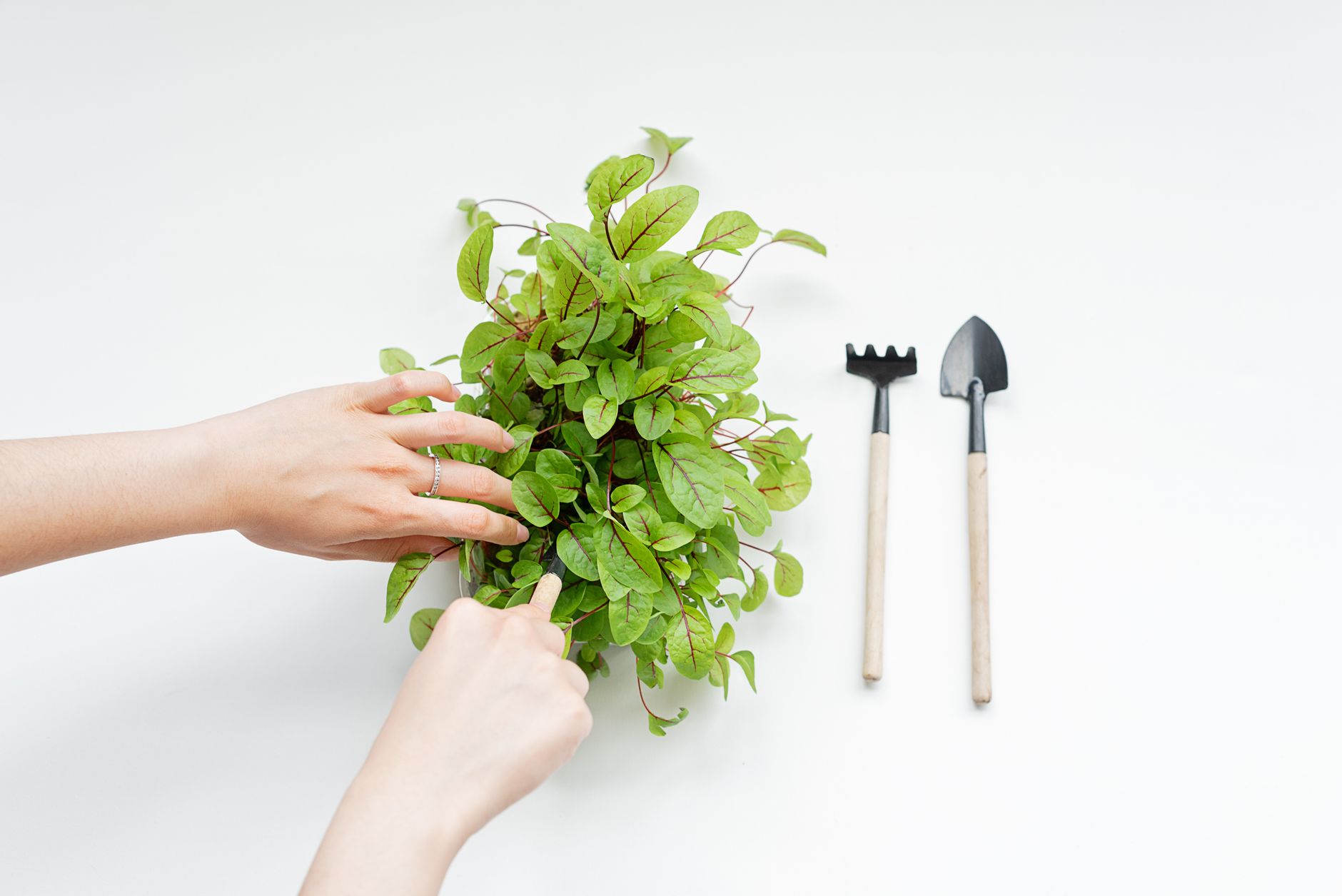
What Is Sheep Sorrel? Getting to Know This Remarkable Plant Sheep sorrel ( Rumex acetosella ) is a small but mighty plant that grows in fields, roadsides, and meadows across North America, Europe, and Asia. Often dismissed as a common sheep sorrel weed, this humble herb has quietly earned the respect of herbalists, foragers, and wellness enthusiasts for centuries. Its slender, arrow-shaped leaves carry a distinctly tart, lemony bite — thanks to oxalic acid — making the sheep sorrel plant instantly recognizable once you've tasted it. The tiny reddish sheep sorrel flower clusters add a splash of earthy beauty to wild meadows from spring through late summer. Don't let its modest size fool you. Sheep sorrel has a rich story to tell, and once you learn what this plant can offer, you'll never look at a weedy field the same way again. A History Rooted in Traditional Healing For centuries, Indigenous peoples across North America used sheep sorrel as both a food and a medicine. Its leaves were eaten fresh, cooked into soups, and used as a cooling remedy for fevers and inflammation. In European folk medicine, sheep sorrel was valued as a cleansing herb — one that was believed to purify the blood and support the body during times of illness or seasonal transition. Healers in the British Isles often turned to it as a spring tonic, gathering the plant just as it emerged from the cold ground each year. Perhaps most notably, sheep sorrel became one of the four core ingredients in Essiac tea , a blend developed by Canadian nurse Rene Caisse in the early 20th century. Drawing on knowledge passed down from an Ojibwe healer, Caisse used this herbal formula — featuring sheep sorrel root and leaf prominently — to support patients dealing with serious illness. Essiac tea remains widely used in wellness circles today, and sheep sorrel is widely regarded as one of its most active and important components. This long history of use across cultures is part of what makes sheep sorrel so compelling. When people across different continents independently reach for the same plant, there's often something genuinely meaningful behind it. Sheep Sorrel Benefits: What This Herb Brings to the Table The sheep sorrel benefits list is surprisingly varied for such a small plant. Modern herbalists and researchers have begun to examine the traditional claims about this herb with growing interest. Some of the most widely noted benefits include: Antioxidant activity — Sheep sorrel contains quercetin, hyperoside, and other flavonoids that help neutralize free radicals in the body. Anti-inflammatory properties — Traditional and contemporary herbalists alike note its potential to calm inflammation, particularly in the digestive and respiratory systems. Digestive support — The plant has long been used to soothe upset stomachs, relieve constipation, and support healthy gut motility. Immune system support — Some research suggests that compounds in sheep sorrel may help stimulate immune function, which aligns with its historical use as a tonic during illness. Diuretic properties — Sheep sorrel gently encourages kidney function and fluid elimination, supporting the body's natural detox pathways. Fever-reducing qualities — Historically used to bring down mild fevers, particularly in children, through its cooling and slightly astringent action. The sheep sorrel root, in particular, is considered especially potent by many herbalists. The root contains a concentration of active compounds that complement the leaf's gentler profile, making whole-plant preparations particularly valued. Sheep Sorrel Benefits for Hair: A Wellness Bonus Worth Exploring One area of growing interest is the connection between sheep sorrel benefits for hair and its rich nutritional profile. Sheep sorrel is a meaningful source of vitamins A and C, both of which play key roles in scalp health and hair follicle function. Vitamin C, in particular, supports collagen synthesis — a structural protein essential for healthy hair growth. Without adequate vitamin C, hair can become brittle, prone to breakage, and slow to grow. Sheep sorrel also delivers chlorophyll, iron, and antioxidants that may support circulation to the scalp and protect hair follicles from oxidative stress. While this isn't a miracle hair-growth cure, incorporating sheep sorrel — especially as a regular herbal tea — into a balanced wellness routine may contribute to healthier, stronger hair over time. Many people who use sheep sorrel tea as part of a broader herbal regimen report improved energy, better digestion, and a general sense of vitality — all of which tend to show up in the health of hair and skin as well. The body's outer layers often reflect what's happening inside. Is Sheep Sorrel Edible? Foraging and Food Uses Absolutely — sheep sorrel is edible , and its fresh young leaves are genuinely delicious. The flavor is bright, sour, and citrusy, similar to wood sorrel or green apple skin, with a pleasant zing that wakes up the palate. Foragers love sheep sorrel as a wild salad green, especially in early spring when the leaves are tender and mild. Here are some of the most popular ways to enjoy it as food: Fresh in salads — Toss a handful of young leaves into a green salad for a pop of tangy flavor. Blended into pesto — Sheep sorrel makes a beautifully bright pesto when blended with olive oil, garlic, and nuts. Stirred into soups — Add leaves at the end of cooking to a lentil or potato soup for a lovely lemony brightness. Used as a seasoning — Finely chopped, the leaves can replace lemon juice or vinegar in many dishes. It's worth noting that sheep sorrel contains oxalic acid, which gives it its characteristic tang. For most people, moderate consumption is completely safe and enjoyable. However, those with kidney stones, gout, or certain digestive conditions should consume it in smaller quantities and consult a healthcare provider if they have concerns. How to Prepare Sheep Sorrel Tea (And Other Herbal Uses) Sheep sorrel tea is the most popular way to enjoy this herb therapeutically, and it's wonderfully simple to prepare. Many people drink it as a daily wellness tonic, particularly as part of an Essiac-style herbal blend or on its own for gentle cleansing support. To make a basic sheep sorrel tea: 1. Use approximately one teaspoon of dried sheep sorrel herb (leaf and root) per cup of water. 2. Bring fresh water to a gentle boil, then remove from heat. 3. Add the herb and steep for 10–15 minutes, covered, to preserve the volatile compounds. 4. Strain thoroughly and sip slowly while warm. Some herbalists prefer a cold infusion, especially in summer, allowing the herb to steep in cool water for several hours in the refrigerator. This method produces a lighter, refreshing drink that's lovely with a bit of honey or fresh mint. Beyond tea, sheep sorrel can be taken as a tincture, incorporated into herbal capsules, or used as part of a powdered herbal blend. The sheep sorrel root is sometimes prepared separately as a decoction — simmered gently for 20–30 minutes rather than simply steeped — to draw out its deeper, more concentrated constituents. However you prepare it, sourcing high-quality, organically grown sheep sorrel matters. Herbs gathered from roadsides or treated fields may carry pesticide or heavy metal residues, so always choose a trusted supplier. Understanding Sheep Sorrel Allergy and Safety Considerations Like any herb or plant, sheep sorrel deserves a thoughtful approach. Sheep sorrel allergy is worth understanding, particularly for people who have sensitivities to related plants or pollen. Sheep sorrel is a member of the Polygonaceae (buckwheat) family and produces airborne pollen that can trigger seasonal allergic rhinitis in sensitive individuals. In fact, sheep sorrel IgE (immunoglobulin E) testing is sometimes used in allergy panels to identify pollen-related sensitivities — particularly in spring and summer months when the plant is in full flower. For people consuming sheep sorrel as a food or tea, cross-reactive allergies are much less common, but it's always wise to start with a small amount and observe how your body responds. Additional safety considerations include: Pregnancy and breastfeeding — Sheep sorrel is generally not recommended in therapeutic amounts during pregnancy. Speak with your midwife or healthcare provider before use. Kidney concerns — Due to its oxalic acid content, people with a history of kidney stones (particularly calcium oxalate stones) should use caution and seek professional guidance. Medication interactions — Like many herbs with diuretic properties, sheep sorrel may interact with certain diuretic medications. Always check with your doctor if you're on prescription medications. When used mindfully and in reasonable amounts, sheep sorrel is a gentle, well-tolerated herb with an excellent safety profile for most healthy adults. Sheep Sorrel and Modern Wellness Practices In today's world of wellness trends and functional foods, sheep sorrel is experiencing a quiet but meaningful renaissance. Herbalists, naturopaths, and integrative health practitioners are increasingly including it in protocols focused on detoxification, immune support, and digestive health. The plant fits beautifully into a whole-foods, plant-based approach to wellness. It's nutrient-dense, low in calories, and rich in chlorophyll, vitamins, and flavonoids that support multiple body systems simultaneously. In many ways, sheep sorrel embodies the idea that the most powerful medicines are often found right underfoot. The resurgence of interest in Essiac-style herbal blends has also brought renewed attention to sheep sorrel's role in traditional healing formulas. As more people seek complementary approaches to support their health alongside conventional care, herbs like sheep sorrel offer a bridge between ancestral wisdom and modern wellness. There's something deeply grounding about returning to plants that humans have relied on for generations. Sheep sorrel may be a small, unassuming herb — but its roots run deep, in every sense of the word. Explore Sheep Sorrel for Yourself If sheep sorrel has caught your curiosity, we'd love to help you explore it further. You can find premium-quality sheep sorrel herb at Societe Apothecary , where it's carefully sourced and prepared with the same care and intention you bring to your wellness practice. Starting with a simple cup of sheep sorrel tea might just be the beginning of a meaningful herbal journey. Three Sheep Sorrel Recipes to Try at Home Sheep Sorrel Herbal Tea 1 tablespoon dried sheep sorrel leaves 2 cups boiling water Honey or lemon (optional, to taste) Place the dried sheep sorrel leaves in a heat-proof teapot or cup. Pour boiling water over the leaves and cover. Allow the tea to steep for 10-15 minutes. Strain the tea into a mug and add honey or lemon if desired. Sip slowly and enjoy the tangy, refreshing taste. Sheep Sorrel Vinegar Infusion 1 cup fresh sheep sorrel leaves 2 cups apple cider vinegar A sterilized glass jar with a lid Rinse the sheep sorrel leaves thoroughly and pat dry. Place the leaves in the sterilized jar, filling it about halfway. Pour apple cider vinegar over the leaves, ensuring they are fully submerged. Seal the jar tightly and store it in a cool, dark place for 4-6 weeks, shaking occasionally. Strain the vinegar and store it in a clean bottle for use in salads or as a tonic. Sheep Sorrel and Lemon Balm Salve 1/4 cup dried sheep sorrel leaves 1/4 cup dried lemon balm leaves 1 cup olive oil 1/4 cup beeswax pellets A few drops of lavender essential oil (optional) Combine the sheep sorrel, lemon balm, and olive oil in a double boiler. Gently heat for 1-2 hours, allowing the herbs to infuse the oil. Strain the oil through a fine mesh strainer or cheesecloth into a clean bowl. Return the infused oil to the double boiler, add beeswax, and stir until melted. Remove from heat, add lavender essential oil if using, and