Saw Palmetto: The Ancient Herb That's Still Changing Lives Today
Société Team
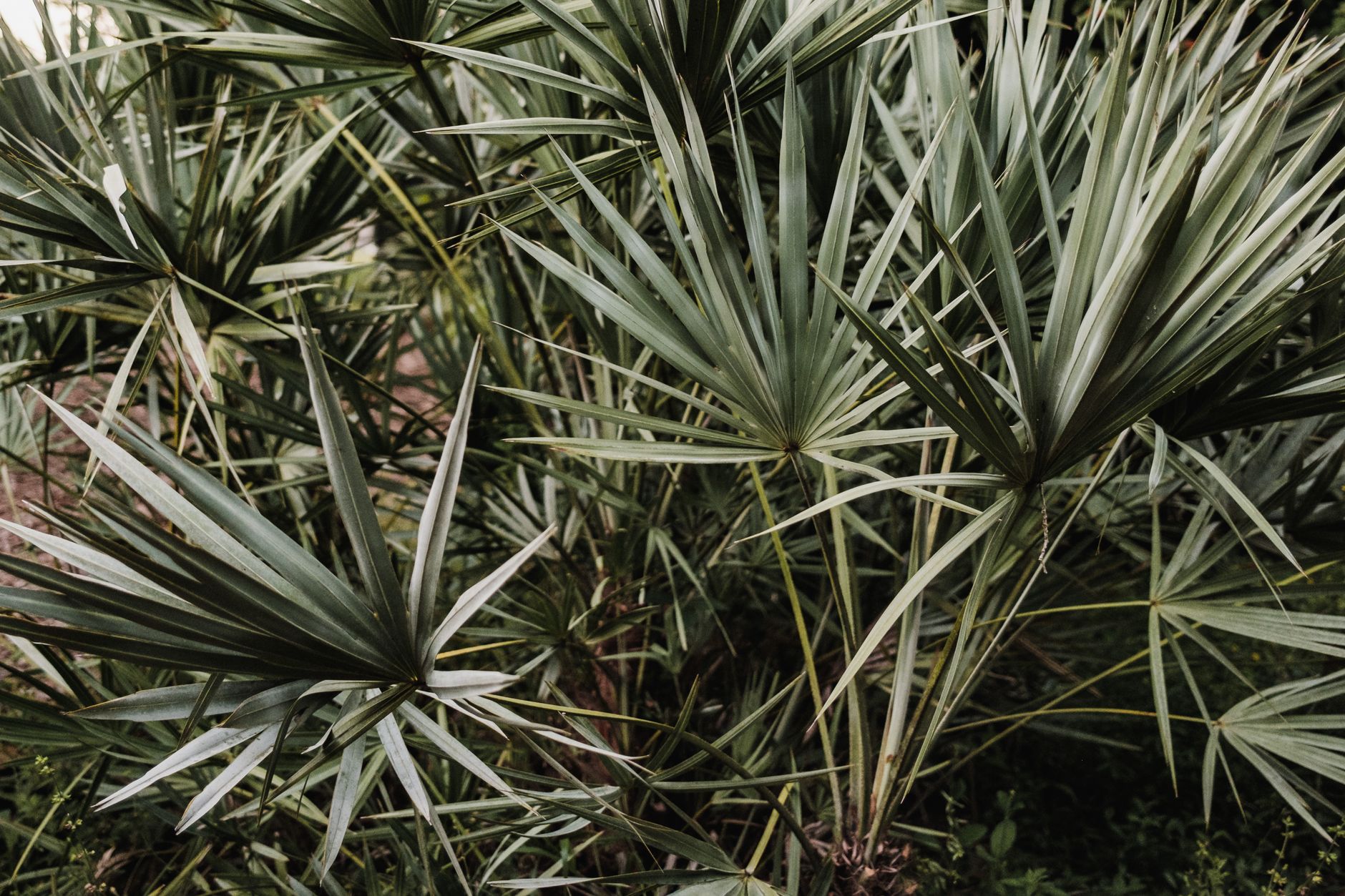
What Is Saw Palmetto and Why Is Everyone Talking About It? Tucked away in the sandy coastal plains of the southeastern United States, a small, scrubby palm grows quietly but powerfully. Saw palmetto ( Serenoa repens ) is one of North America's oldest medicinal plants, and for good reason — its deep berry-red fruits have been valued for centuries as a potent healer. Today, saw palmetto is one of the most widely purchased herbal supplements in the world. Whether you've heard about it from a healthcare practitioner, a wellness blog, or a curious friend, chances are you're wondering what all the fuss is about. The answer, as you're about to discover, is quite a lot. A Rich History: How Traditional Cultures Used Saw Palmetto Long before modern herbalism entered the picture, Indigenous peoples of the southeastern United States — particularly the Seminole people of Florida — relied on saw palmetto berries as a staple food and a medicine. They understood intuitively what researchers would later confirm: these small, dark fruits carry powerful therapeutic properties. By the late 1800s, American Eclectic physicians — a movement of botanically minded healers who blended Indigenous plant wisdom with emerging Western medicine — had formally adopted saw palmetto into their pharmacopoeia. They used it primarily to support the urinary tract, the reproductive organs, and what they called "wasting conditions," essentially states of physical depletion and low vitality. European herbalists adopted it eagerly in the 20th century, particularly in Germany and France, where standardized saw palmetto extract became a mainstream recommendation for prostate health. Today, it remains one of the most clinically studied herbal supplements available. Its journey from swamp berry to global supplement is a testament to just how enduring and versatile this remarkable plant truly is. Saw Palmetto Benefits: What Science and Tradition Agree On When people search for saw palmetto benefits , they typically find a fairly consistent story — one that aligns beautifully with centuries of traditional use. Here's what this herb is best known for. Prostate and Urinary Support This is perhaps the most well-known application. Saw palmetto has been extensively studied for its ability to support a healthy prostate gland and ease urinary symptoms associated with benign prostatic hyperplasia (BPH). It is thought to work by inhibiting the enzyme 5-alpha-reductase, which converts testosterone into dihydrotestosterone (DHT) — a hormone implicated in prostate enlargement. Many men report improvements in urinary flow, reduced frequency of nighttime bathroom visits, and a general sense of ease in the lower abdomen after incorporating saw palmetto into their routine. Hormonal Balance Because of its influence on DHT and other androgens, saw palmetto has a gentle, balancing effect on hormone levels. This is relevant for both men and women, though in different ways — which we'll explore in depth shortly. Anti-Inflammatory Properties Saw palmetto contains a rich array of fatty acids and phytosterols that have demonstrated meaningful anti-inflammatory activity. Chronic low-grade inflammation is at the root of many modern health concerns, making this property particularly valuable. Antioxidant Activity The berries are also a source of antioxidants, compounds that protect cells from oxidative stress and support long-term vitality. This contributes to saw palmetto's broader reputation as a general tonic herb. Saw Palmetto Benefits for Women: A Conversation Worth Having When most people think of saw palmetto, they think of men's health. But saw palmetto benefits for women are real, significant, and increasingly recognized. Many women dealing with hormonal imbalances — particularly those with elevated androgens — find saw palmetto to be a gentle ally. Conditions like polycystic ovary syndrome (PCOS), which often involves elevated DHT levels, may respond positively to this herb's DHT-inhibiting action. Some women also use saw palmetto for women's hair thinning concerns, particularly when that thinning appears to be hormonally driven. Given that androgenic alopecia affects women as well as men, the logic is sound and the anecdotal evidence is compelling. Additionally, women going through perimenopause or menopause sometimes find that saw palmetto helps smooth out some of the hormonal turbulence of that transition — though it's always wise to work with a knowledgeable healthcare provider when navigating hormonal changes. It's also worth noting: saw palmetto for women is generally considered safe, but because of its hormonal activity, pregnant or breastfeeding women are advised to avoid it. Always consult with a qualified practitioner if you have any concerns. Saw Palmetto for Men: Supporting Vitality at Every Age For men, the conversation around saw palmetto for men is both long-standing and well-supported. Beyond prostate health, men turn to this herb for a variety of reasons. Hair loss is a significant one. Saw palmetto for hair loss in men has garnered real scientific attention, with several studies suggesting it may rival the efficacy of finasteride (a pharmaceutical DHT blocker) for androgenic hair loss — and with considerably fewer side effects. Some men also report that saw palmetto supports their overall energy and vitality , particularly as they age and natural testosterone metabolism shifts. While it doesn't function as a testosterone booster per se, its ability to modulate DHT conversion may help maintain a healthier hormonal environment. Libido, mood, and physical endurance are all areas where hormonal balance plays a crucial role. For men looking to support their health holistically, saw palmetto for men is frequently a first recommendation from naturopathic doctors and integrative physicians alike. Saw Palmetto for Hair: What You Need to Know Hair loss is emotionally charged for many people, and the search for natural solutions is intense. Saw palmetto for hair has emerged as one of the most promising botanical options available. The mechanism is the same as its prostate benefits: by blocking 5-alpha-reductase and reducing DHT at the follicle level, saw palmetto may help slow or even partially reverse androgenic hair loss — the kind caused by hormonal sensitivity in hair follicles. Saw palmetto for hair can be used both internally (as a supplement) and topically (in shampoos or scalp serums). Many integrative dermatologists recommend a combination approach for best results. It's important to set realistic expectations — saw palmetto is not a miracle cure, and results tend to be gradual. Most people who see improvement notice it after three to six months of consistent use. Patience and consistency are key. Pairing saw palmetto and pumpkin seed oil is a combination that has gained popularity in recent years, and for good reason. Both herbs have demonstrated DHT-inhibiting properties in research, and they appear to work synergistically. Some studies on pumpkin seed oil for hair loss have shown impressive results, and combining it with saw palmetto may amplify the benefits. How to Prepare and Use a Saw Palmetto Supplement One of the great things about saw palmetto is how versatile it is as a saw palmetto supplement . It comes in several forms, each with its own advantages. Standardized liposterolic extract (capsules or softgels): This is the most clinically studied form. Look for products standardized to contain 85–95% fatty acids and sterols. A typical dose is 160 mg twice daily or 320 mg once daily. Tincture (liquid extract): A traditional and effective option, tinctures allow for easy dose adjustment and tend to be absorbed quickly. They can be taken in water, juice, or tea. Whole dried berry powder: A less concentrated option, but some herbalists prefer whole-plant preparations for their full spectrum of constituents. Topical preparations: Shampoos, serums, and oils infused with saw palmetto extract are increasingly available for hair-specific use. When choosing a saw palmetto supplement , quality matters enormously. Look for products that are third-party tested, sourced from reputable suppliers, and clearly labeled with standardization information. The difference between a high-quality extract and a poorly processed product can be substantial. Tea made from saw palmetto berries is occasionally mentioned in traditional herbalism, though it's worth noting that the active fatty acid compounds are not very water-soluble — meaning oil-based or alcohol-based preparations tend to be more therapeutically effective. Saw Palmetto Side Effects and Safety Considerations No wellness conversation is complete without an honest look at safety. The good news is that saw palmetto side effects are generally mild and uncommon when the herb is used appropriately. The most frequently reported issues include: Mild gastrointestinal upset (nausea or stomach discomfort, particularly when taken on an empty stomach) Headache in some individuals Dizziness, occasionally Taking saw palmetto with food typically reduces any digestive sensitivity. Serious adverse effects are rare and usually associated with excessive doses. Because of its hormonal activity, saw palmetto is not recommended for pregnant or breastfeeding women , and those with hormone-sensitive conditions should consult a healthcare provider before use. It may also interact with blood-thinning medications, so if you are on anticoagulant therapy, a conversation with your doctor is essential. Overall, saw palmetto has an excellent safety profile for most adults. It has been used by millions of people worldwide with very few serious concerns reported in the literature. Saw Palmetto and Holistic Wellness: Finding Your Rhythm In wellness practices, saw palmetto fits naturally into a broader holistic approach. It pairs well with other supportive herbs and nutrients — saw palmetto and pumpkin seed oil being one popular combination, as mentioned earlier. Zinc, nettle root, and beta-sitosterol are other common companions in men's hormonal health protocols. For women, saw palmetto often appears alongside herbs like spearmint, licorice root, and vitex (chaste tree) in formulas designed to gently balance androgens and support hormonal harmony. Self-care rituals matter too. Stress reduction, adequate sleep, regular movement, and a nutrient-dense diet all create the conditions in which herbs like saw palmetto can do their best work. Think of herbal supplementation not as a standalone fix, but as one beautiful thread in a larger tapestry of wellness. Listening to your body, working with knowledgeable practitioners, and giving herbal remedies adequate time to work — usually at least two to three months — are all essential parts of a thoughtful herbal practice. Bring Saw Palmetto Into Your Wellness Ritual If you're feeling called to explore what saw palmetto can offer you, we'd love to support you on that journey. Societe has carefully sourced a high-quality saw palmetto supplement that you can explore at societeapothecary.com/product/saw-palmetto/ — crafted with the integrity and care you deserve. Your wellness journey is uniquely yours, and we're honored to be a small part of it. Three Saw Palmetto Recipes to Try at Home Saw Palmetto Herbal Tea 1 tablespoon dried saw palmetto berries 1 teaspoon dried chamomile flowers 2 cups filtered water Honey or lemon to taste (optional) In a small saucepan, bring the filtered water to a gentle boil. Add the saw palmetto berries and chamomile flowers to the boiling water. Reduce heat and let the mixture simmer for 10 minutes. Strain the tea into a mug, sweeten with honey or lemon if desired, and enjoy a soothing herbal brew. Saw Palmetto and Rosemary Hair Rinse 2 tablespoons dried saw palmetto berries 1 tablespoon dried rosemary 4 cups water In a pot, combine the saw palmetto berries, rosemary, and water. Bring the mixture to a boil, then reduce heat and simmer for 20 minut