Sassafras: The Ancient Root with a Rich Herbal Legacy
Société Team
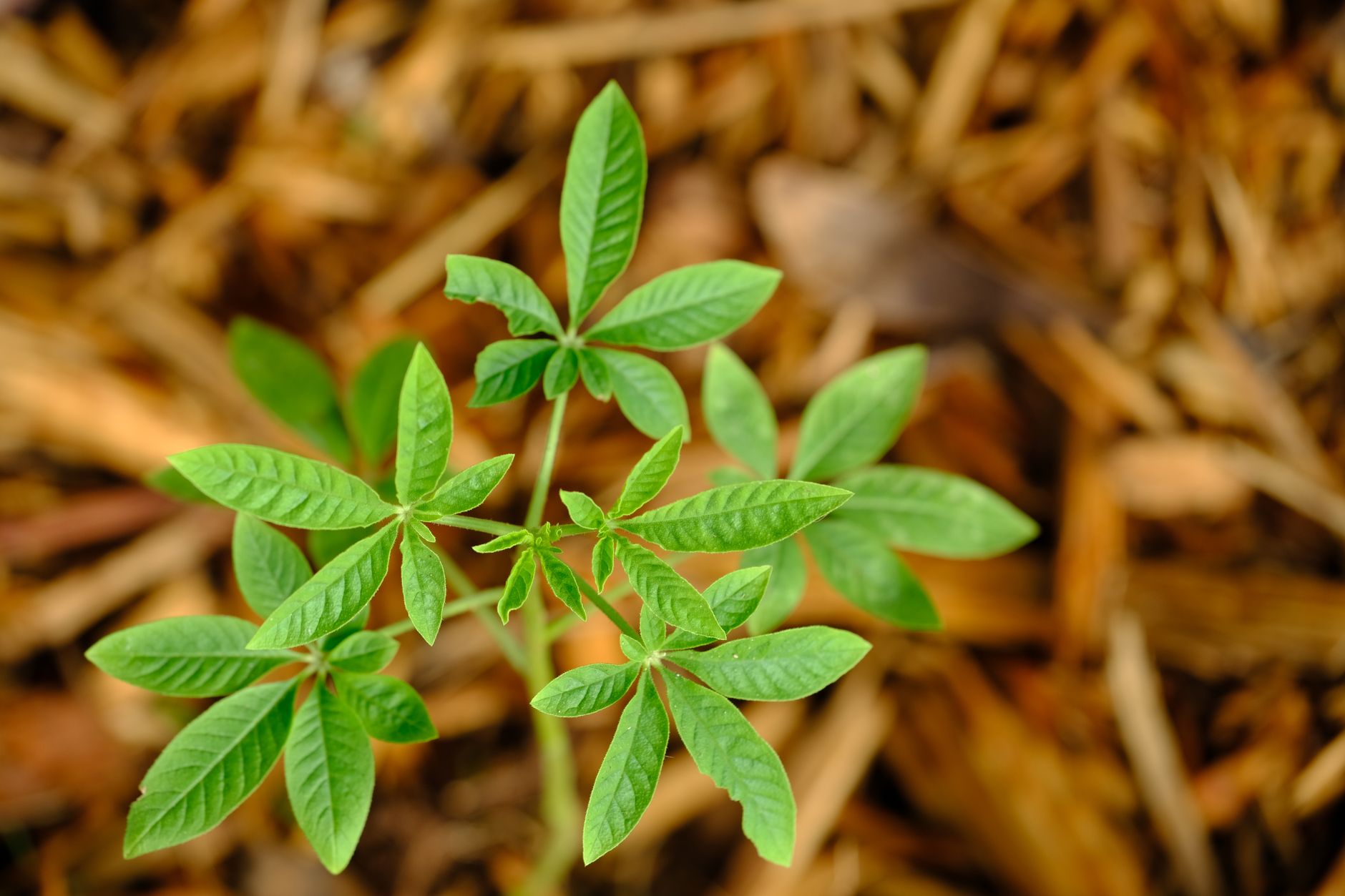
What Is Sassafras? Getting to Know This Storied Plant If you've ever caught a whiff of something warm, woody, and faintly sweet in the forest, you may have brushed past a sassafras tree without even knowing it. Native to eastern North America and parts of Asia, Sassafras albidum is one of those rare plants that seems to exist at the crossroads of folklore, culinary history, and herbal tradition. The sassafras plant is easy to recognize once you know what to look for. Its leaves come in three distinct shapes — oval, mitten-shaped, and three-lobed — all on the same tree, which makes it a favorite curiosity for nature walkers. Beyond its visual charm, every part of the sassafras plant carries that signature spicy, root-beer-like fragrance. The bark, roots, leaves, and twigs all hold aromatic compounds that have made this tree deeply meaningful across cultures and centuries. The Rich Cultural and Historical Meaning of Sassafras The sassafras meaning stretches far beyond the botanical. Indigenous peoples across North America — including the Cherokee, Choctaw, and Iroquois nations — used sassafras root and bark for a wide range of purposes long before European settlers arrived. Native healers prepared sassafras as a spring tonic, believing it cleansed the blood after long winters. It was also used to address fever, pain, and skin conditions, and the leaves were dried and powdered to make filé powder, a key ingredient in Creole and Cajun cooking that thickens gumbo to this day. When European explorers reached the Americas in the 16th and 17th centuries, sassafras became one of the continent's first major exports. It was hailed as a near-miraculous cure in Europe, and demand for sassafras root drove early trade across the Atlantic. While those lofty claims were overstated, the plant's cultural and practical importance was very real. Sassafras Root Beer: A Flavor That Shaped American Culture Few flavors are as distinctly American as sassafras root beer . The original root beer recipes from the 18th and 19th centuries were brewed using the root bark of the sassafras tree, which gave the drink its characteristic warm, anise-like sweetness. Homemade root beers were common in rural households, often fermented lightly and enjoyed as a refreshing tonic. Pharmacies and general stores began selling commercially made versions in the late 1800s, and root beer became a beloved staple of American culture. In 1960, the FDA banned the use of sassafras oil in commercially sold foods and beverages after studies in lab animals raised concerns about safrole, the primary aromatic compound in the oil. Today, commercially produced root beer is flavored with artificial sassafras flavoring or safrole-free sassafras extract — but the spirit of that original root lives on in the taste. Understanding Sassafras Oil and Safrole: What You Need to Know Sassafras oil , extracted mainly from the roots and root bark, is rich in a compound called safrole. It is this compound that sits at the center of most modern conversations about sassafras safety. Safrole was classified as a potential carcinogen after high-dose studies in rodents. As a result, the FDA banned safrole and sassafras oil from food use in the United States. This is also the reason sassafras is sometimes referred to in discussions about the sassafras drug connection — safrole can be chemically converted into MDMA, which has led to its regulation in many countries. It's important to understand the context here. The amounts of safrole found in traditionally prepared sassafras tea are far lower than the quantities used in laboratory studies. Occasional, moderate consumption of sassafras tea made from the root bark is generally considered low-risk by many herbalists , though it is always wise to consult a healthcare provider before adding any herb to your routine, especially if you are pregnant, nursing, or managing a health condition. Sassafras Benefits: What Traditional Use and Early Research Suggest When we talk about sassafras benefits and side effects , it helps to look at the whole picture — honoring both the traditional wisdom that has surrounded this plant for generations and the cautions that modern science has introduced. Traditional herbalists and indigenous healers attributed a broad range of benefits to sassafras, many of which remain areas of interest: Anti-inflammatory properties — sassafras root has been used historically to ease joint pain and swelling, and some research suggests it may have mild anti-inflammatory activity Antimicrobial qualities — sassafras oil has demonstrated antimicrobial effects in laboratory studies, which may explain its traditional use in wound care Diuretic action — sassafras has long been used as a gentle diuretic, supporting kidney function and reducing water retention Skin health — topical applications were traditionally used to soothe insect bites, rashes, and skin irritations Digestive support — the warming, aromatic nature of sassafras made it a go-to remedy for bloating and sluggish digestion These uses reflect centuries of practical wisdom passed down through generations of herbalists and healers. While modern clinical trials on sassafras are limited, the plant's long history of use gives herbalists and wellness enthusiasts good reason to continue exploring it thoughtfully. How to Prepare Sassafras Tea the Traditional Way One of the most beloved ways to enjoy this plant is a simple cup of sassafras tea . The process is wonderfully straightforward and deeply aromatic — the kind of ritual that slows you down and connects you to something ancient. Here's a traditional approach to preparing sassafras root tea: Start with dried sassafras root bark — this is the most commonly used and most aromatic part of the plant Add about one teaspoon of dried root bark to two cups of cold water in a small saucepan Bring to a gentle boil, then reduce the heat and simmer for 10 to 15 minutes Strain well and pour into your favorite mug Sweeten with honey or a splash of maple syrup if desired The resulting tea is a warm, reddish-orange brew with a flavor that is deeply familiar — earthy, slightly sweet, and spiced with that unmistakable sassafras character. Sipping it feels like drinking a piece of American herbal history. Many people enjoy sassafras tea as an occasional seasonal beverage, following in the tradition of spring tonics used by generations before us. Moderation is key — most herbalists recommend enjoying it as a periodic treat rather than a daily staple. Sassafras in the Modern Wellness World Despite the regulatory attention it has received, the sassafras plant continues to hold a meaningful place in herbal wellness culture. Herbalists who work with traditional plant medicine often keep sassafras in their toolkit, particularly for its warming, stimulating energy. In terms of its energetic qualities, sassafras is considered a warming and moving herb — it is used to get things flowing, whether that means circulation, digestion, or lymphatic activity. This quality made it a spring tonic for indigenous peoples and early American settlers alike, and it resonates with modern herbalists who think about plants in terms of their energetic actions. Sassafras is also gaining renewed attention in the context of whole-herb preparations, where the full spectrum of plant compounds — not just isolated safrole — is considered. Many herbalists argue that the whole root bark, used in small amounts, is a different proposition than concentrated sassafras oil, and that context matters enormously in herbal practice. Whether you are drawn to sassafras for its historical resonance, its warming flavor, or its traditional applications, it fits beautifully into a thoughtful, seasonal approach to herbal wellness. Sassafras Benefits and Side Effects: Practicing Mindful Herbal Use As with any herb, understanding both the gifts and the cautions of sassafras helps you engage with it wisely and respectfully. Here is a balanced look at what to keep in mind: Avoid during pregnancy and breastfeeding — sassafras has historically been used to stimulate menstruation, which means it is contraindicated during pregnancy Limit frequency of use — because of the safrole content, most herbalists recommend occasional rather than daily use Choose whole-root preparations over concentrated oils — root bark tea is far milder than sassafras essential oil, which should not be consumed internally Consult your healthcare provider — especially if you are taking medications or managing a chronic health condition With these simple precautions in mind, many people find that sassafras can be a genuinely enjoyable and meaningful part of their herbal practice. The key, as always, is informed, mindful use. Herbal wellness is not about chasing miracle cures — it is about developing a relationship with plants that is grounded in respect, knowledge, and intention. Sassafras, with its long and layered history, invites exactly that kind of thoughtful engagement. Explore Sassafras with Societe If you are ready to experience the warmth and rich tradition of this remarkable root for yourself, Societe is here to help you do it beautifully. We invite you to explore our thoughtfully sourced sassafras offering at societeapothecary.com/product/sassafras/ and bring a little piece of herbal history into your home. At Societe, we believe that connecting with plants like sassafras is one of the most grounding and nourishing things you can do for your wellbeing. Come explore, brew a cup, and let this ancient root tell you its story. Three Sassafras Recipes to Try at Home Soothing Sassafras Tea 1 tablespoon dried sassafras root 2 cups water Honey or lemon (optional) In a small saucepan, bring the water to a gentle boil. Add the dried sassafras root to the boiling water. Reduce heat to low and let it simmer for about 10-15 minutes. Strain the tea into a mug and sweeten with honey or a splash of lemon if desired. Enjoy it warm, embracing the comforting aroma and flavor. Sassafras-Infused Simple Syrup 1 cup water 1 cup sugar 3 tablespoons dried sassafras root Combine water and sugar in a saucepan over medium heat, stirring until the sugar dissolves. Add the sassafras root and bring the mixture to a gentle simmer. Let it simmer for 15-20 minutes, allowing the flavors to meld. Remove from heat and strain the syrup to remove the root pieces. Let it cool and store in a clean glass bottle in the fridge for up to two weeks. This syrup adds a unique touch to cocktails or mocktails. Aromatic Sassafras Foot Soak 1/4 cup dried sassafras root 4 cups water 1 tablespoon Epsom salt A few drops of lavender essential oil (optional) Boil the water in a large pot and add the dried sassafras root. Reduce heat and let it simmer for 20 minutes, then strain the liquid into a basin. Add Epsom salt and stir until dissolved. If desired, add a few drops of lavender essential oil for extra relaxation. Soak your feet in the warm, aromatic infusion for 15-20 minutes. Before using sassafras, consult a qualified healthcare practitioner, especially if pregnant, nursing, or on medication.