Sarsaparilla: Ancient Root, Timeless Herbal Wisdom
Société Team
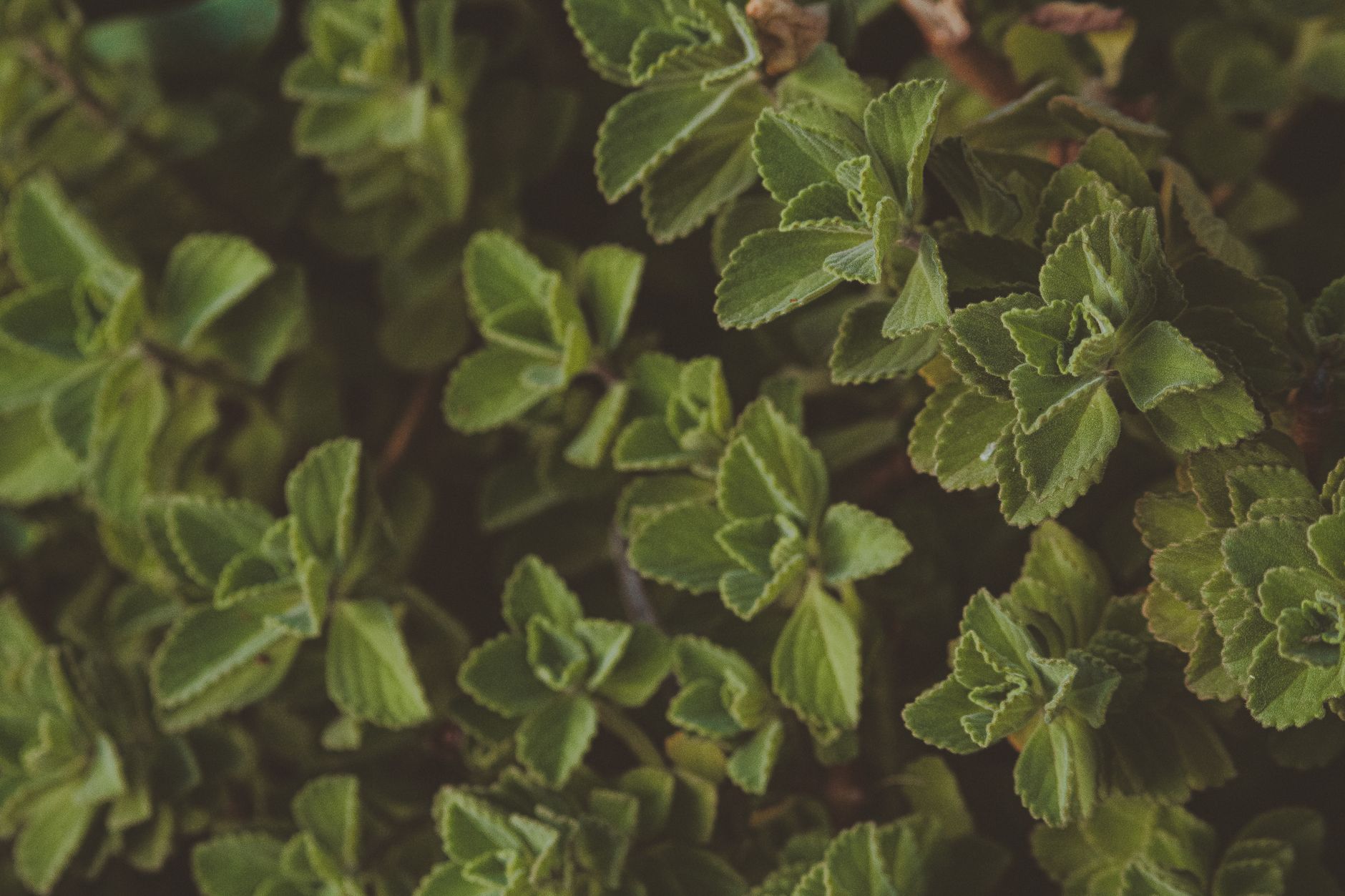
Few herbs carry the same mysterious allure as sarsaparilla. With roots literally and figuratively entwined in centuries of healing tradition, this climbing vine has traveled from the jungles of Central and South America to European apothecaries and North American herbal dispensaries — leaving a remarkable legacy wherever it went. Traditional herbalists have long reached for sarsaparilla when the body needed a deep, foundational reset. Its reputation as a blood purifier , hormonal ally, and anti-inflammatory agent has persisted across cultures, continents, and centuries of herbal wisdom. > "Sarsaparilla is among the great alteratives — a root that moves slowly but surely, clearing the terrain upon which health must be built." > — Traditional Herbalist Saying MATERIA MEDICA Scientific Name: Smilax regelii (and related species including Smilax ornata , Smilax officinalis ) Common Names: Sarsaparilla, Honduran sarsaparilla, Jamaican sarsaparilla, Red sarsaparilla, Zarzaparrilla Family: Smilacaceae Parts Used: Root, rhizome Sarsaparilla is a woody, perennial climbing vine characterized by its long, fibrous roots that can extend several feet into the earth. The vine features glossy, heart-shaped to ovate leaves with prominent parallel veins and is equipped with paired tendrils that allow it to climb surrounding vegetation. The stems are often thorny or prickled, giving the plant a wild, assertive character that mirrors its bold medicinal actions. Small greenish-white flowers appear in umbrella-like clusters, eventually producing dark berries. It is the long, reddish-brown roots — dense with medicinal compounds — that herbalists prize most. Habitat and Botanical Origins Sarsaparilla thrives in tropical and subtropical regions, particularly in Central America, South America, the Caribbean, and parts of Mexico . It favors humid, lowland rainforest environments and tends to grow along riverbanks and in forest clearings where it can climb toward available light. Different species carry regional names — Jamaican, Honduran, and Mexican sarsaparilla being among the most widely recognized in commerce. Each variety shares similar botanical characteristics and medicinal properties, though subtle differences in constituent profiles exist depending on growing region and soil conditions. The plant's deep root system allows it to draw minerals and compounds from rich, layered tropical soils — a quality that many herbalists believe contributes to its exceptional nutritive and tonic nature. Harvest and Collection Sarsaparilla root is typically harvested from mature plants that have been growing for at least two to four years. Wild-harvested roots are prized for their potency, though ethically sourced and responsibly cultivated material is increasingly preferred as wild populations face pressure from overforaging. Harvest generally takes place in autumn or early spring , when the plant's energy is concentrated in the root rather than dispersed into leaf and flower growth. The long, fibrous roots are carefully dug, cleaned, and then dried slowly at low temperatures to preserve volatile constituents. Properly dried sarsaparilla root has a slightly sweet, earthy, and faintly bitter aroma. It can be stored whole or cut and sifted for use in teas, tinctures, and preparations. Qualities, Energetics, and Actions Qualities: - Warming to neutral in thermal nature - Slightly moist - Grounding and deeply nourishing Energetics: In traditional herbal frameworks, sarsaparilla is considered a grounding, strengthening root that works on a foundational level. Its energetic properties align it with the territory of deep cleansing — not a surface-level clearing, but a thorough, sustained movement through the body's tissues and fluids. In Ayurvedic-adjacent traditions, sarsaparilla is seen as balancing to excess heat and stagnation, gently cooling inflammation while simultaneously building vitality. In traditional Western herbalism, it belongs to the class of alteratives — herbs that gradually shift the body's metabolic terrain toward greater health and resilience. Actions: - Alterative (blood purifier) - Anti-inflammatory - Diuretic - Diaphoretic (promotes healthy sweating) - Adaptogenic (supportive of stress response) - Hormonal modulating - Hepatoprotective (liver-supportive) - Nutritive tonic - Antimicrobial Chemical Constituents The medicinal power of sarsaparilla lies in its remarkably rich phytochemical profile. Key constituents include: Steroidal saponins — including sarsasapogenin, smilagenin, sitosterol, and stigmasterol; these compounds are structurally similar to human steroid hormones and are believed to support hormonal balance Phytosterols — beta-sitosterol and stigmasterol, known for their anti-inflammatory and cholesterol-modulating effects Flavonoids — with antioxidant and anti-inflammatory properties Resin and volatile oils — contributing to the root's aromatic and antimicrobial character Minerals — including iron, manganese, sodium, and zinc Polyphenols — supporting systemic antioxidant defense Parillin and sarsaparilloside — saponin glycosides with strong surface-active properties The steroidal saponins deserve particular attention. While they are not hormones themselves, they appear to support the body's own hormone-producing mechanisms , making sarsaparilla a useful ally for conditions linked to hormonal imbalance. Traditional Uses and Indications Sarsaparilla's traditional uses span an extraordinary range of cultures. Indigenous peoples of Central and South America used it for skin conditions, joint pain, and as a general tonic for sexual vitality and stamina. It was introduced to European medicine in the 16th century, where it became a prized treatment for chronic skin diseases, rheumatic complaints, and was famously used as part of protocols for syphilis — a testament to its powerful alterative and antimicrobial reputation. In North American herbal wisdom, sarsaparilla gained a place in both formal dispensatories and folk medicine cabinets as a premier blood cleanser and liver tonic. It became a foundational ingredient in root beer (the original formulas, not today's commercial versions) for its flavor and its perceived health-giving properties. Primary indications include: - Chronic skin conditions such as eczema, psoriasis, and acne - Rheumatic and arthritic joint pain - Hormonal imbalances, including low libido and menopausal symptoms - Urinary tract support and kidney cleansing - Liver congestion and sluggish detoxification - Inflammatory conditions throughout the body - General debility and lack of vitality - Supporting the body during periods of metabolic cleansing Herbalists often reach for sarsaparilla as part of a longer-term protocol rather than a quick-fix remedy. Its alterative nature means it works best when given consistent, sustained use over weeks or months . Recipes for Home Use Recipe 1: Sarsaparilla Root Decoction Tea A simple, grounding decoction is the most traditional way to work with sarsaparilla root. This preparation extracts the deeper, more mineral-rich constituents effectively. Ingredients: - 1 tablespoon dried sarsaparilla root, cut and sifted - 2 cups filtered water - Optional: a small cinnamon stick or a few slices of fresh ginger for added warmth - Optional: raw honey or maple syrup to taste Preparation: 1. Combine sarsaparilla root and water (plus optional cinnamon or ginger) in a small saucepan. 2. Bring to a gentle boil over medium heat. 3. Reduce heat and simmer, covered, for 20–25 minutes. 4. Strain through a fine mesh strainer or cheesecloth. 5. Sweeten lightly if desired and drink warm, 1–2 cups per day. 6. Store leftover decoction in the refrigerator for up to 48 hours and gently reheat before drinking. This tea is best enjoyed as a daily ritual over four to six weeks for deeper alterative benefits. --- Recipe 2: Sarsaparilla Tincture A tincture offers a concentrated, shelf-stable way to incorporate sarsaparilla into your daily routine — ideal for those who want the benefits without preparing a decoction every day. Ingredients: - 1 cup dried sarsaparilla root, cut and sifted - 2 cups 80-proof vodka or food-grade vegetable glycerin (for an alcohol-free version) - A clean glass jar with a tight-fitting lid Preparation: 1. Place sarsaparilla root into a clean, dry glass jar. 2. Pour the vodka (or glycerin) over the root, ensuring it is fully submerged by at least one inch of liquid. 3. Seal the jar tightly and label it with the date and contents. 4. Store in a cool, dark place and shake the jar once daily for four to six weeks. 5. After the maceration period, strain the liquid through cheesecloth, pressing the root material firmly to extract all liquid. 6. Transfer to small amber dropper bottles for storage. 7. Suggested use: 30–40 drops in a small amount of water or juice, two to three times daily. The finished tincture will keep for up to three years when stored in a cool, dark location. --- Recipe 3: Sarsaparilla Root Beer–Style Syrup This warming, aromatic syrup honors sarsaparilla's long culinary history and makes a delicious functional beverage base. Stir into sparkling water for a nourishing, gut-friendly drink. Ingredients: - 2 tablespoons dried sarsaparilla root - 1 tablespoon dried licorice root - 1 teaspoon dried ginger root - 1/2 teaspoon vanilla extract - 3 cups filtered water - 1 cup raw cane sugar or coconut sugar Preparation: 1. Combine sarsaparilla root, licorice root, and ginger in a saucepan with the water. 2. Bring to a boil, then reduce heat and simmer for 25 minutes until the liquid reduces by roughly one-third. 3. Strain out the plant material and return the liquid to the pan. 4. Add the sugar and stir over low heat until fully dissolved. 5. Remove from heat and stir in the vanilla extract. 6. Allow to cool completely before transferring to a glass bottle or jar. 7. To serve: Mix 2–3 tablespoons of syrup with 8 ounces of sparkling water over ice. 8. Store refrigerated for up to three weeks. This syrup also works beautifully drizzled over oatmeal, stirred into warm nut milk, or used as a base for mocktails. A Root Worth Knowing Sarsaparilla is one of those rare herbs that rewards patience. Its deep, sustained action on blood, lymph, liver, and hormonal systems makes it a cornerstone of any serious long-term wellness practice. Whether you are drawn to it for skin health, joint support, hormonal balance, or simple vitality, this ancient root has something meaningful to offer. Its place in global herbal wisdom is well-earned — not through flashy, fast-acting effects, but through the kind of quiet, steady transformation that only a deeply rooted plant can provide. Explore Sarsaparilla for Yourself If sarsaparilla feels like the right ally for your wellness journey, we invite you to explore what we have available at Societe. You can find high-quality sarsaparilla root ready for your home preparations at societeapothecary.com/product/sarsparilla/ . We would love to support you in bringing this remarkable root into your daily herbal practice.