Sage: Materia Medica
Société Apothecary
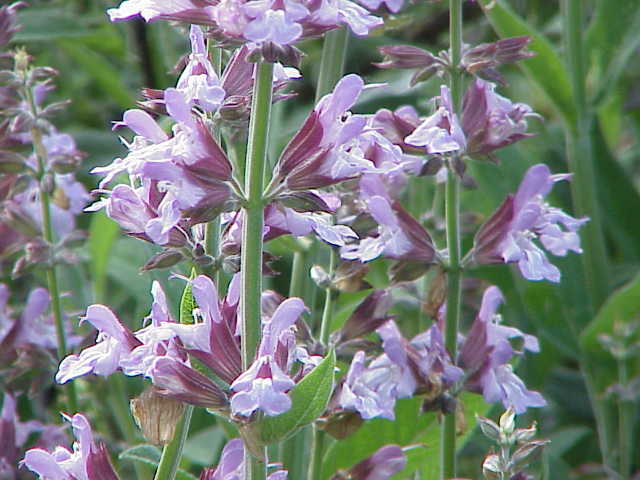
Sage SUMMARY Tulsi ( Ocimum sanctum ), also known as Holy Basil, is a sacred plant in the Hindu religion. Hindus regard it as an earthly manifestation of the goddess Tulasi. In sanskrit, tulsi means “beyond compare”. It is also referred to as Queen of Herbs. MATERIA MEDICA Latin Binomial: Ocimum sanctum, O. tenuiflorum, O, gratissimum Common Name(s) : Tulsi, Tulasi, Holy Basil TCM Name : n/a Ayurvedic Name : Tulsi, Tulasi Family: Lamiaceae (mint family) Physical Description of the Plant: Holy basil is an erect, multi-branched subshrub, 12–24 in. tall with the characteristic square stem and opposite leaves of the mint family. The strongly scented.leaves are green or purple; simple, petioled , with an ovate , up to 2.0 inch-long blade, usually with a slightly toothed margin. The purplish flowers are placed in close whorls on elongate racemes . The two main morphotypes cultivated in India and Nepal are green-leaved ( Sri or Lakshmi tulasi ) and purple-leaved ( Krishna tulasi ). Habitat: Tulsi grows abundantly in India, Western Asia, Malaysia, Central and South America, and Puerto Rico. It prefers full sun with moderate water and fertile, well-drainied soils. In the temperate north it is grown as an annual, but is perennial in its native habitat. There are four varieties of Tulsi – Rama, Vana, Kapoor and Krishna. Each has its own unique flavor but all three are used interchangeably. Harvest and Collection: Harvest when the plant begins producing flowers. As with culinary basil, cutting the growing tips encourages a full bushy shape. Use fresh in tea or tincture, or dry on screens with good air circulation. Parts of the Plant Used: Aerial parts Qualities: In Ayurveda Holy basil is classified as a rasayana, an herb that nourishes a person’s growth to perfect health and promotes longevity. It calms the mind and promotes clarity of the present moment,sharpens all the senses,helps the body adapt to stress, and promotes energy and endurance by increasing the body’s ability to efficiently use oxygen. Energetics: slightly warming, pungent, sweet, bitter Chemical Constituents: Aldehydes Alkaloids Antistaphylocoagulase Ascorbic acid Beta-carotene Beta-sitosterol Alpha-ocimene Beta-ocimene Carvacrol Cineole Eugenol Glycosides Linalol Linoleic acid Linolenic acid Methyl-chavicol Mucilage Oleic acid Phenols Saponins Stearic acid Tannin Actions: Western: Adaptogen Analgesic Anthelmintic Antimicrobial Antioxidant Carminative Cardiovascular tonic Cerebral stimulant Expectorant Hepatoprotective Immunomodulating Neuroprotective Radioprotective Relaxing nervine Eastern: Promote stagnant digestion,treat stomach spasms, kidney conditions, promote an increase in blood circulation and aid in the treatment of snake and insect bites. Indications: menopausal cloudy thinking, poor memory, ADD/ADHD, recovery from head trauma, stress, anxiety, high blood pressure, high blood sugar, fungal infections, viral infections (colds and flu, herpes), depression, radiation exposure, ulcers, pain, allergic rhinitis, sport injury recovery, arthritis/bursitis. Contraindications/Cautions: Use with caution if taking insulin for diabetes; can lower fasting blood glucose significantly, adjust insulin accordingly. It is slightly blood thinning and should not be taken by those who are currently taking warfarin. Drug Interactions: May interact with medications that slow blood clotting (aspirin, warfarin, heparin). Dosage: Tincture : Best tinctured fresh, 40 – 60 drops of a 1:2 tincture, 2 – 3 times a day. Infusion: Can be infused fresh or dried. Steep 1 or 2 tsp of the leaf for 5-10 minutes, covered because of its high volatile oil content. Combinations: It can be combined with other cerebral stimulants such as rosemary , bacopa, and ginkgo. In Ayurveda, a formula that is balancing for all doshas is comprised of tulsi, arjuna and hawthorn. Folklore: Dating back hundreds of years, holy basil was originally known in India as tulsi, meaning “incomparable one”. This form of basil was commonly used in religious ceremonies and burials. It is also believed that holy basil will protect any home where it is grown. Tulsi is known to be the best herb for preparing the heart and mind for spiritual practices. Chinese medicine adopted this sacred herb and further established its functional uses. Tulsi has only recently become well known all over the world, but it has always been a cornerstone of Ayurvedic