Rosemary: Materia Medica
Société Apothecary
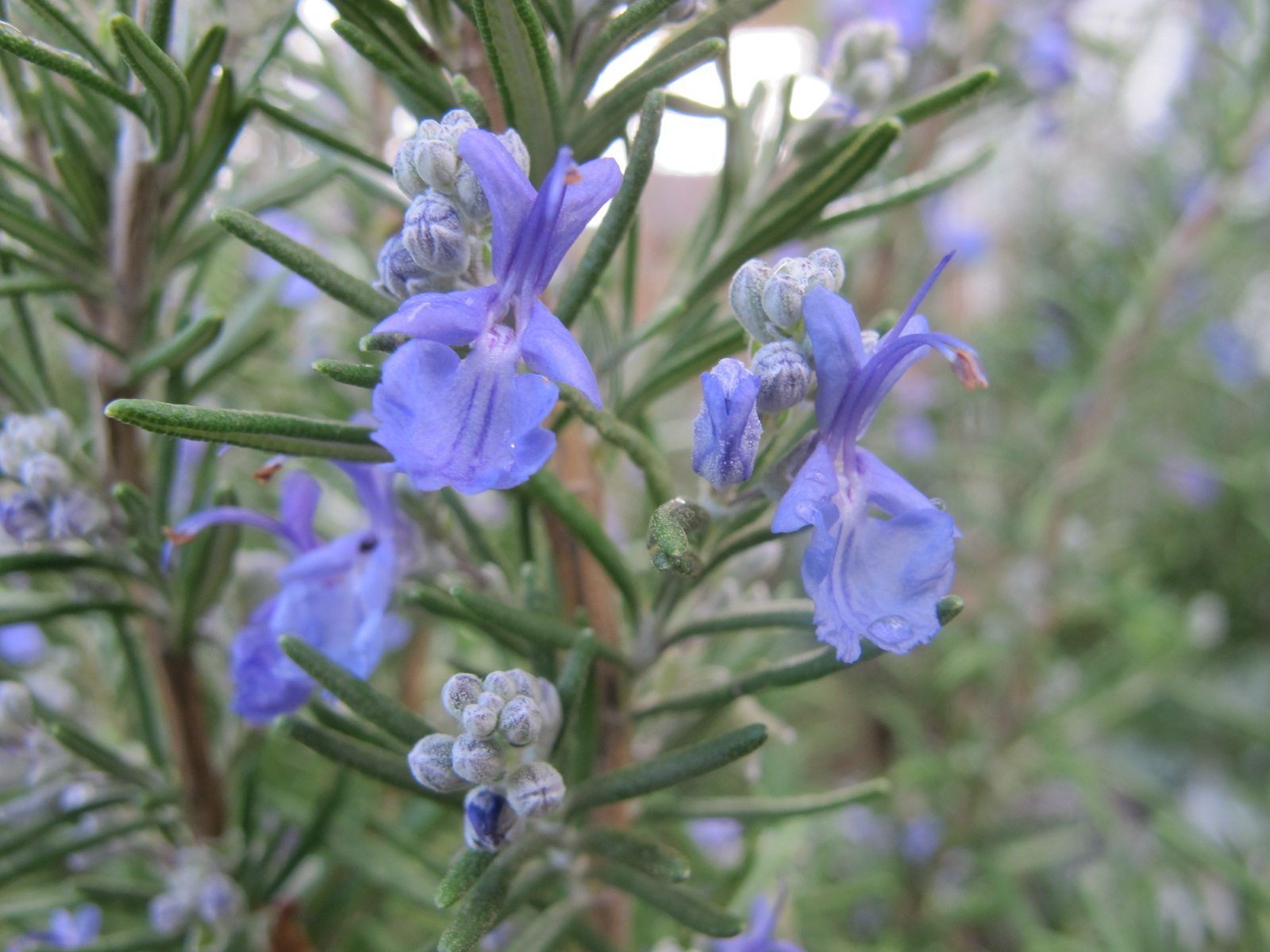
Rosemary is a vibrant, aromatic herb with an ancient soul—awakening the senses, sharpening the mind, and warming the spirit. Long honored as a symbol of remembrance, protection, and vitality, this Mediterranean evergreen offers far more than culinary delight. It invigorates the circulation, uplifts the mood, stimulates digestion, and clears mental fog. Whether brewed into tea, infused in oil, or burned as incense, Rosemary is a potent ally for clarity, strength, and sacred connection. “Rosemary stirs the blood, clears the mind, and calls back lost pieces of the soul—it remembers when we forget.” MATERIA MEDICA Latin Binomial: Rosmarinus officinalis (now Salvia rosmarinus ) Common Names: Rosemary TCM Name: Mi Die Xiang Ayurvedic Name: Rujamari , Gulmehndi Family: Lamiaceae (Mint family) Physical Description of the Plant A woody, perennial shrub with silvery-green, needle-like leaves and small blue, lavender, or white flowers. The leaves release a strong, pine-like fragrance rich in essential oils. Rosemary thrives in warm, sunny climates and can grow as a hedge or in pots. Habitat Native to the Mediterranean region and widely cultivated in temperate and subtropical climates around the world. Prefers full sun and well-drained, sandy soil. Harvest and Collection Harvest the leafy branches before flowering for highest volatile oil content. Can be used fresh or dried. The essential oil is distilled from the leaves and flowering tops. Parts of the Plant Used Leaves (fresh or dried), flowering tops, essential oil Qualities Aromatic, pungent, slightly bitter Energetics: Warming, drying, stimulating Key Actions Circulatory stimulant Cognitive enhancer Nervine tonic Carminative Antioxidant Antimicrobial Hepatoprotective Emmenagogue Astringent Chemical Constituents Essential oils (cineole, camphor, pinene, borneol) Rosmarinic acid Flavonoids Triterpenes (ursolic acid) Tannins Indications Poor circulation, cold hands and feet Mental fatigue, forgetfulness, foggy thinking Low mood or depression with lethargy Indigestion, bloating, sluggish liver Headaches (especially tension-type) Muscle aches and joint stiffness Dandruff and hair thinning Menstrual stagnation or amenorrhea Diagnostic Picture Rosemary is well-suited for individuals who are cold, sluggish, or foggy , both mentally and physically. It stimulates warmth, blood flow, and mental clarity. Energetically, it is dispersive and awakening—ideal when you feel dull, stuck, or uninspired. Contraindications & Cautions Avoid large doses during pregnancy due to its emmenagogue properties. Culinary use is safe. High doses may overstimulate those with hypertension or seizure disorders—use caution. Rosemary essential oil is potent —always dilute before topical use and avoid internal use unless under professional supervision. Drug Interactions May interact with anticoagulants or blood pressure medications. Essential oil may increase absorption of topical drugs. Dosage Tea (Infusion): 1 tsp dried leaves per cup, steep 10–15 minutes Tincture: 1–2 mL up to 3x/day Essential Oil (external): Dilute 3–5 drops per tablespoon carrier oil for massage Hydrosol: Used topically or aromatically for focus and skincare Combinations With Gingko or Gotu Kola for cognitive support With Ginger or Cayenne for warming circulation With Peppermint for headache and mental clarity With Lemon Balm for mood lifting and nervous tension With Milk Thistle for liver detox support Folklore & Historical Use In ancient Greece and Rome, Rosemary was a sacred herb of remembrance and protection—students wore garlands while studying, and sprigs were placed in the hands of the dead to ensure safe passage. It was burned in temples, woven into bridal wreaths, and hung in doorways to ward off illness and misfortune. Rosemary has long been associated with memory , love , and purification , used in rites of passage from birth to death. Shakespeare’s Ophelia says: “There’s rosemary, that’s for remembrance.” Applications Drink as a tea or tincture to stimulate digestion and mental clarity. Apply the diluted essential oil to aching muscles or the scalp for circulation and hair health. Burn or diffuse for purification and alertness. Rosemary makes a lovely addition to bath blends, oils, and herbal smudges. Recipes Memory & Focus Tea Rosemary Lemon Balm Gotu Kola Steep 1 tbsp blend per cup. Sip while studying or during brain fog. Stimulating Hair Oil Rosemary essential oil (5 drops) Jojoba or castor oil (2 tbsp) Massage into scalp 2–3x/week to stimulate hair growth and nourish roots. Warming Muscle Rub Rosemary essential oil Arnica-infused oil Beeswax (for balm texture) Relieves tension and cold, stiff joints. Scientific Research Modern studies support Rosemary’s neuroprotective , antioxidant , and cognitive-enhancing effects. Constituents like rosmarinic acid and carnosic acid have shown promise in protecting against oxidative stress and neurodegeneration. Clinical trials have also found benefit in memory, mood, and alertness—validating its traditional use as a herb for the mind. Closing Thoughts Rosemary is a time-honored herbal stimulant—awakening circulation, memory, and joy. Whether you’re clearing mental fog, easing cold limbs, or invoking sacred clarity, Rosemary is a plant that warms the heart and sharpens the mind with fragrant power. Explore our rosemary blends for brain, beauty, and spirit. Three Rosemary Recipes to Try at Home Rosemary Infused Olive Oil 1 cup extra virgin olive oil 3-4 fresh rosemary sprigs Rinse and thoroughly dry the rosemary sprigs to remove any dirt. Place the rosemary sprigs in a clean, dry jar. Pour the olive oil over the rosemary until fully submerged. Seal the jar tightly and store in a cool, dark place for 1-2 weeks. Strain the oil into a clean bottle, discarding the rosemary. This fragrant oil is perfect for drizzling over salads or dipping bread. Soothing Rosemary Bath Salts 1 cup Epsom salt 1/2 cup sea salt 2 tablespoons baking soda 2 tablespoons dried rosemary 10 drops rosemary essential oil In a large mixing bowl, combine the Epsom salt, sea salt, and baking soda. Add the dried rosemary and essential oil, stirring until well blended. Transfer the mixture to an airtight container. Add 1/2 cup of the bath salts to your bathwater for a relaxing soak. These bath salts can help ease muscle tension and invigorate tired spirits. Rosemary and Lemon Shortbread Cookies 1 cup unsalted butter, softened 1/2 cup sugar 2 cups all-purpose flour 1 tablespoon fresh rosemary, finely chopped Zest of 1 lemon Pinch of salt Preheat the oven to 350°F (175°C). Cream together the butter and sugar until light and fluffy. Stir in the flour, rosemary, lemon zest, and salt until a dough forms. Roll the dough into a log, wrap in plastic, and refrigerate for 30 minutes. Slice the chilled dough into 1/4-inch rounds and place on a baking sheet. Bake for 12-15 minutes until the edges are golden. These delightful cookies are perfect for afternoon tea or a simple treat. Always consult a qualified practitioner before using herbal remedies, especially if pregnant, nursing, or on medication.