Rose (Rosa spp.): Materia Medica
Société Apothecary
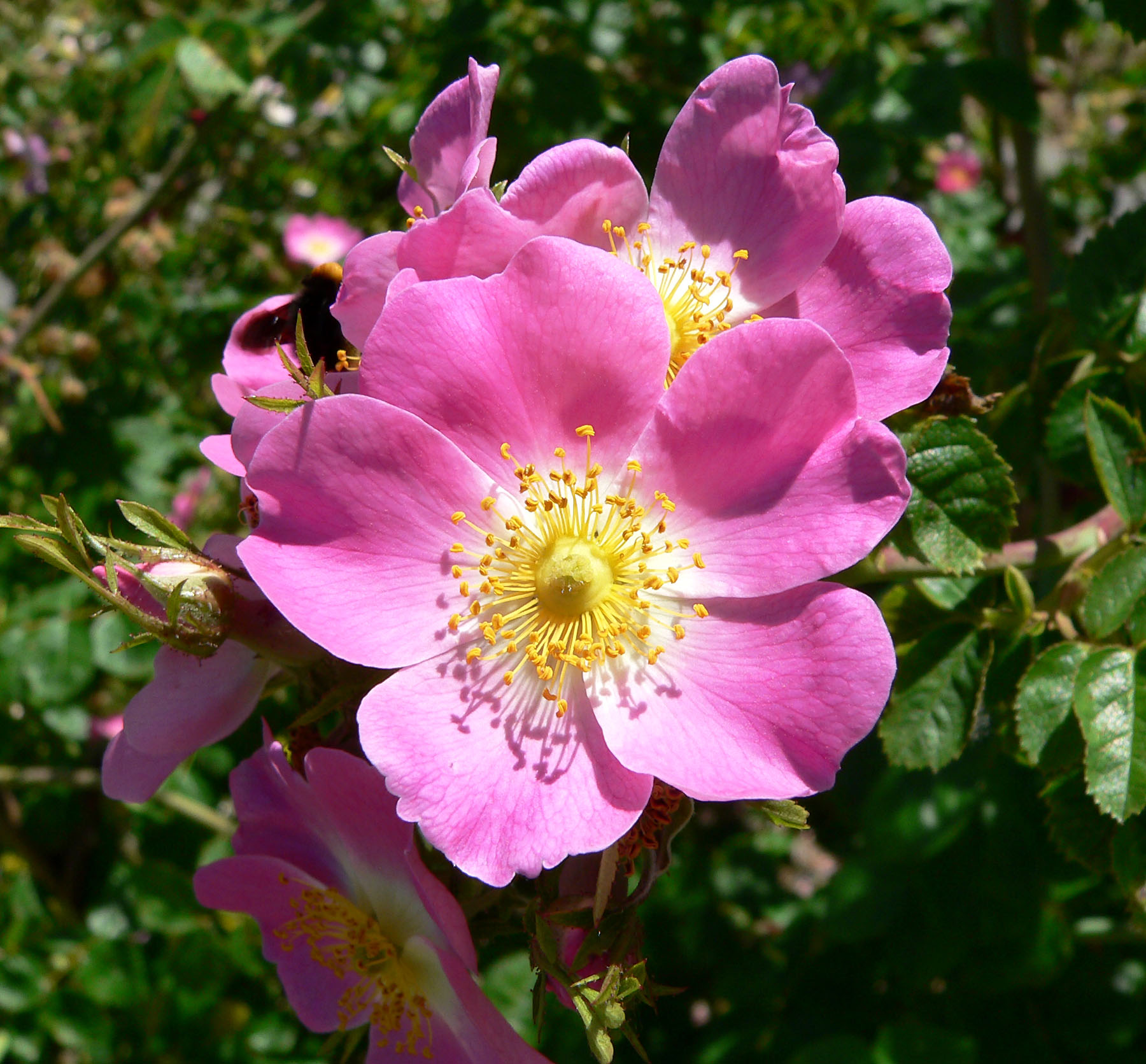
Summary Rose ( Rosa spp. ) is a revered medicinal and aromatic plant known for its cooling, astringent, and uplifting properties . Used in herbalism, skincare, and perfumery, rose supports emotional well-being, heart health, skin regeneration, and digestive balance . With a rich history spanning cultures and traditions, rose remains a symbol of love and healing. Materia Medica Latin Binomial: Rosa spp. Common Names: Rose, Damask Rose, Wild Rose, Apothecary Rose TCM Name: Mei Gui Hua Ayurvedic Name: Shatapatri Family: Rosaceae (Rose family) Physical Description of the Plant Roses are deciduous shrubs with thorny stems, fragrant flowers, and compound leaves . Flowers can range from pale pink to deep red and produce small, seed-filled fruits called rose hips . Habitat Native to Europe, Asia, and North America , roses thrive in temperate climates with well-drained soil and full sunlight. Wild species grow in woodlands, meadows, and hedgerows . Harvest and Collection Petals are harvested when flowers are in full bloom . Rose hips are collected after petals fall, once they ripen to a deep red or orange . Dried and stored in airtight containers to preserve aroma and potency. Parts of the Plant Used Petals and Flowers (aromatic and medicinal) Rose Hips (nutrient-dense and antioxidant-rich) Qualities & Benefits Key Actions: Astringent (tones and tightens tissues) Anti-inflammatory (soothes skin and mucous membranes) Heart Tonic (supports emotional and cardiovascular health) Digestive Aid (calms bloating and nausea) Nervine (uplifts mood and reduces stress) Skin Rejuvenator (hydrates and promotes elasticity) Energetics: Taste: Sweet, slightly bitter, astringent Temperature: Cooling Chemical Constituents Volatile Oils (geraniol, citronellol, nerol) Flavonoids (antioxidant and anti-inflammatory properties) Tannins (astringent and toning effects) Vitamin C (especially in rose hips, supports immunity and skin health) Polyphenols (anti-aging and cardiovascular support) Traditional Uses & Applications Western Herbalism Heart & Emotional Health : Used to ease grief, anxiety, and sadness . Skin & Beauty : Supports hydration, elasticity, and anti-aging . Digestive System : Helps with mild nausea, bloating, and acidity . Respiratory Support : Eases coughs, sore throats, and lung irritation . Immune Boosting : Rose hips are rich in vitamin C and antioxidants. Eastern Herbalism Meridians: Heart, Liver, Spleen Moves Qi & Blood: Used for menstrual regulation and circulation . Calms Shen & Lifts Mood: Supports emotional balance and reduces stress . Clears Heat & Inflammation: Soothes skin, digestion, and respiratory issues . Indications Emotional distress, grief, and anxiety Dry or irritated skin conditions Sore throat and mild respiratory infections Menstrual irregularities and PMS symptoms Digestive upset and acidity Contraindications & Drug Interactions Use with caution in high doses if prone to kidney stones (due to vitamin C in rose hips). Avoid excessive internal use if prone to cold/damp conditions in Ayurveda. Dosage & Preparations Tincture 2-4 mL up to twice daily in water or juice. Infusion (Tea) 1 teaspoon dried petals or rose hips per cup of hot water. Steep for 10-15 minutes , strain, and drink once or twice daily . Rose Water Hydrosol used for skin toning and cooling refreshment . Combinations With Hawthorn for heart and circulatory health. With Chamomile for relaxation and digestion. With Lavender for stress relief and sleep support. Folklore & Historical Uses Ancient Egyptians used rose water for beauty and skin healing . Persian medicine regarded rose as a heart and digestive tonic . Victorian era saw roses symbolizing love, healing, and devotion . Traditional Chinese Medicine used rose to move stagnant Qi and ease emotional tension . Scientific Research & Studies Studies confirm rose’s antioxidant, mood-enhancing, and anti-inflammatory effects. Research suggests rose extracts may support heart health, improve skin hydration, and reduce stress-related symptoms . Recipes Rose Tea for Heart & Emotion Ingredients: 1 teaspoon dried rose petals 1 teaspoon dried hawthorn berries 1 cup hot water Instructions: Steep ingredients in hot water for 10 minutes . Strain and drink to uplift mood and support the heart . Rose Facial Toner Ingredients: ½ cup rose water 1 teaspoon witch hazel 3 drops lavender essential oil Instructions: Mix all ingredients and store in a spray bottle . Use as a refreshing facial mist or skin toner . Conclusion Rose is a deeply nourishing and versatile herb that promotes heart health, emotional well-being, and skin vitality . Whether used in teas, tinctures, or skincare , rose continues to be a beloved ally in herbal medicine .