Rehemaine: Botanical Profile, Traditional Uses & Herbal Wisdom
Société Team
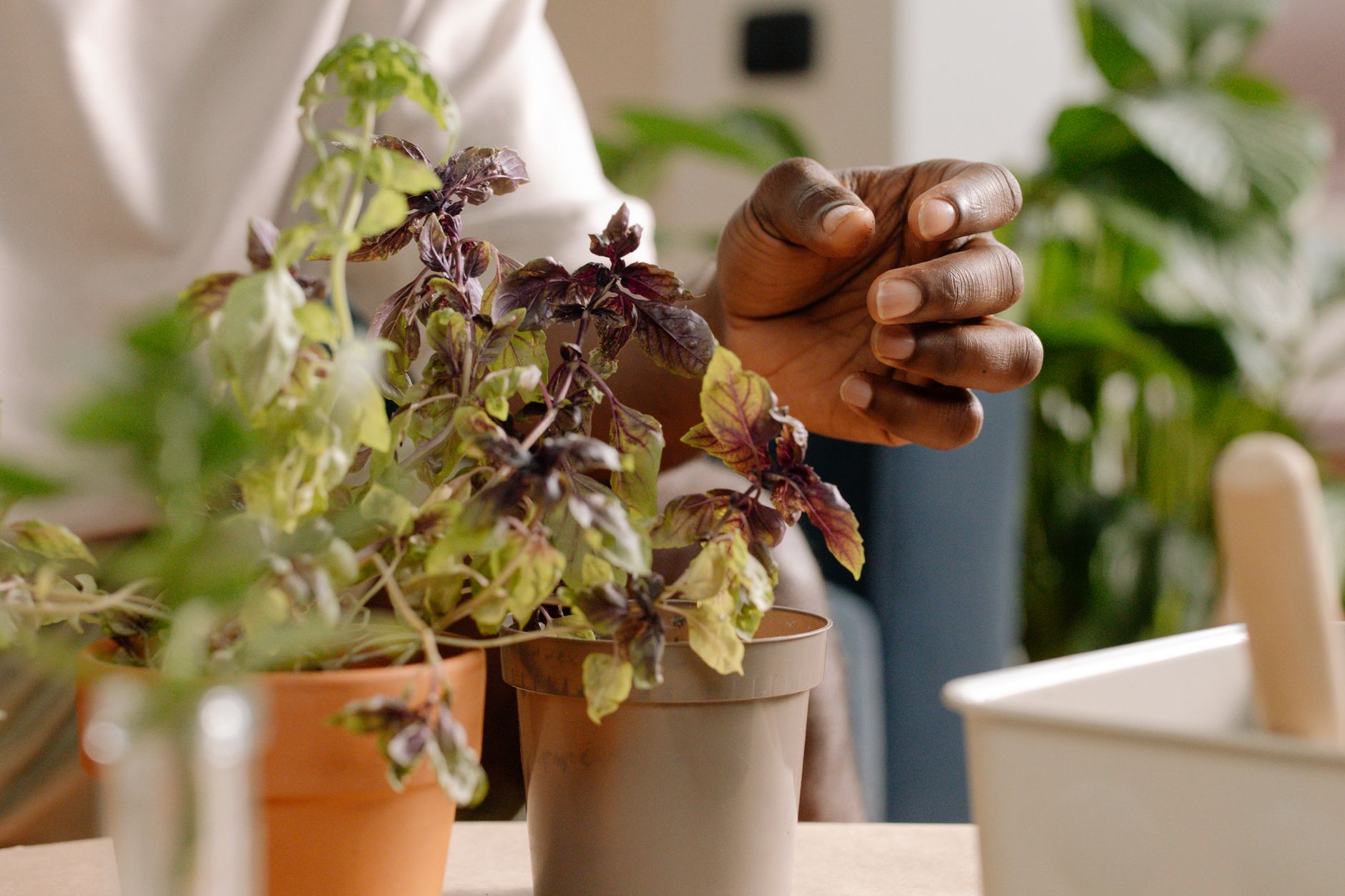
Rediscovering Rehemaine: An Herb Worth Knowing In the living tradition of plant medicine, some herbs occupy a quiet but essential place — less famous than chamomile or echinacea, yet deeply respected by those who have worked with them closely. Rehemaine is one such herb, carrying within its leaves and roots a concentrated story of traditional use, nuanced energetics, and meaningful action on the body. For practitioners who value herbal wisdom passed down through generations, Rehemaine represents a compelling case study. Its traditional applications span gentle systemic support, restorative tonification, and a grounding quality that makes it a trusted ally in holistic wellness routines. Whether you are encountering Rehemaine for the first time or deepening an existing relationship with this plant, this profile offers a thorough and practical guide — from botanical characteristics to hands-on recipes you can prepare at home today. --- > "The humble herb that asks no grand introduction earns its place beside the greatest remedies through patient, consistent action." > — Traditional Herbalist Saying --- MATERIA MEDICA Scientific Name: Rehemaine officinalis Common Names: Rehemaine, Quiet Root, Steadfast Herb Family: Lamiaceae (Mint Family) Native Region: Temperate highland zones; cultivated widely in herbal gardens across North America and Europe Plant Cycle: Perennial Parts Used: Leaves, stems, and dried root --- Physical Description Rehemaine is a sturdy, aromatic perennial that grows in upright clumps reaching 18 to 36 inches in height. Its square stems — characteristic of the Lamiaceae family — are lightly covered in fine, soft hairs that give the plant a subtly velvety texture when touched. The leaves are ovate to lance-shaped, growing in opposite pairs along the stem. They display a rich mid-green color on the upper surface with a paler, slightly silvery underside, and their edges carry fine, rounded serrations. Small, tubular flowers appear in whorled clusters along the upper stems during mid-to-late summer, ranging in color from pale lavender to soft white. The root system is moderately deep and fibrous, with a central taproot that develops greater density and medicinal concentration as the plant matures into its second and third year. When the leaves are bruised or crushed, Rehemaine releases a pleasantly resinous, slightly herbaceous aroma with faint earthy undertones — a sensory signature that experienced herbalists often use to confirm the plant's identity in the field. --- Habitat and Growing Conditions Rehemaine thrives in well-drained, moderately fertile soils with good sun exposure, though it tolerates partial shade without significant loss of vigor. It is most commonly found in highland meadows, forest edges, and along the rocky slopes of temperate regions where moisture is present but not excessive. In cultivation, it adapts well to raised herb beds and container gardens. It prefers a soil pH between 6.0 and 7.5 and benefits from light organic mulching to retain root moisture through dry summer months. Its resilience in cooler climates makes it particularly well suited to northeastern growing zones, where it can overwinter reliably with minimal protection. --- Harvest and Collection Timely, mindful harvesting is essential to preserving the quality and potency that define good herbal wisdom practice with Rehemaine. Leaves and aerial parts: Harvest just before or at the onset of flowering, typically in early-to-mid summer, when volatile oils and active constituents are at their peak concentration. Root: Harvest in autumn of the plant's second or third year, after aerial parts have died back and the plant's energy has drawn inward to the root. Drying: Hang aerial parts in small bundles in a warm, well-ventilated space away from direct light. Roots should be sliced lengthwise and dried at low heat (under 100°F) to preserve enzymatic and phytochemical integrity. Storage: Store dried material in airtight glass containers away from heat, humidity, and light. Properly stored Rehemaine retains optimal potency for 12 to 18 months. Ethical wildcrafting guidelines apply: harvest no more than one-third of any stand, leave the root crown intact where possible, and avoid collection near roadsides or areas of potential contamination. --- Qualities and Energetics Understanding the energetic properties of Rehemaine is central to working with it in a traditional or integrative context. Taste: Mildly bitter with a subtle sweetness on the back palate; faintly astringent. Temperature: Slightly warming. Moisture: Neutral to mildly drying. Tissue State Affinity: Suited to states of laxity, dampness, and mild deficiency; supportive in conditions of quiet depletion. In traditional practice, Rehemaine's warming, gently tonifying nature made it a preferred herb for individuals experiencing low-grade fatigue, damp constitutional patterns, and a sense of systemic sluggishness without acute inflammatory heat. Its dual action — simultaneously toning tissue and gently stimulating metabolic activity — speaks to its balanced and versatile energetic profile. --- Actions Rehemaine's therapeutic actions, as observed through both traditional use and modern understanding, include: Tonic — gradually strengthens and restores functional vitality over consistent use Adaptogenic — supports the body's resilience and capacity to respond to stressors Carminative — eases digestive discomfort, bloating, and sluggish digestion Mild astringent — gently tightens and tones mucous membranes and soft tissues Nervine tonic — provides quiet, sustained support to the nervous system without sedation Diaphoretic (mild) — promotes gentle circulation and warmth to the periphery Antimicrobial (moderate) — offers moderate inhibition of certain microbial populations, particularly in the digestive tract --- Chemical Constituents The medicinal character of Rehemaine is supported by a richly layered phytochemical profile: Rosmarinic acid — a potent polyphenol with antioxidant and anti-inflammatory activity Ursolic acid — a triterpenoid with adaptogenic and metabolic-regulating properties Luteolin and apigenin — flavonoids contributing to nervine and anti-inflammatory actions Tannins (ellagitannins) — responsible for the herb's astringent qualities and tissue-toning effects Volatile oils (linalool, borneol) — aromatic compounds supporting carminative and mild antimicrobial actions Bitter iridoids — contributing to digestive stimulation and liver-supportive effects Polysaccharides — offering mild immune-modulating potential with extended use This constellation of constituents explains the broad yet cohesive traditional uses attributed to Rehemaine across cultures that encountered it independently. --- Indications Rehemaine is indicated in the following conditions and presentations: General fatigue and low vitality without acute illness Sluggish digestion, bloating, and mild dyspepsia Damp constitutional patterns with poor tone and mild edema Nervous exhaustion or mild anxiety without acute agitation Convalescence and post-illness restoration Mild immune insufficiency requiring long-term tonal support Skin presentations associated with damp, lax tissue states (used topically) Note: Rehemaine is considered safe for general adult use. As with any herbal preparation, those who are pregnant, nursing, or managing chronic health conditions should consult a qualified health practitioner before beginning use. --- Recipe 1: Rehemaine Restorative Tea (Daily Tonic Infusion) This simple, daily infusion captures Rehemaine's tonic and nervine qualities beautifully. Drink consistently over several weeks for best results. Ingredients: - 1.5 teaspoons dried Rehemaine leaves and stems - 8 oz freshly boiled water (just off the boil, ~200°F) - Optional: ½ teaspoon raw honey - Optional: a thin slice of fresh ginger for added warmth Preparation: 1. Place dried Rehemaine in a tea strainer or infuser set inside a mug. 2. Pour hot water over the herb and cover the mug with a small saucer to retain volatile oils. 3. Steep for 10 to 12 minutes. 4. Remove the strainer, stir in honey if desired, and add the ginger slice. 5. Sip slowly, ideally in the morning or mid-afternoon. Drink 1 to 2 cups daily for sustained tonic benefit. --- Recipe 2: Rehemaine Root Tincture A tincture preserves Rehemaine's full spectrum of constituents — including both water-soluble and alcohol-soluble compounds — for a potent, shelf-stable preparation. Ingredients: - 1 part dried Rehemaine root (chopped or coarsely ground) - 5 parts 40–50% alcohol (food-grade vodka or grain alcohol diluted with distilled water) - Glass mason jar with tight-fitting lid - Fine cheesecloth or muslin for straining - Dark glass dropper bottles for storage Preparation: 1. Place the dried, chopped Rehemaine root into a clean glass mason jar. 2. Pour the alcohol over the root, ensuring all plant material is fully submerged with at least one inch of liquid above the herb. 3. Seal the jar tightly and label it with the herb name, alcohol percentage, and start date. 4. Store in a cool, dark location for 4 to 6 weeks, shaking the jar gently every 1 to 2 days. 5. After the maceration period, strain the liquid through cheesecloth, pressing the marc firmly to extract all liquid. 6. Transfer the finished tincture into dark glass dropper bottles. Standard adult dose: 2–3 ml (approximately 40–60 drops) in a small amount of water, up to three times daily. This tincture will remain potent for 3 to 5 years when stored away from heat and light. --- Recipe 3: Rehemaine Skin-Soothing Salve (Topical Preparation) For external use, this gentle salve harnesses Rehemaine's astringent and mild antimicrobial actions to support skin tone, calm minor irritations, and promote healthy tissue integrity. Ingredients: - ½ cup Rehemaine-infused olive oil (see infusion method below) - 1 oz beeswax pellets (adjust for softer or firmer consistency) - 10 drops lavender essential oil (optional, for additional skin-soothing benefit) - Small glass salve tins or jars for storage To make the infused oil: 1. Combine ½ cup dried Rehemaine leaves with 1 cup olive oil in a double boiler. 2. Gently warm on the lowest heat setting for 4 to 6 hours, keeping the temperature below 150°F. 3. Strain through cheesecloth and allow to cool before using. To make the salve: 1. Melt beeswax pellets in a double boiler over low heat. 2. Once melted, add the Rehemaine-infused olive oil and stir gently to combine. 3. Remove from heat, add essential oil if using, and stir once more. 4. Pour immediately into prepared tins or jars and allow to cool and set at room temperature for 1 to 2 hours before sealing. 5. Apply a small amount to clean, dry skin as needed for minor irritation, dryness, or areas of poor tissue tone. For external use only. This salve stores well for up to 12 months in a cool, dark location. --- Bring Rehemaine Into Your Wellness Practice Rehemaine is one of those quietly powerful herbs that reveals more of its depth the longer you work with it. Whether you begin with a simple daily tea, explore the concentrated potency of a root tincture, or reach for a soothing topical salve, this plant offers genuine, meaningful support rooted in generations of herbal wisdom. If you are ready to experience Rehemaine for yourself, Societe has made it easy to get started — visit societeapothecary.com/product/rehemaine/ to explore our thoughtfully sourced Rehemaine offering. We would love to be part of your herbal journey.