Red Raspberry: Materia Medica
Société Apothecary
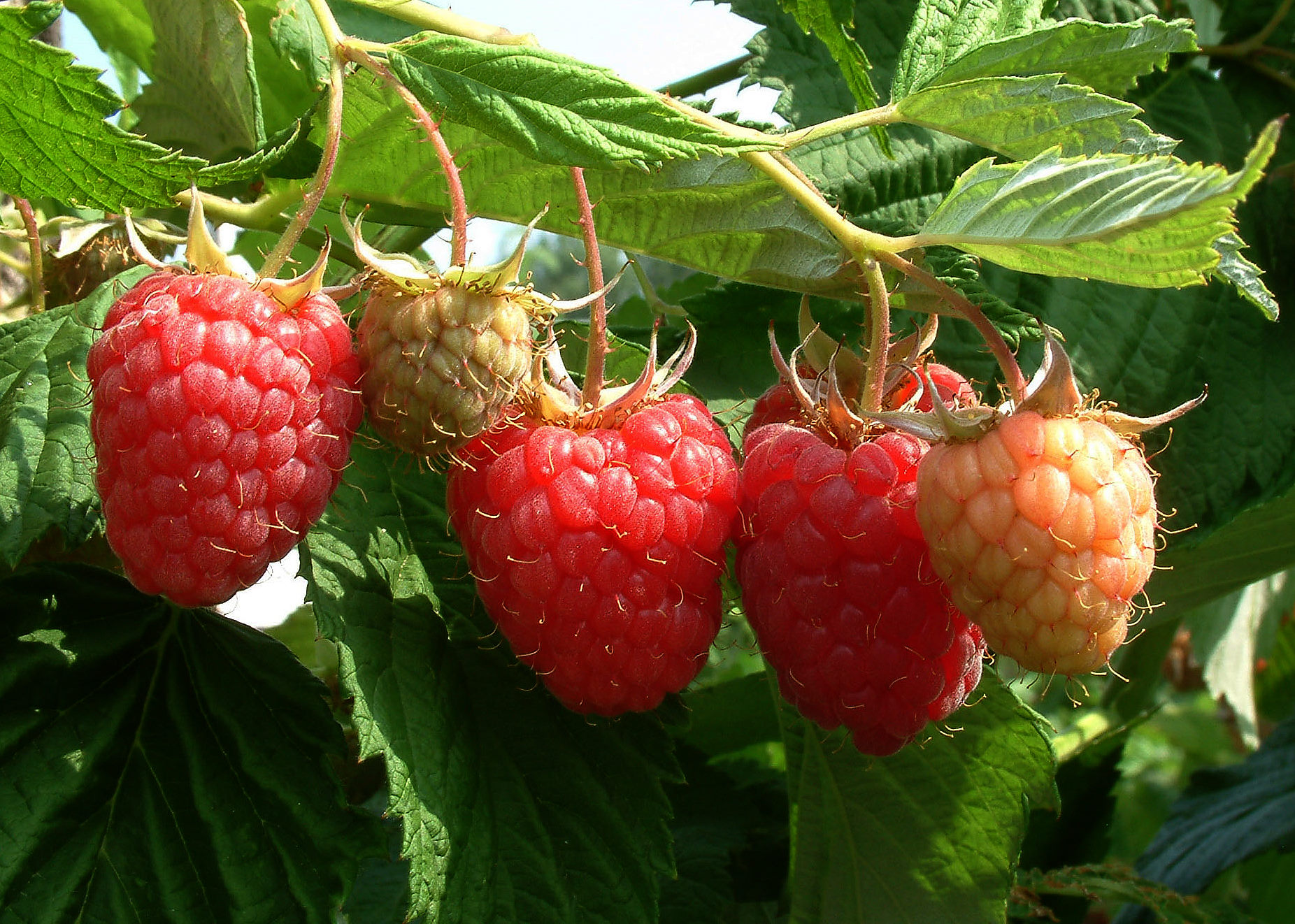
SUMMARY Raspberry leaf tea is a classic uterine tonic, used to treat menstrual cramps and irregular cycles. It is often used to support the uterus in the last trimester of pregnancy and to help prepare for birth. It is also valued for its ability to restore uterine integrity postpartum. MATERIA MEDICA Latin Binomial: Rubus idaeus, R. occidentalis, R. spp. Common Name(s) : Red Raspberry, Raspberry Leaf TCM Name : Fu Pen Zi Ayurvedic Name(s) : Raspberry leaf Family: Rosaceae (rose family) Physical Description of the Plant: Rubus idaeus is a perennial shrub with biennial stems that grows anywhere from 3 to 9 feet tall. The thorny canes emerge the first year as green stems and, depending on the variety, either don’t fruit or fruit very little. The second year, the canes will flower and fruit. At the end of the second growing season, the bark will turn brown and/or gray and the cane will die. Prune the second year canes in the winter/early spring to avoid overcrowding. Red raspberry leaves are pinnately compound with three to five leaflets. The leaves are doubly serrated with a rounded base,about 3 “long and 2” wide.The underside of the leaf has a silvery green color and may be covered in small spines. The flowers have five petals and numerous stamens, qualities often seen in the rose family. The flowers are white and bloom in clusters in May or June. The fruit is an aggregate, composed of a number of drupelets around a receptacle. Habitat: Native to both to Asia and North America, raspberries have been cultivated since the 16th century and are now found in most temperate parts of the world. Harvest and Collection: Red raspberry leaves are harvested ideally before the plant flowers and fruits. Leaves should be dried thoroughly before storing or using them. Parts of the Plant Used: Leaves and berries. Qualities: Red raspberry strengthens the reproductive system, and relaxes smooth muscles in the uterus. Energetics: Cooling, drying, astringent Taste : Sweet Chemical Constituents: citric acid flavonoids magnesium malic acid pectin (fruit) trace minerals - zinc, iron, chromium and manganese (in tea from dried leaves) vitamins C, E, A, B volatile oil Actions: Raspberry leaf tea is capable of actually repairing uterine tissue. For surgical births, drinking the tea is generally the best option for helping uterine tissue to heal internally. For vaginal births, if perineal swelling or tearing is involved, the tea can be used as a sitz bath, as it also reduces swelling and promotes tissue repair topically. Raspberry leaf also helps to improve breast milk supply. Western: Astringent Nutritive Parturient Uterine tonic Eastern: In TCM Fu Pen Zi tonifies kidneys, stabilizes kidney qi, binds the essence, restrains urine - incontinence, enuresis, spermatorrhea, impotence, premature ejaculation, frequent urination and poor vision. In Ayurveda it is considered a pitta-lowering (cooling) herb good for reducing heat and inflammation in the body, especially throughout the digestive tract. Meridians: Kidney, liver and spleen Indications: Amenorrhea, anemia, dysmenorrhea, and menorrhagia; leaky gut. Contraindications/Cautions: Raspberry fruits and leaves are generally regarded as safe. Raspberry leaf tea is safe for long-term use and during all phases of pregnancy, and it's also beneficial for each phase. It helps to stabilize pregnancy in the first trimester and prevent bleeding or hemorrhage.* It reduces nausea and improves digestion. It tones the uterus while it grows and preps it for labor. It’s also recommended to continue drinking the tea for a few months postpartum. *Some herbalists recommend waiting until the second trimester. Drug Interactions: May reduce insulin requirements. Dosage: Tincture : 1:5 dry herb, 30% alcohol, 3-5 mL three times a day Infusion: 7-10 grams per day Combinations: Combines wellwith rose petals, red clover, mint, and chamomile. Folklore: In the story of Ida, the nursemaid to the infant Zeus pricked her finger while picking the snow-white berries, staining them red for all eternity. In a similar story Raspberry got her name when the Olympian Gods were searching for berries on Mount Ida. Raspberry’s Latin name, Rubus idaeus, means “bramble bush of Ida.” By the European middle ages, raspberry was recognized as a women’s tonic. Wealthy medieval Europeans used raspberry for food and as a pigment as well. In early Christian artwork, raspberries were used to symbolize kindness. Raspberry’s red juice invoked the energy of the blood, which runs from the heart and carries love, nutrition, and kindness through the body. In Germany, raspberry was used to tame bewitched horses by tying a bit of the cane to the horse’s body. Native peoples of the Americas recognized raspberry’s