Red Clover Leaf: A Complete Herbal Profile for the Modern Herbalist
Société Team
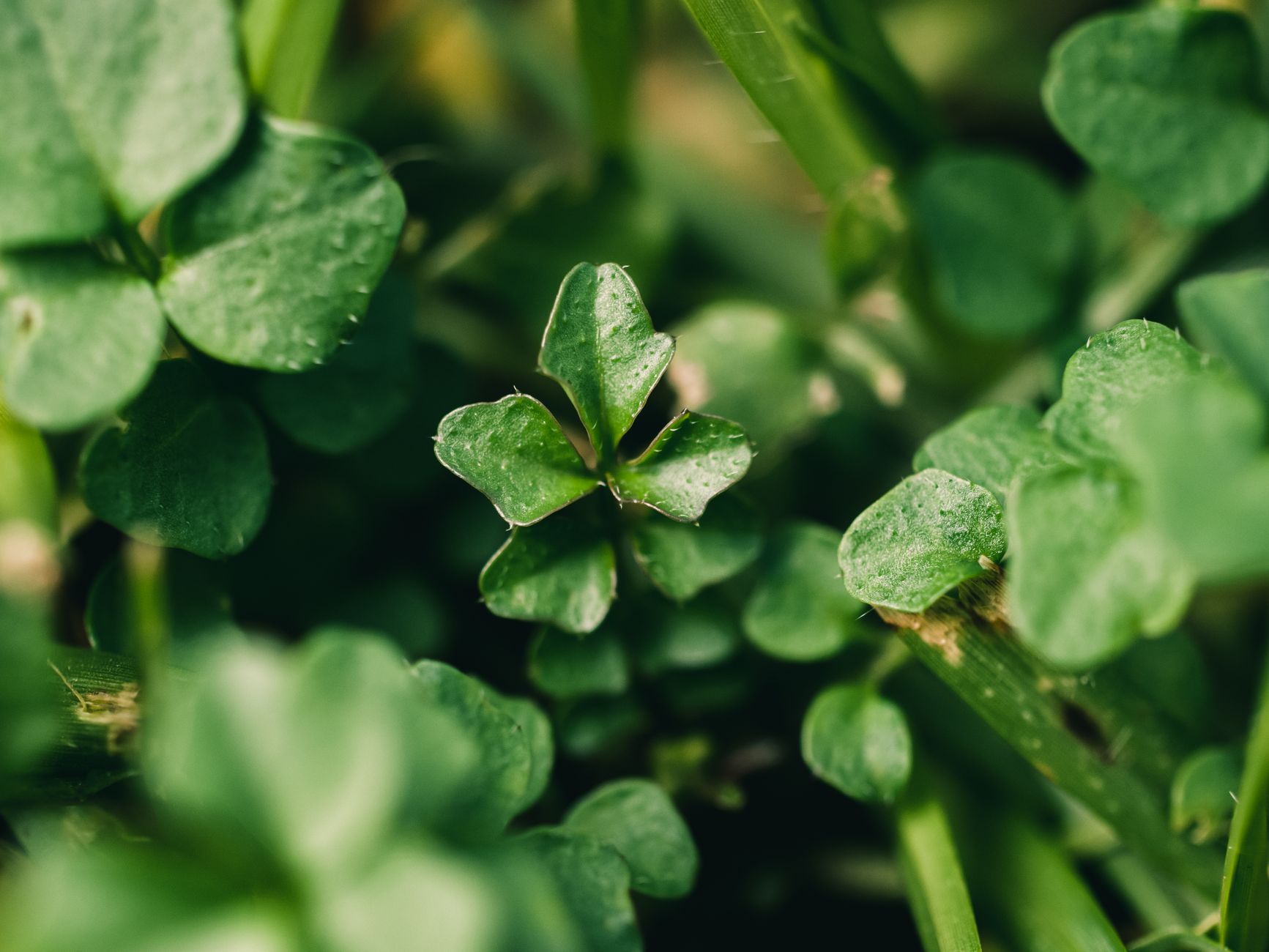
Red Clover ( Trifolium pratense ) is one of those quietly powerful plants that has graced meadows, roadsides, and kitchen gardens for centuries without demanding much attention. Yet tucked within its soft, trifoliate leaves and vibrant pink-purple blooms lies a wealth of herbal wisdom that has sustained generations of healers, foragers, and home apothecaries. From European folk medicine to Indigenous North American plant traditions, Red Clover Leaf has carried a reputation as a gentle yet deeply nourishing herb. Its growing relevance in modern wellness — particularly for women's health — makes it one of the most studied and celebrated plants in contemporary herbalism. > "The meadow plants offer no pretense — only quiet, reliable medicine freely given to those who know how to look." MATERIA MEDICA Scientific Name: Trifolium pratense Common Names: Red Clover, Meadow Clover, Purple Clover, Cow Clover, Wild Clover Family: Fabaceae (Leguminosae) Parts Used: Leaves, flowers, and flowering tops Overview: Red Clover Leaf is a perennial herbaceous plant widely distributed across Europe, Western Asia, and naturalized throughout North America and beyond. It is cultivated as a cover crop and forage plant, but its medicinal value runs far deeper than agriculture. Physical Description and Botanical Characteristics The botanical characteristics of Red Clover make it easy to identify in the wild. Its stems are erect to slightly sprawling, reaching 20 to 80 cm in height, and lightly hairy to the touch. The leaves are trifoliate — composed of three oval leaflets — each typically bearing a distinctive pale chevron or crescent marking near the center. This chevron pattern is one of Red Clover's most recognized features, distinguishing it at a glance from other clover species. The flowers bloom in dense, rounded heads ranging from soft pink to deep magenta-purple, appearing from late spring through early autumn. Seeds develop in small pods tucked within the flower head, and the root system is deep and nitrogen-fixing, enriching the soil as it grows. Habitat and the Red Clover Leaf Plant in the Wild The red clover leaf plant thrives in open, sunny environments. You'll commonly find it growing in: Meadows and grasslands Roadsides and field margins Garden borders and disturbed soils Cultivated agricultural fields (often as a cover crop) It prefers well-drained, slightly acidic to neutral soils and tolerates a wide range of climates, from temperate coastal regions to cooler inland areas. Red Clover is particularly abundant across the northeastern United States and throughout Europe. Because of its nitrogen-fixing root nodules, Red Clover actively improves the soil where it grows — a plant that gives back to the earth even as it offers its medicine to those who harvest it. Harvest and Collection For medicinal use, both the leaves and flowering tops are collected, though the leaves alone carry significant therapeutic value and are more widely available dried. Best practices for ethical harvest include: Timing: Harvest leaves just before or during early flowering, when plant constituents are at their peak concentration. Location: Choose sites well away from roadsides, agricultural spray areas, or chemically treated lawns. Method: Snip leaves and flowering tops cleanly, leaving at least two-thirds of the plant intact to support continued growth. Drying: Spread harvested material in a single layer in a warm, well-ventilated space out of direct sunlight. Dry for 5–10 days until crisp. Commercially dried Red Clover Leaf is widely available and offers consistent quality for those who prefer not to wildcraft. Qualities, Energetics, and Traditional Uses Understanding the energetic properties of Red Clover is essential for working with it in a holistic herbal framework. Qualities: - Taste: Mildly sweet, slightly grassy - Temperature: Cooling to neutral - Moisture: Slightly moistening Energetics: Red Clover is considered a cooling and gently moistening herb, making it well-suited to conditions characterized by heat, dryness, or stagnation. In traditional Western herbalism, it has long been used to support the lymphatic system and encourage the body's natural cleansing processes. The traditional uses of Red Clover span multiple healing traditions. European herbalists prescribed it for skin conditions, respiratory complaints, and as a blood-cleansing tonic. In North American folk medicine, it was similarly employed as an alterative — an herb that gradually shifts the body toward greater vitality and balance. The significance of red clover leaf meaning in folk symbolism is also worth noting. The three-leafed clover has long been associated with luck, protection, and the balance of mind, body, and spirit. In some traditions, a four-leafed variation was considered especially auspicious. Red clover leaf bracelet traditions — where dried or pressed clover leaves are woven into jewelry — carry this symbolic meaning forward into folk craft, with the red clover leaf bracelet meaning often tied to wishes for good health and protection during travel or life transitions. Actions and Chemical Constituents Actions: - Alterative (blood-cleansing) - Lymphatic - Expectorant - Antispasmodic - Mild estrogenic (phytoestrogenic) - Anti-inflammatory - Antioxidant - Nutritive tonic Key Chemical Constituents: - Isoflavones (formononetin, biochanin A, daidzein, genistein) — phytoestrogens with hormone-balancing activity - Flavonoids (quercetin, kaempferol) — antioxidant and anti-inflammatory - Coumarins — mild blood-thinning and lymphatic activity - Volatile oils — contribute to aromatic and antispasmodic properties - Minerals — calcium, magnesium, potassium, chromium - Vitamins — C, B-complex, and vitamin K - Polysaccharides — immune-modulating activity - Tannins — mild astringency The isoflavone content is what drives much of the modern scientific interest in red clover leaf extract , particularly in the context of hormonal health. Red Clover Leaf Benefits for Women and General Wellness The red clover leaf benefits for women are among the most well-documented aspects of this herb's modern use. The phytoestrogens in Red Clover interact with estrogen receptors in the body, making the herb a popular natural support during perimenopause and menopause. Red clover leaf and flower benefits discussed in herbal literature include: Support for healthy hormonal balance during menopause Reduction of occasional hot flashes and night sweats Gentle lymphatic and skin-clearing support Respiratory support for productive coughs and bronchial congestion Nutritive support due to its rich mineral and vitamin content Antioxidant activity that may support cardiovascular health Indications in herbal practice include: Menopausal transition and hormonal fluctuation Skin conditions associated with lymphatic congestion (eczema, psoriasis) Chronic respiratory conditions with mucus congestion General detoxification and lymphatic support Long-term nutritive toning for depleted or deficient constitutions A note of caution: Because of its phytoestrogenic activity, individuals with hormone-sensitive conditions, those on anticoagulant medications (due to coumarins), or those who are pregnant should consult a qualified herbalist or healthcare provider before using Red Clover therapeutically. Three Practical Red Clover Recipes for Home Use Recipe 1: Classic Red Clover Leaf Tea A simple red clover leaf tea is the most accessible way to begin working with this herb. This gentle infusion captures the mildly sweet, nourishing character of the leaf beautifully. Ingredients: - 2 teaspoons dried Red Clover Leaf (or 1 tablespoon fresh leaves) - 8 oz filtered water, just off the boil - Optional: a small slice of fresh lemon, a pinch of dried mint, or a drizzle of raw honey Preparation: 1. Place the dried Red Clover Leaf in a tea infuser or heatproof mug. 2. Pour freshly boiled water over the herb and cover the mug to retain volatile compounds. 3. Steep for 10–15 minutes for a full-strength infusion. 4. Strain and sweeten lightly if desired. 5. Drink 1–3 cups per day as a general wellness tea. For hormonal support, consistency over several weeks is key. Red clover leaf tea benefits are best realized with regular, daily use. Think of it less as a quick fix and more as a nourishing daily ritual. --- Recipe 2: Red Clover Leaf Tincture A tincture offers a more concentrated form of red clover leaf extract that can be added to water, juice, or taken directly. This method preserves both the water-soluble and alcohol-soluble constituents. Ingredients: - 1 cup dried Red Clover Leaf, loosely packed - 2 cups 80-proof vodka or vegetable glycerin (for an alcohol-free version) - A clean glass jar with a tight-fitting lid Preparation: 1. Place the dried Red Clover Leaf into the glass jar. 2. Pour the vodka (or glycerin) over the herb, ensuring the plant material is fully submerged by at least one inch of liquid. 3. Seal the jar tightly and label it with the date and herb name. 4. Store in a cool, dark place for 4–6 weeks, shaking the jar gently every few days. 5. After 4–6 weeks, strain the liquid through cheesecloth, pressing the herb to extract all liquid. 6. Transfer to amber dropper bottles and store in a cool, dark location. Shelf life is approximately 2–3 years. Dosage: 2–4 ml (approximately 40–80 drops) taken 2–3 times daily in a small amount of water. --- Recipe 3: Red Clover Leaf and Oat Honey Facial Steam For a topical application that draws on Red Clover's anti-inflammatory and skin-supportive properties, this facial steam is a simple, luxurious ritual for congested or reactive skin. Ingredients: - 2 tablespoons dried Red Clover Leaf - 1 tablespoon dried calendula petals - 1 tablespoon rolled oats (colloidal-style, crushed slightly) - 4 cups water - Optional: 2 drops lavender essential oil (added after removing from heat) Preparation: 1. Bring 4 cups of water to a gentle simmer in a medium saucepan. 2. Add the Red Clover Leaf, calendula petals, and rolled oats to the water. 3. Simmer on low for 5 minutes, then remove from heat. 4. If using, add the lavender essential oil now. 5. Transfer the pot to a safe, stable surface. Drape a towel over your head and the pot, creating a gentle steam tent. 6. Hold your face 10–12 inches above the water and steam for 5–10 minutes. 7. Follow with a gentle rinse with cool water and your usual moisturizer. This steam is especially lovely once or twice weekly for skin that tends toward congestion, dullness, or inflammation. Bringing Red Clover Leaf Into Your Herbal Practice Red Clover Leaf is a testament to the quiet power of meadow plants. Whether you are drawn to it for hormonal balance, lymphatic support, skin health, or simply as a daily nourishing tea, its gentle, reliable action makes it an excellent addition to any herbal repertoire. The depth of herbal wisdom held within this humble plant — from its botanical characteristics to its traditional uses and energetic properties — reflects just how much nature offers when we take the time to look closely. If you're ready to bring Red Clover Leaf into your wellness routine, Societe makes it easy. Explore our carefully sourced dried Red Clover Leaf at societeapothecary.com/product/red-clover-leaf/ and let this meadow medicine become part of your everyday ritual. We'd love to be a small part of your herbal journey.