Pipsissewa: The Forest Herb with a Fascinating History and Remarkable Benefits
Société Team
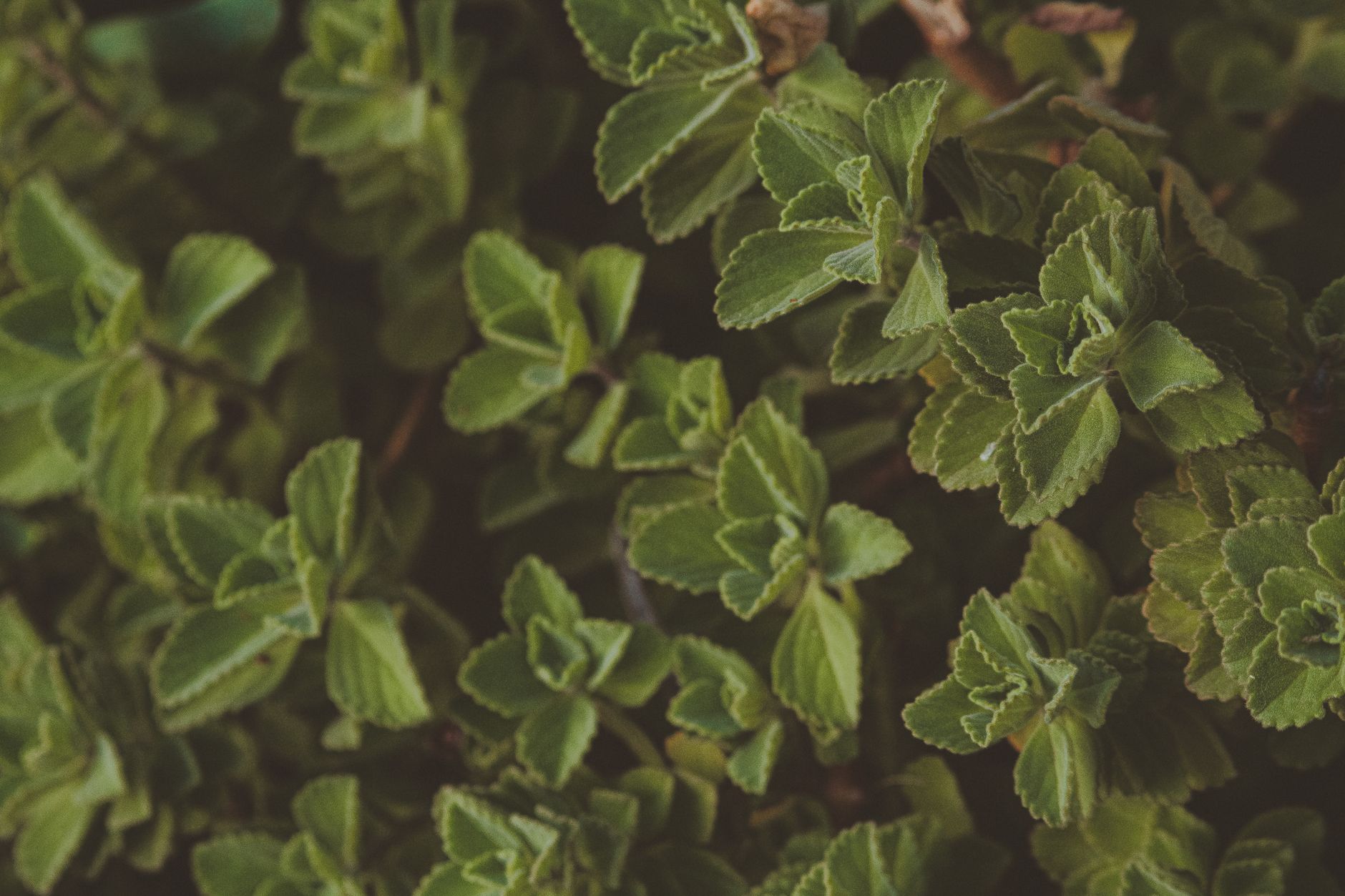
What Is Pipsissewa? Meaning, Pronunciation, and Plant Profile If you've never heard of pipsissewa, you're not alone — and you're in for a delightful introduction. Pipsissewa (pronounced pip-SIS-uh-wah ) is a small, evergreen woodland plant that has quietly earned a devoted following among herbalists and plant lovers for centuries. The name itself comes from the Cree word pipisisikweu , meaning "it breaks into small pieces" — a nod to its traditional use in supporting the urinary tract and breaking down kidney stones. Just saying the word out loud feels like a little ritual, and learning its meaning only deepens your appreciation for this humble forest dweller. Botanically known as Chimaphila umbellata , the pipsissewa plant belongs to the heath family ( Ericaceae ). It grows low to the forest floor, rarely reaching more than 30 centimeters tall, and thrives in the dappled shade of coniferous and mixed woodlands across North America, Europe, and Asia. The Pipsissewa Flower: Beauty Hidden in the Understory One of the most enchanting things about pipsissewa is its flower. The pipsissewa flower blooms in midsummer, producing delicate, nodding clusters of waxy, pink-to-white blossoms that carry a faint, sweet fragrance. Each flower has five rounded petals that curl slightly backward, giving it an almost bashful appearance. The pipsissewa flower meaning is often associated with solitude, introspection, and gentle strength . Growing quietly beneath towering trees, it symbolizes the kind of resilience that doesn't demand attention — it simply endures and thrives in its own quiet way. For foragers and nature lovers, spotting a cluster of pipsissewa in bloom is a small but memorable joy. The glossy, dark green leaves with their finely toothed edges remain on the plant year-round, making it identifiable even in the depths of winter when most of its forest companions have faded away. Traditional Uses of the Pipsissewa Herb Across Cultures The pipsissewa herb has a remarkably rich history of traditional use, particularly among Indigenous peoples of North America. Various nations used different parts of the plant — leaves, stems, and roots — for a wide range of purposes, both medicinal and ceremonial. Some of the most well-documented traditional uses include: Urinary and kidney support: Many tribes used pipsissewa tea or decoctions to support healthy urinary function and address conditions like kidney stones and bladder discomfort. Fever and inflammation: Pipsissewa was prepared as a wash or taken internally to help reduce fever and ease inflammatory conditions. Skin and wound care: Poultices made from the leaves were applied to blisters, sores, swellings, and skin irritations. Rheumatic complaints: The plant was used to ease joint pain and muscular discomfort associated with rheumatism. Tonic use: As a general strengthening tonic, pipsissewa was valued for its ability to restore vitality and support recovery from illness. European settlers quickly adopted pipsissewa into their own herbal traditions after learning about it from Indigenous communities. By the 19th century, it had made its way into official pharmacopeias in both the United States and Europe, cementing its status as a legitimate medicinal herb of the era. Interestingly, pipsissewa also found its way into popular culture — it was historically used as a flavoring agent in root beer and soft drinks, lending a slightly sweet, wintergreen-like taste. It even gets a charming mention in classic American literature, appearing in Nathaniel Hawthorne's writing as a symbol of woodland mystery. Pipsissewa Benefits: What Modern Herbalism Recognizes While modern clinical research on pipsissewa is still developing, the herb's long history of use gives herbalists and wellness practitioners plenty to work with. The pipsissewa herb benefits are largely attributed to its rich chemical profile, which includes arbutin, ericolin, tannins, flavonoids, and resin compounds. Arbutin is perhaps the most studied of these constituents. It converts to hydroquinone in the urinary tract, which gives pipsissewa its well-known antimicrobial and antiseptic properties — particularly relevant when it comes to urinary tract health. Here's a closer look at the key benefits associated with pipsissewa: Urinary tract support: Pipsissewa has a long-standing reputation as a urinary antiseptic and diuretic, helping to flush the kidneys and bladder and reduce the risk of infection. Anti-inflammatory action: The plant's tannins and other compounds may help reduce inflammation both internally and when applied topically. Antioxidant properties: Flavonoids present in the herb contribute to its antioxidant capacity, supporting overall cellular health. Astringent qualities: Its tannin content gives pipsissewa a toning, tightening effect on tissues, which explains its traditional use for skin issues. Immune support: As a bitter tonic herb, pipsissewa has been historically used to strengthen overall vitality and bolster the body's natural defenses. It's worth noting that herbal benefits are best understood holistically. Pipsissewa isn't a cure-all, but as part of a thoughtful wellness practice, it can be a wonderfully supportive ally. How to Prepare and Use Pipsissewa One of the beautiful things about working with the pipsissewa herb is the variety of ways it can be prepared and incorporated into a wellness routine. Whether you're drawn to the ritual of making tea or prefer a more concentrated preparation, there's an approach that will suit your lifestyle. Pipsissewa Tea Pipsissewa tea is one of the most traditional and accessible preparations. To make a simple infusion: Use approximately one to two teaspoons of dried pipsissewa herb per cup of hot water. Steep for 10 to 15 minutes, covered, to retain volatile compounds. Strain and sip slowly, up to two or three cups per day as needed. The flavor is pleasantly earthy with a slightly bitter, astringent quality and a faint hint of wintergreen. Many people find it grounding and calming — a tea that feels like a walk in the woods in a cup. For a stronger medicinal preparation, a decoction is sometimes used instead of a simple infusion. This involves gently simmering the herb in water for 15 to 20 minutes, which is particularly effective when working with the tougher woody stems. Pipsissewa Tincture A pipsissewa tincture offers a convenient and shelf-stable way to access the herb's benefits. Tinctures are made by macerating the dried or fresh herb in alcohol (typically 40 to 60 percent ethanol) for several weeks, then straining and pressing the plant material. The result is a concentrated liquid extract that can be taken in small doses — usually 2 to 4 milliliters, two to three times daily, diluted in a little water or juice. A tincture is a wonderful option for those who travel frequently or simply prefer the ease of drops over brewing tea. Topical Preparations For skin-related applications, a strong pipsissewa tea can be cooled and used as a rinse or compress for minor skin irritations, blisters, or swelling. Some herbalists also incorporate pipsissewa into salves and poultices for its astringent and anti-inflammatory properties. Pipsissewa in Modern Wellness Practices Today, pipsissewa is experiencing a gentle renaissance as more people rediscover the wisdom embedded in traditional plant medicine. In an era where many are seeking connection to nature and simpler, more grounded approaches to health, this quiet little forest herb fits right in. Herbalists often recommend pipsissewa as part of a holistic protocol for urinary tract health, sometimes pairing it with other supportive herbs like uva ursi, corn silk, or marshmallow root. Its mild but effective action makes it suitable for long-term tonic use, not just acute situations. Mindfulness and plant-based wellness practitioners are also drawn to the symbolic dimension of pipsissewa. The herb's association with solitude and quiet strength resonates with those who use plant medicine not just for physical support, but as a way of cultivating a deeper relationship with the natural world. Because pipsissewa grows slowly and doesn't respond well to overharvesting, ethical sourcing is an important consideration. Choosing herbs from responsible growers or harvesters ensures that this beautiful plant continues to thrive in the wild for generations to come. Who Should Consider Pipsissewa — and a Few Cautions Pipsissewa is generally considered safe for most healthy adults when used in appropriate amounts for reasonable periods of time. Its gentle, tonic nature makes it accessible and well-tolerated by many people. However, there are a few important things to keep in mind: Pregnancy and breastfeeding: As with many herbs, pipsissewa is not recommended during pregnancy. If you are pregnant or nursing, consult a qualified healthcare provider before use. Kidney disease: Because of its diuretic and astringent effects, those with existing kidney conditions should seek professional guidance before incorporating pipsissewa. Prolonged use: Extended daily use of arbutin-containing herbs is generally not recommended without breaks. Short-term use followed by a period of rest is a common approach among herbalists. Drug interactions: If you are taking medications, particularly for urinary or kidney conditions, speak with a healthcare provider to ensure there are no contraindications. As with all herbal medicine, the key is thoughtful, informed use — ideally guided by a knowledgeable herbalist or integrative health practitioner who can tailor recommendations to your individual needs. Discover Pipsissewa with Societe If pipsissewa has captured your curiosity and you're ready to explore this remarkable woodland herb for yourself, we warmly invite you to take the next step. Societe is passionate about connecting people with high-quality, ethically sourced herbs that truly support wellness — and pipsissewa is a wonderful place to begin or deepen your herbal journey. Visit societeapothecary.com/product/pipsissewa/ to explore our pipsissewa offering and bring a little forest wisdom into your everyday life. We'd love to be part of your wellness story. Three Pipsissewa Recipes to Try at Home Pipsissewa Infusion Tea 1 tablespoon dried pipsissewa leaves 2 cups boiling water Honey or lemon, to taste (optional) Place the dried pipsissewa leaves in a teapot or heatproof container. Pour the boiling water over the leaves and cover. Let steep for 15-20 minutes. Strain the liquid into a mug, discarding the leaves. Add honey or lemon if desired, and enjoy the soothing brew. Pipsissewa Skin Tonic 1/4 cup dried pipsissewa leaves 1 cup distilled water 1 tablespoon apple cider vinegar Combine the dried leaves and distilled water in a small saucepan. Bring to a gentle simmer and let it simmer for 10 minutes. Remove from heat, cover, and allow the mixture to cool completely. Strain the liquid into a clean bottle, discarding the leaves. Add the apple cider vinegar, shaking the bottle gently to mix. Apply to clean skin using a cotton pad for a refreshing, toning effect. Pipsissewa Honey Syrup 1/2 cup fresh pipsissewa leaves (or 1/4 cup dried) 1 cup water 1 cup raw honey Place the pipsissewa leaves and water in a saucepan, bringing to a boil. Reduce the heat and let it simmer for about 20 minutes. Strain the liquid into a clean jar, discarding the leaves. While the liquid is still warm, add the raw honey and stir until fully dissolved. Store in a sealed jar in the refrigerator and use as a sweetener or soothing syrup. As with any herbal remedy, it's best to consult a qualified healthcare practitioner before use, especially if pregnant, nursing, or on medication.