Pine Needle Tea: Medicinal Uses & Benefits
Société Team
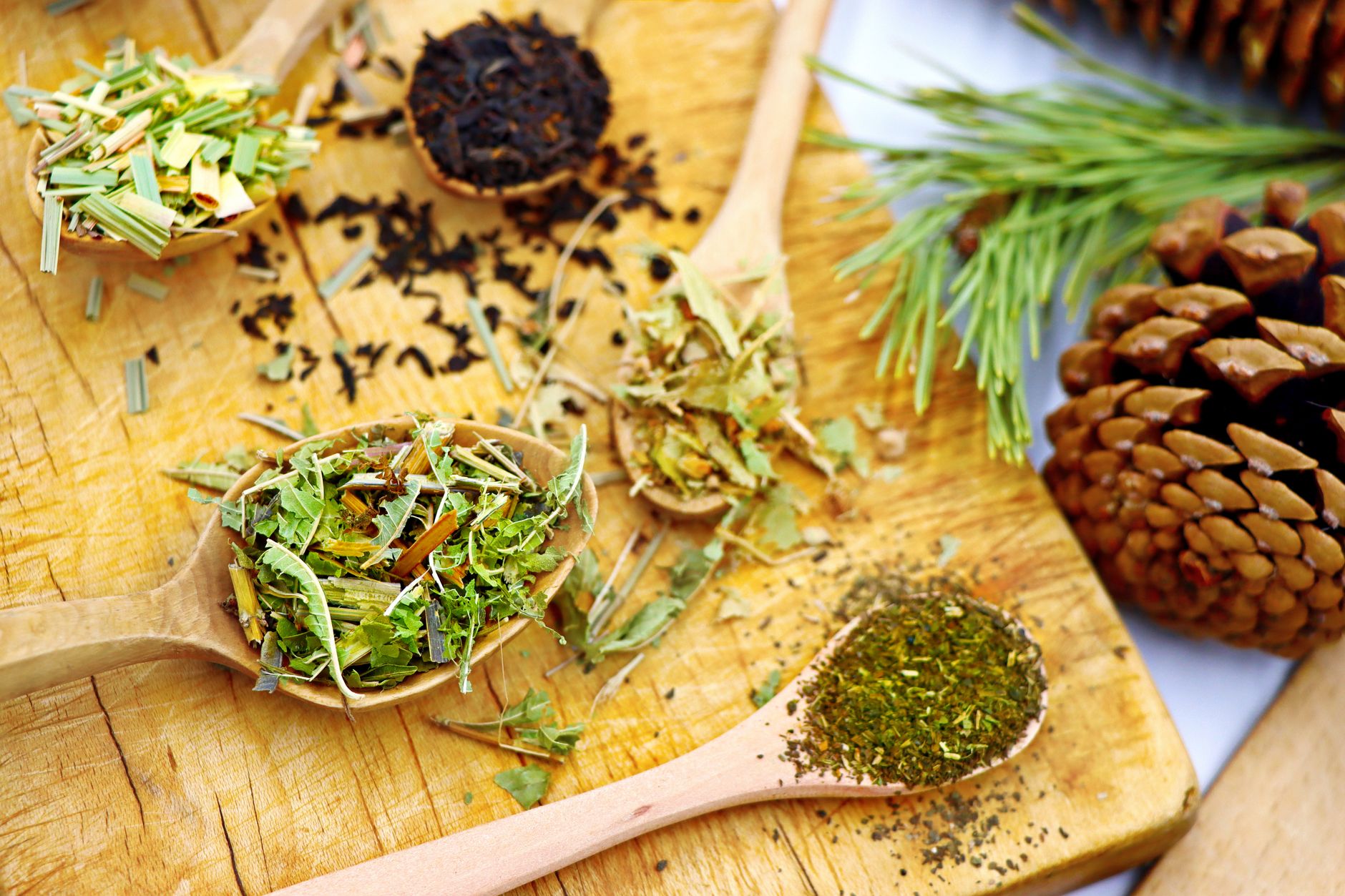
The Ancient Forest Remedy in Your Backyard Long before vitamin supplements lined the shelves of health food stores, people turned to the forest for medicine. Pine needle tea is one of the oldest and most accessible herbal remedies in the world, with a rich history spanning Indigenous North American traditions, Scandinavian folk medicine, and East Asian healing practices. The pine needles medicinal uses documented across these cultures are remarkably consistent — and modern research is beginning to back them up. Whether you're a seasoned herbalist or simply curious about what that pine tree in your backyard might offer, this guide will walk you through everything you need to know. What Is Pine Needle Tea, Exactly? Before diving into benefits, it helps to answer a foundational question: what is pine needle tea, and how is it made? Simply put, it's an herbal infusion brewed from the fresh green needles of certain pine trees. The needles are steeped in hot (not boiling) water for 5 to 15 minutes, releasing their volatile oils, vitamins, and plant compounds. The resulting tea has a bright, resinous, slightly citrusy flavor that many people find surprisingly pleasant. It's worth noting that pine medicine is not a single thing — different species and different preparation methods yield different results. Understanding the distinction matters, both for safety and for getting the most from your cup. Pine Needles Medicinal Properties: What's Actually Inside The medicinal uses of pine needles are rooted in a genuinely impressive phytochemical profile. Here's what makes the humble pine needle such a potent little package: Vitamin C — Fresh pine needles contain significantly more vitamin C per gram than oranges. Early explorers used pine needle tea to prevent and treat scurvy during long winters when fresh produce was unavailable. Vitamin A — Important for immune function, vision, and skin health. Antioxidants — Pine needles are rich in flavonoids and proanthocyanidins, compounds that help neutralize free radicals in the body. Alpha-pinene and other terpenes — These aromatic compounds give pine its distinctive scent and contribute to its antimicrobial and anti-inflammatory actions. Polyphenols — These plant compounds support cellular health and have been studied for their broad therapeutic potential. This combination of nutrients and bioactive compounds is what underlies the wide range of pine tree needle uses documented in traditional medicine systems around the world. Pine Needles Medicinal Uses: A Closer Look at the Benefits So what are the health benefits of pine needles, practically speaking? Let's explore the most well-supported uses. Immune System Support The high vitamin C content alone makes pine needle tea a compelling choice during cold and flu season. Vitamin C plays a central role in immune function, stimulating the production and activity of white blood cells. Beyond vitamin C, the antioxidant compounds in pine needles help reduce oxidative stress — a key factor in immune resilience. Regular consumption of antioxidant-rich foods and beverages is consistently associated with stronger immune defenses. Respiratory Relief One of the most celebrated pine medicinal uses across folk traditions is respiratory support. The aromatic compounds in pine — particularly alpha-pinene — have natural expectorant and antimicrobial properties. Breathing in the steam from a hot cup of pine needle tea can help loosen congestion and soothe irritated airways. Some herbalists recommend it specifically during chest colds, seasonal allergies, or bouts of bronchitis for this gentle, supportive effect. Anti-Inflammatory Action Chronic inflammation underlies a staggering number of modern health conditions. The flavonoids and polyphenols found in pine needles have demonstrated meaningful anti-inflammatory activity in laboratory studies. While clinical human trials are still limited, the traditional use of pine medicine for conditions like joint pain, headaches, and inflammatory respiratory conditions aligns well with what we understand about these compounds. Antioxidant and Cellular Protection Free radicals cause oxidative damage to cells, contributing to aging and disease. Pine needle tea provides a meaningful antioxidant boost that may help protect against this damage over time. Some early research has explored the antioxidant compounds in pine needles for their potential neuroprotective effects — a genuinely exciting frontier in pine needle research, though more human studies are needed. Mood and Mental Clarity This benefit is perhaps the most overlooked. The scent of pine itself — delivered through the aromatic steam of a warm cup of tea — has been shown to reduce psychological stress and promote a sense of calm alertness. Many people find a ritual cup of pine needle tea grounding and clarifying, particularly during stressful seasons. Whether this is purely psychosomatic or tied to the absorption of terpenes through inhalation is an interesting question — and likely both play a role. What Pine Needles Are Good for Tea? Safe Foraging Guide Here is where things get genuinely important. Not all pine needles are safe for tea , and knowing the difference is essential before you brew a single cup. Some trees commonly called "pines" are not true pines at all — and a few are potentially toxic. Here's a quick guide to safe foraging: Species that are excellent for tea: White Pine ( Pinus strobus ) — The gold standard for pine needle tea. White pine needles medicinal uses are the most extensively documented in North American herbal traditions. Needles grow in bundles of five and have a mild, pleasant flavor. Scots Pine ( Pinus sylvestris ) — Widely used in European herbal medicine. Needles grow in pairs. Eastern Red Pine ( Pinus resinosa ) — Another safe, commonly available option. Lodgepole Pine ( Pinus contorta ) — Used traditionally by Indigenous communities of the Pacific Northwest. Species and trees to avoid absolutely: Yew ( Taxus species) — Often mistaken for pine, yew is highly toxic and potentially fatal. Yew has flat, dark green needles with red berries. Norfolk Island Pine ( Araucaria heterophylla ) — A common houseplant that is toxic to consume. Ponderosa Pine ( Pinus ponderosa ) — Known to cause miscarriage in livestock; strongly avoid during pregnancy. Common Juniper ( Juniperus species) — Though sometimes used medicinally, it requires careful identification and is not recommended for casual brewing. Foraging tips for beginners: Always use a reliable field guide or plant identification app alongside in-person guidance. Harvest needles from trees away from roadsides, industrial areas, or anywhere that may have been sprayed with pesticides or herbicides. Choose bright green, healthy-looking needles rather than yellowed or damaged ones. Harvest in small amounts, leaving plenty on the tree. When in doubt, don't brew it — seek guidance from an experienced forager or herbalist. If foraging feels overwhelming, high-quality dried pine needles are available from reputable herbal suppliers, which removes the identification risk entirely. How to Make Pine Needle Tea Once you have safely identified and gathered your needles, preparing the tea is beautifully simple. Start by removing the brown papery sheaths at the base of the needle bundles — these are mildly resinous and can make the tea taste harsh. Give the needles a gentle rinse. Place a small handful of needles (roughly a tablespoon or two) into a mug or teapot. Pour water that is hot but not boiling over them — around 160–180°F (70–80°C) is ideal. Boiling water can destroy some of the vitamin C and volatile aromatic compounds that make the tea valuable. Steep for 5 to 15 minutes depending on your taste preference. Strain and enjoy as is, or with a small spoonful of honey. Some people enjoy a squeeze of lemon, which brightens the flavor and adds a little extra vitamin C. Who Should Avoid Pine Needle Tea? Like all herbal medicines, pine needle tea is not appropriate for everyone. Being informed about contraindications is a sign of wisdom, not weakness. Pregnant individuals should avoid pine needle tea. Certain pine species have historically been used to stimulate menstruation, and the uterine-stimulating potential of some compounds means that the risk is not worth taking during pregnancy — especially given the variation between species. Breastfeeding individuals should also exercise caution and seek professional guidance before consuming pine needle tea regularly. People with kidney disease should be careful with any herb that has diuretic properties, as pine has mild diuretic effects. Those with pine or resin allergies should avoid pine needle tea entirely, as it could trigger allergic reactions. Children should only consume herbal teas under professional guidance, and pine needle tea is no exception. A Note on Safety and Professional Guidance The information shared in this post is intended for educational purposes and reflects both traditional use and available research. It is not medical advice , and pine needle tea should not be used to diagnose, treat, or replace professional care for any health condition. If you are pregnant, nursing, managing a chronic health condition, or taking medications, please consult a qualified healthcare practitioner or clinical herbalist before incorporating pine needle tea — or any new herbal remedy — into your routine. Traditional plant medicine is most powerful when used thoughtfully and with proper guidance. Foraging identification is also something best learned in person from an experienced teacher. The stakes of misidentification are real, and there is no substitute for hands-on learning. Explore the World of Herbal Wellness with Societe If this deep dive into pine needle tea has sparked your curiosity about the healing gifts of the plant world, you're in exactly the right place. At Societe, we believe that good herbal medicine should be beautifully made, carefully sourced, and accessible to everyone. We'd love to invite you to browse our collection of thoughtfully crafted botanical offerings at societeapothecary.com — whether you're looking for pine needle tea, other herbal blends, or apothecary staples to stock your home wellness shelf. Come explore, and let the forest in. Three Pine Needle Recipes to Try at Home Classic Pine Needle Tea 1 cup fresh pine needles, chopped 2 cups water Honey or lemon (optional) Rinse the pine needles thoroughly to remove any dirt. Boil the water in a small pot. Add the pine needles to the boiling water and reduce heat to simmer for 15-20 minutes. Strain the tea into a mug, and add honey or lemon to taste if desired. Enjoy the invigorating aroma and flavor. Pine Needle Syrup 1 cup pine needles, rinsed and chopped 1 cup water 2 cups sugar Combine pine needles and water in a saucepan, bringing it to a gentle boil. Simmer for 20 minutes, then strain the liquid to remove the needles. Return the liquid to the saucepan, add sugar, and stir over low heat until dissolved. Allow the syrup to cool before transferring to a bottle. Use as a sweetener in teas or drizzled over pancakes. Pine Needle Bath Soak 2 cups fresh pine needles 1 cup Epsom salt 5 drops of essential pine oil (optional) Rinse and chop the pine needles, then place them in a muslin or cheesecloth bag. Fill your bathtub with warm water and add the Epsom salt, stirring to dissolve. Submerge the bag of pine needles in the bath, squeezing gently to release the oils. Add a few drops of pine essential oil for an enhanced forest aroma. Soak and relax for 15-20 minutes. Consult with a qualified practitioner, especially if pregnant or nursing, before using pine needle infusions or any herbal remedies.