Peppermint: The Ancient Herb That Belongs in Every Modern Wellness Routine
Société Team
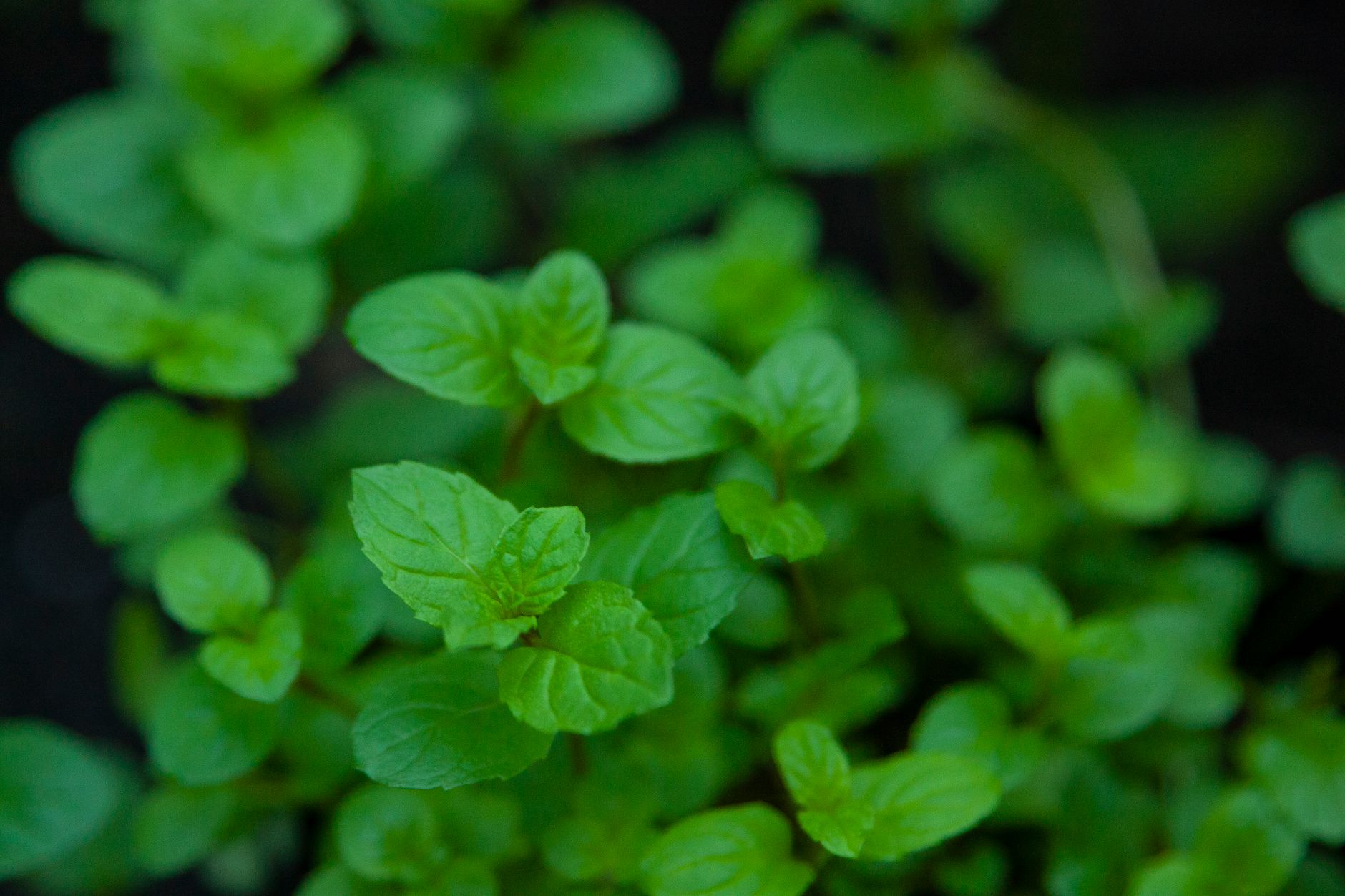
A Herb with Deep Roots and a Fresh Future There are very few herbs as instantly recognizable as peppermint. That bright, cooling burst of menthol is something most of us associate with comfort — a warm cup of tea, a clear breath on a cold morning, or the lingering freshness after a good meal. But peppermint is so much more than a flavor. The peppermint plant ( Mentha × piperita ) is a hybrid of watermint and spearmint, and it carries a rich legacy of healing that stretches back thousands of years. Today, it sits comfortably at the intersection of ancient herbal wisdom and modern wellness science. Whether you're just beginning your herbal journey or you're a seasoned plant enthusiast, understanding what peppermint truly has to offer can genuinely transform the way you use it. The Traditional Story of the Peppermint Plant Peppermint has been cultivated and cherished across cultures for millennia. Ancient Egyptians used it medicinally, and dried peppermint leaves have even been found in Egyptian tombs dating back to around 1000 BCE. The ancient Greeks and Romans wore peppermint as garlands and used it to flavor wines and sauces. It was also widely employed as a digestive herb — a tradition that has never really faded. In European folk medicine, peppermint became a go-to remedy for everything from headaches and fevers to nervous complaints and upset stomachs. Herbalists throughout the Middle Ages kept it close, and by the 18th century it was being formally cultivated in England for medicinal export. This long history of use across so many different cultures is not a coincidence. It speaks to the genuine and repeatable effectiveness of this remarkable plant. Understanding the Properties That Make Peppermint So Powerful The secret behind peppermint's wide range of benefits lies in its chemistry. The plant is rich in menthol , which is responsible for its signature cooling sensation, but it also contains menthone, menthyl acetate, limonene, and a host of other bioactive compounds. These compounds give peppermint several key therapeutic properties: Antispasmodic — it helps relax smooth muscle, which is especially useful in the digestive tract Analgesic — it can help ease pain, particularly headaches and muscle tension Antimicrobial — it has demonstrated activity against a range of bacteria and fungi Carminative — it helps relieve gas and bloating Cooling and refreshing — menthol activates cold receptors in the skin without actually lowering temperature These are not minor properties. Each one points to a specific and practical use that has been validated both by traditional herbalists and by contemporary research. Peppermint Tea Benefits: Your Daily Cup of Wellness If there's one way most people first encounter peppermint as a wellness herb, it's through a steaming cup of peppermint tea . And honestly? It's a wonderful place to start. Peppermint tea is naturally caffeine-free, making it a perfect choice at any time of day — particularly in the evening when you want something warm and comforting without disrupting your sleep. The peppermint tea benefits are both broad and well-supported. Digestive support is perhaps the most celebrated — a cup after a meal can help ease bloating, reduce nausea, and calm the kind of cramping discomfort that follows an indulgent dinner. Beyond digestion, many people find that peppermint tea helps with tension headaches. The menthol's relaxing effect on blood vessels and its mild analgesic properties make it a gentle but effective choice when the pressure starts to build behind your eyes. Peppermint tea also supports respiratory health. Breathing in the steam while you sip helps open up congested airways, which is why it feels so soothing when you're dealing with a cold or seasonal allergies. And perhaps underrated: the simple ritual of making and drinking a cup of peppermint tea is itself a wellness practice. It invites you to slow down, breathe deeply, and be present — which is never a small thing. Peppermint Benefits for Women: A Closer Look One area where peppermint has garnered significant attention is in its peppermint benefits for women . This is a topic that deserves thoughtful exploration. Peppermint has traditionally been used to help manage symptoms associated with the menstrual cycle. Its antispasmodic properties make it particularly useful for easing menstrual cramps, while its analgesic effects can help with associated headaches and body aches. Some research suggests that spearmint and peppermint teas may have mild anti-androgenic effects — meaning they could help balance hormone levels in women dealing with elevated androgens, a concern for those with conditions like PCOS (polycystic ovary syndrome). While this research is still developing, it is promising and worth discussing with a qualified healthcare provider. Peppermint is also a helpful ally during pregnancy-related nausea (though always consult your midwife or doctor before using any herb during pregnancy). Its refreshing, clear scent can offer genuine relief from that persistent queasiness that so many women experience in the first trimester. For women navigating perimenopause and menopause, peppermint's cooling properties can also offer a sense of relief during hot flashes — whether through tea, aromatherapy, or topical application. Peppermint Essential Oil and Peppermint Oil Spray: Versatile Wellness Tools Peppermint essential oil is one of the most widely used and researched essential oils in the world, and for good reason. It is highly concentrated, meaning a little goes a very long way. Aromatically, peppermint essential oil is energizing and clarifying. Diffusing it during work or study sessions can help sharpen focus and lift mental fatigue. It's a natural alternative to that third cup of coffee. Topically applied (always diluted in a carrier oil), peppermint oil is a powerhouse for muscle soreness and tension headaches. Applying a small amount to the temples or the back of the neck can ease that tight, throbbing discomfort remarkably well. A peppermint oil spray is one of the most practical ways to use peppermint in everyday life. Diluted peppermint oil in a spray bottle has several useful applications: Spritzing on pulse points for a cooling, energizing effect Refreshing linens and fabrics with a clean, natural scent Acting as a natural deterrent for certain insects, particularly spiders and ants Misting over the face during hot weather for an instant cooling sensation The versatility of peppermint oil spray makes it a smart, multi-purpose addition to your home wellness toolkit. Peppermint Oil Capsules: Targeted Digestive Support For those who want the more clinical, concentrated benefits of peppermint — particularly for digestive health — peppermint oil capsules are worth knowing about. Enteric-coated peppermint oil capsules have been studied quite extensively, particularly in relation to Irritable Bowel Syndrome (IBS). The enteric coating allows the capsule to bypass the stomach and release the oil directly in the intestines, where its antispasmodic action can be most effective. Multiple clinical trials have found that peppermint oil capsules can significantly reduce abdominal pain, bloating, and urgency in people with IBS. This is one area where the herb has crossed firmly into evidence-based medicine. It's important to use these capsules under appropriate guidance, as peppermint oil in high concentrations is potent and can cause side effects if misused. But for many people struggling with chronic digestive discomfort, they represent a genuinely meaningful natural option. How to Prepare and Use Peppermint at Home One of the most joyful aspects of working with peppermint is how accessible it is. You can grow a peppermint plant on your windowsill, find dried leaves at any health food store, or source high-quality dried herb through trusted apothecaries. Here are some simple and effective ways to enjoy peppermint at home: Peppermint tea: Steep 1–2 teaspoons of dried peppermint leaves in freshly boiled water for 5–10 minutes. Cover while steeping to retain the volatile oils. Enjoy up to three cups per day. Steam inhalation: Add a few drops of peppermint essential oil to a bowl of hot water, drape a towel over your head, and breathe deeply for a few minutes. Excellent for congestion and mental clarity. Topical compress: Brew a strong cup of peppermint tea, allow it to cool slightly, soak a cloth in it, and apply to the forehead or sore muscles. Culinary uses: Fresh or dried peppermint leaves can be added to salads, smoothies, desserts, and savory dishes — bringing both flavor and gentle digestive support. Growing your own peppermint plant is also deeply rewarding. It's a vigorous grower (keep it in a pot to prevent it from taking over your garden!), and having fresh leaves on hand means you always have wellness support right at your fingertips. Peppermint and the Bigger Wellness Picture In the modern wellness conversation, peppermint stands out as something rare: an herb that is both deeply traditional and robustly researched. It doesn't ask you to choose between ancient wisdom and contemporary science — it holds both with ease. Incorporating peppermint into your daily routine doesn't have to be complicated. A cup of tea in the evening. A drop of essential oil on your temples when stress peaks. A spray of peppermint mist on a hot afternoon. These small, consistent acts of self-care add up in meaningful ways. Peppermint also pairs beautifully with other herbs. It complements chamomile in digestive blends, works alongside lavender for relaxation, and brightens up adaptogenic blends that might otherwise feel heavy or bitter. The peppermint plant is, in many ways, a gateway herb — one that welcomes you warmly into the world of herbal wellness and keeps revealing new layers of value the longer you work with it. Bring Peppermint Into Your Life with Societe If you're ready to experience the full benefits of this extraordinary herb, we'd love to be part of your journey. Societe's thoughtfully sourced peppermint is waiting for you — explore it and add it to your wellness ritual at societeapothecary.com/product/peppermint/ . At Societe, every herb is chosen with care and intention, so you can trust that what you're bringing into your home is truly the best quality available. Three Peppermint Recipes to Try at Home Refreshing Peppermint Tea 1 tablespoon dried peppermint leaves (or a handful of fresh leaves) 2 cups boiling water Honey or lemon (optional) Place the peppermint leaves in a teapot or heatproof container. Pour the boiling water over the leaves, covering them completely. Let steep for 5-10 minutes, depending on your taste preference. Strain the tea into a cup, discarding the leaves. Sweeten with honey or add a slice of lemon if desired. Soothing Peppermint Oil Roll-On 10 drops peppermint essential oil 1 tablespoon carrier oil (such as jojoba or sweet almond oil) 10ml glass roll-on bottle Add the peppermint essential oil to the glass roll-on bottle. Fill the rest of the bottle with your chosen carrier oil. Secure the roll-on cap and gently shake the bottle to mix the oils. Apply to temples, wrists, or neck for an invigorating scent and soothing sensation. Cooling Peppermint Sugar Scrub 1 cup granulated sugar 1/4 cup coconut oil, melted 10 drops peppermint essential oil Optional: a few drops of green food coloring for a festive look In a mixing bowl, combine the sugar and melted coconut oil. Add the peppermint essential oil and mix well. If desired, add a few drops of green food coloring and stir until evenly distributed. Transfer the scrub to an airtight container and use gently on the skin for a refreshing exfoliation. Always consult with a qualified healthcare practitioner before incorporating new herbal remedies into your routine.