Partridgeberry: The Enchanting Native Herb with a Rich History of Healing
Société Team
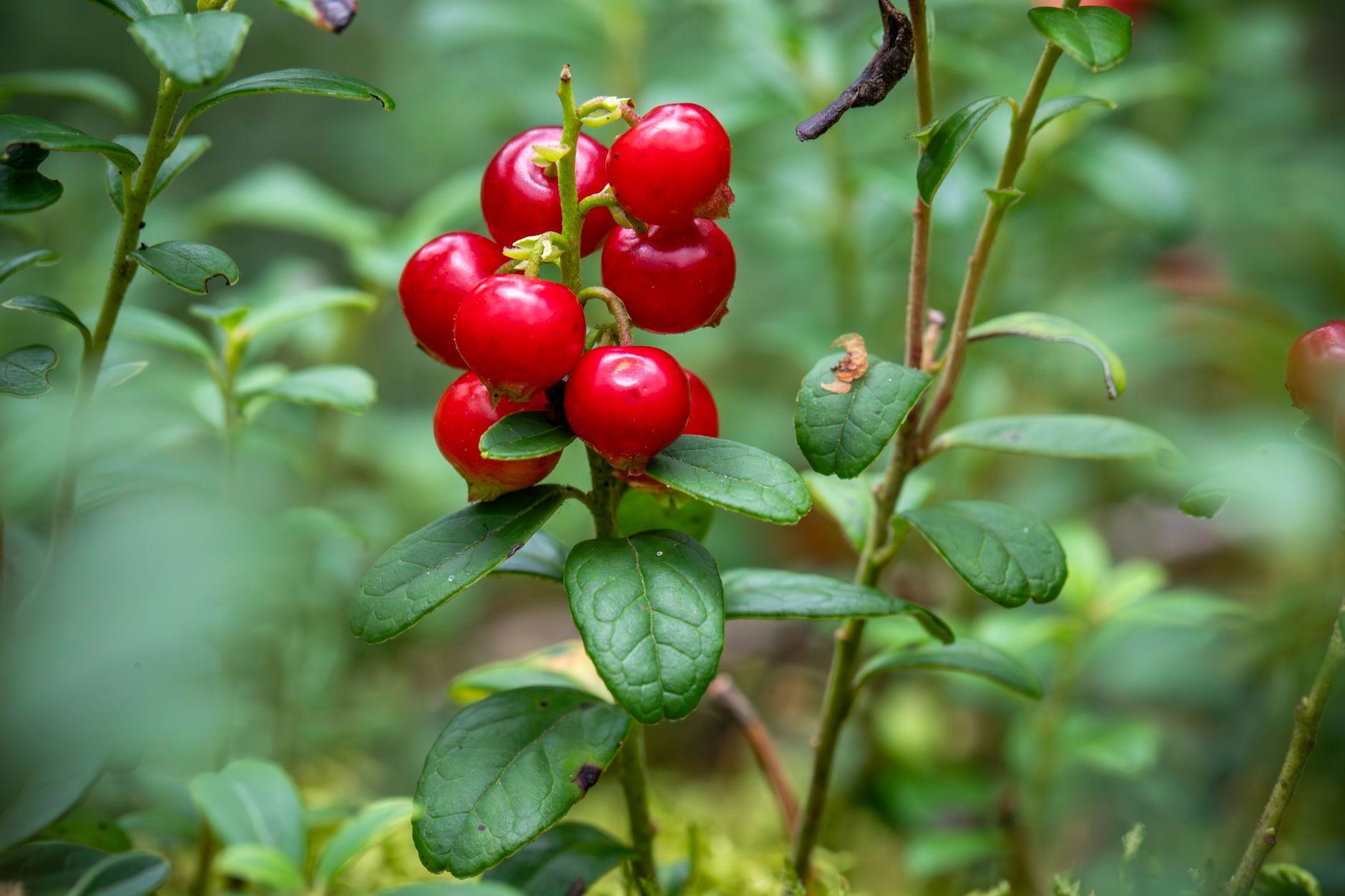
Meet Partridgeberry: A Woodland Gem Worth Knowing Tucked beneath the canopy of North American forests, trailing softly across mossy logs and damp soil, grows one of nature's most charming and useful plants. Partridgeberry ( Mitchella repens ) is a low-growing, evergreen native herb that has captured the hearts of herbalists, naturalists, and woodland wanderers for centuries. Despite its modest size, this little plant carries an outsized legacy. It has been used medicinally by Indigenous peoples, treasured by early American herbalists, and appreciated in modern wellness circles for its gentle yet meaningful contributions to health. Whether you've stumbled upon it on a forest walk or are hearing about it for the first time, partridgeberry deserves a prominent place in your herbal knowledge. Let's explore everything this remarkable plant has to offer. Understanding the Partridgeberry Plant: Botany and Native Range The partridgeberry plant ( Mitchella repens ) belongs to the Rubiaceae family, which also includes coffee and gardenia. It is a creeping, mat-forming perennial that stays close to the ground, rarely rising more than a few inches tall. Its small, round, dark green leaves are glossy and often feature pale white veins, giving it a striking ornamental quality year-round. In late spring and early summer, delicate partridgeberry flowers appear in pairs — tiny, tubular, white or pale pink blossoms with a sweet, faint fragrance. These paired flowers are botanically fascinating: they are fused at the base and must be pollinated together to produce a single berry. The result of that pollination is the plant's most recognizable feature: a bright red berry that persists on the vine through winter. The berry is technically the fused product of two flowers, which is why you'll notice two small dots (the remnants of the flower calyces) on each one. The partridgeberry native range spans a broad swath of eastern North America. It grows naturally from Newfoundland and Nova Scotia down through the Appalachian Mountains and into the Gulf States, and west toward Minnesota and Texas. It thrives in acidic, well-drained woodland soils, typically in the dappled shade of oak, pine, and mixed hardwood forests. As a partridgeberry ground cover , it is genuinely exceptional. It spreads slowly but steadily, forming a beautiful, dense carpet of glossy green that remains attractive even in the depths of winter when most other ground covers have died back. Traditional and Indigenous Uses of Partridgeberry Long before European settlers arrived on North American shores, Indigenous peoples had developed a deep and nuanced relationship with partridgeberry. The plant was used medicinally by numerous nations, including the Cherokee, Ojibwe, Iroquois, and many others. Among the most well-documented partridgeberry uses in traditional medicine was its role as a uterine tonic . Indigenous midwives and healers would prepare infusions of the leaves and give them to women in the weeks leading up to childbirth. It was believed to tone and prepare the uterus for labor, potentially reducing the risk of complications. For this reason, partridgeberry earned the folk name "squaw vine" — a term that, while now considered culturally inappropriate, reflects the deep historical association between this plant and women's reproductive health. Other traditional applications included: Supporting recovery after childbirth and easing postpartum discomfort Addressing irregular or painful menstruation Soothing urinary tract complaints and supporting kidney health Easing nervous tension and promoting restful sleep Treating skin irritations and sore nipples topically Early American herbalists, including those trained in the Eclectic medicine tradition of the 19th century, adopted many of these uses enthusiastically. Partridgeberry appeared in American herbal texts alongside other beloved botanicals and was considered a reliable, safe, and effective remedy for women's health concerns. Health Benefits and Herbal Properties Modern herbalists continue to work with partridgeberry, informed both by traditional wisdom and by a growing body of botanical research. While large-scale clinical studies remain limited, the plant's constituents offer some compelling clues about its potential benefits. Partridgeberry contains tannins , which are astringent compounds that can help tone and tighten tissues. This may partly explain its traditional use for uterine toning and its historical application as a topical remedy for irritated or inflamed skin. The plant also contains saponins , compounds known for their anti-inflammatory and potentially hormone-modulating properties. Some herbalists believe these saponins contribute to partridgeberry's reputation as a balancing herb for the female reproductive system. Additionally, partridgeberry has been noted for its mild diuretic properties , supporting kidney and urinary tract health by encouraging healthy fluid flow through the system. This may help explain its traditional use in addressing urinary discomfort. From a holistic herbalism perspective, partridgeberry is often classified as: Uterine tonic — supporting strength and tone in uterine tissue Astringent — helping to tighten and tone mucous membranes and tissues Nervine — gently calming to the nervous system Diuretic — encouraging healthy urinary output Anti-inflammatory — reducing irritation and swelling in tissues It is worth noting that partridgeberry is generally considered a gentle, food-like herb with a strong safety record when used appropriately. However, due to its effects on the uterus, it is traditionally avoided during pregnancy except under the guidance of a qualified midwife or herbalist in the final weeks before birth . Is Partridgeberry Edible? Exploring Its Culinary Side One of the questions people most frequently ask is: is partridgeberry edible? The answer is yes — the bright red berries are indeed edible, though they are not particularly flavorful on their own. The berries are quite bland, with a mild, slightly bitter taste and a mealy texture. They are not poisonous and have been eaten as a survival food and a woodland snack by Indigenous peoples and forest travelers for generations. Wildlife, particularly birds and small mammals like grouse and deer mice, also rely on the berries as a winter food source — which is one reason the plant carries the name "partridgeberry." In terms of culinary use, some people incorporate the berries into jams or jellies, where added sweetener and cooking bring out a more pleasant flavor. The leaves have also been used to make simple herbal teas or infusions, which carry the plant's medicinal properties in a gentle, accessible form. While partridgeberry will never compete with wild blueberries for flavor, its edibility makes it a safe and interesting plant to forage when you encounter it on woodland walks — just always forage responsibly and leave plenty for the wildlife that depends on it. How to Prepare and Use Partridgeberry There are several ways to work with partridgeberry as an herbal remedy, depending on your needs and preferences. Herbal Infusion (Tea): The most traditional preparation is a simple tea made from the dried leaves. Use about one to two teaspoons of dried herb per cup of hot water, steep for ten to fifteen minutes, and drink one to three cups daily. This method delivers the plant's tannins, saponins, and other water-soluble constituents gently and effectively. Tincture: A tincture (alcohol extract) of partridgeberry is another popular option, offering a concentrated and shelf-stable form of the herb. Tinctures allow for more precise dosing and are easy to incorporate into daily wellness routines. Topical Application: A strong infusion or diluted tincture can be applied to the skin to address irritation, soreness, or mild inflammation. Historically, poultices of the leaves were used in this way. Combination Formulas: Partridgeberry blends beautifully with other herbs traditionally used for women's reproductive health. Common companions include red raspberry leaf, cramp bark, black cohosh, and motherwort. When sourcing partridgeberry for herbal use, quality matters. Look for dried herb that is fragrant, vibrant in color, and sourced from a reputable supplier who prioritizes ethical wildcrafting or sustainable cultivation practices. Partridgeberry in the Garden: Growing This Native Beauty Beyond its medicinal applications, partridgeberry has earned well-deserved recognition as a stunning native ground cover for shade gardens. If you've been looking for partridgeberry plants for sale or even partridgeberry seeds , you're in good company — demand has grown steadily as native plant gardening has surged in popularity. Growing partridgeberry requires some patience. It spreads slowly and prefers specific conditions: moist, acidic, humus-rich soil and partial to full shade . It thrives in settings that mimic its natural forest habitat, such as beneath deciduous trees or alongside ferns and mosses. Once established, however, it is a remarkably low-maintenance plant. It is deer-resistant, drought-tolerant once settled, and provides year-round visual interest with its glossy foliage and winter berries. It also supports local ecosystems by providing food for wildlife and ground cover that prevents soil erosion. For gardeners who want to grow partridgeberry from partridgeberry seeds , be aware that germination can be slow and erratic. Many gardeners prefer to start with established plants or rooted cuttings for faster results. Either way, patience is rewarded with a beautiful, ecologically valuable carpet of green that will delight for years to come. Partridgeberry and Modern Wellness: Why This Herb Still Matters In an era of complex supplements and synthetic pharmaceuticals, there is something deeply grounding about working with a plant that has been used for healing for thousands of years. Partridgeberry embodies that tradition beautifully. For those exploring herbal support for women's health , reproductive wellness, or gentle urinary support, partridgeberry offers a time-tested, plant-based option rooted in genuine historical use. Its safety profile, gentle action, and long track record make it appealing to those who prefer to work with nature rather than against it. It also serves as a wonderful reminder that healing plants are often hiding in plain sight — trailing quietly beneath the trees, waiting to be noticed, appreciated, and put to good use. As interest in botanical medicine , native plants, and sustainable wellness practices continues to grow, herbs like partridgeberry are reclaiming the attention they deserve. They connect us to the land, to our ancestors, and to a way of caring for ourselves that feels both ancient and profoundly relevant. Discover Partridgeberry with Societe If you're ready to experience the gentle power of this remarkable herb for yourself, we warmly invite you to explore what Societe has to offer. You can find high-quality partridgeberry prepared with care and integrity at societeapothecary.com/product/partridgeberry/ . Whether you're a seasoned herbalist or just beginning your botanical journey, Societe is here to support you with thoughtfully sourced herbs and a genuine passion for plant medicine. Three Partridgeberry Recipes to Try at Home Partridgeberry Herbal Tea 1 tablespoon dried partridgeberry leaves 1 cup boiling water Honey or lemon (optional, to taste) Place the dried partridgeberry leaves in a teapot or heatproof mug. Pour the boiling water over the leaves. Steep for 10-15 minutes to allow the flavors and beneficial compounds to infuse. Strain the tea into a cup, discarding the leaves. Add honey or lemon to taste, if desired, and enjoy the soothing brew. Partridgeberry Syrup 1 cup fresh partridgeberries 1 cup water 1 cup sugar or honey 1 teaspoon lemon juice Combine partridgeberries and water in a small saucepan and bring to a gentle simmer.