Oregano: The Ancient Herb With Remarkable Modern Benefits
Société Team
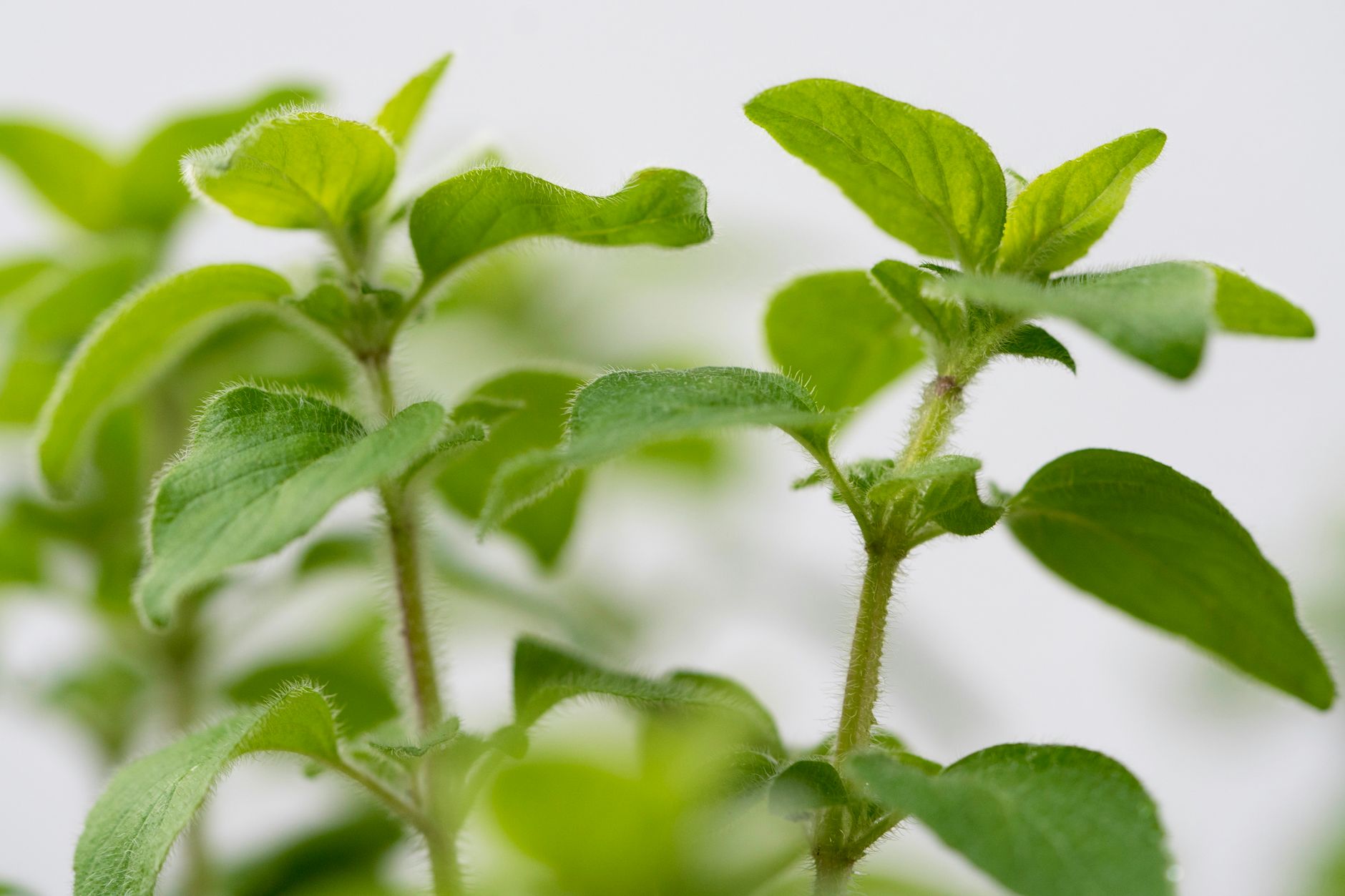
A Humble Herb With an Extraordinary Story If you've ever rubbed a fresh oregano leaf between your fingers and inhaled that bold, earthy, almost spicy scent, you've had a small taste of why this plant has been treasured for thousands of years. Oregano ( Origanum vulgare ) is one of the most beloved herbs in the world — and for very good reason. Long before it found its way onto Italian flatbreads and into Mediterranean kitchens, oregano was revered as a powerful medicinal plant by ancient Greeks and Romans. The name itself comes from the Greek words oros (mountain) and ganos (joy) — quite literally, "joy of the mountain." Today, oregano is experiencing a well-deserved renaissance in wellness circles, and modern science is beginning to confirm what traditional healers have known for centuries. Let's take a deep dive into this remarkable herb. Traditional Uses Across Cultures Ancient Greek physicians, including Hippocrates himself, used oregano as an antiseptic and to treat respiratory and digestive ailments. It was considered a gift from Aphrodite, symbolizing happiness and good fortune. In Ayurvedic and traditional Chinese medicine, oregano has long been used to support the respiratory system, ease digestive discomfort, and promote overall vitality. Indigenous cultures across the Mediterranean and Middle East incorporated oregano leaves into poultices, teas, and aromatic preparations. Roman soldiers are said to have carried oregano into battle for its wound-healing properties, rubbing it onto cuts and abrasions to ward off infection. Its long history of use as both a culinary and medicinal herb is a testament to just how versatile this plant truly is. The Science Behind Oregano Oil Benefits In recent decades, researchers have taken a serious interest in oregano oil and its remarkable properties. Much of its medicinal power comes from two primary compounds: carvacrol and thymol — both potent phenols with well-documented antimicrobial and antioxidant activity. Studies have shown that oregano oil benefits extend across a wide range of health concerns. Here are some of the most exciting areas of research: Antimicrobial action: Carvacrol has demonstrated the ability to inhibit the growth of bacteria including E. coli and Staphylococcus aureus , making oregano oil a subject of serious scientific interest in the age of antibiotic resistance. Antioxidant properties: Oregano ranks among the highest of all herbs in antioxidant content, helping to neutralize free radicals and reduce oxidative stress. Anti-inflammatory effects: Both carvacrol and thymol have shown meaningful anti-inflammatory activity in laboratory studies, which may help explain oregano's long history of use in easing pain and swelling. Antifungal potential: Research suggests that oregano oil can inhibit the growth of Candida albicans , the yeast responsible for candida overgrowth. Digestive support: Oregano has traditionally been used to ease bloating, gas, and indigestion, and some research supports its role in supporting gut health. It's worth noting that while oregano oil is highly concentrated and potent, it should always be diluted properly before topical use and used in appropriate amounts when taken internally. Oregano Benefits for Women One area of growing interest is the role of oregano benefits for women specifically. Historically, oregano was used in herbal traditions to support menstrual regularity and ease cramping. Its anti-inflammatory properties may offer comfort during uncomfortable menstrual cycles, and its antioxidant richness supports overall hormonal health. Some herbalists also point to oregano's potential role in supporting bone density, which becomes increasingly important for women as they age. Additionally, oregano's antimicrobial and antifungal properties make it a popular natural support for women dealing with recurring yeast infections or bacterial imbalances — though it's always important to consult with a healthcare provider before using any herb therapeutically. Oregano is also a gentle but effective digestive aid, which matters because gut health and hormonal balance are deeply interconnected in women's wellbeing. Supporting your digestive system often has ripple effects throughout the entire body. Oregano Oil Capsules and How to Use This Herb One of the beautiful things about oregano is how many ways there are to incorporate it into your wellness routine. From fresh oregano leaves in your cooking to concentrated oregano oil capsules , there's an option for everyone. Fresh and dried oregano leaves are the most accessible starting point. Adding generous amounts of this herb to your cooking means you're getting a steady stream of antioxidants and beneficial compounds with every meal. Mediterranean-style cooking, rich in oregano, olive oil, and vegetables, is consistently associated with longevity and reduced chronic disease risk. Oregano tea is another wonderful preparation method. Simply steep a teaspoon of dried oregano leaves in hot water for 5–10 minutes, strain, and sip. This is a soothing way to support respiratory health during cold and flu season, and it has a pleasantly robust, herby flavor that pairs beautifully with a squeeze of lemon and a little raw honey. Oregano oil is the most concentrated form of this herb and deserves some careful attention. When used topically, it must always be diluted in a carrier oil like coconut or olive oil — typically at a ratio of 1–2 drops of oregano oil per teaspoon of carrier oil. When used internally, quality matters enormously; look for oils standardized to a high percentage of carvacrol. Oregano oil capsules offer a convenient, pre-measured way to take oregano oil internally without having to deal with the intensely strong flavor of the oil itself. Many people find capsules easier to incorporate into a daily wellness routine, particularly when using oregano oil to support immune health or gut balance. Oregano Oil and Black Seed Oil: A Powerful Pairing If you've been exploring herbal wellness, you may have come across the growing conversation around oregano oil and black seed oil used together. Both are celebrated in traditional medicine and backed by a growing body of scientific research. Black seed oil ( Nigella sativa ) is rich in thymoquinone, a compound with its own impressive antioxidant, anti-inflammatory, and immune-supporting properties. When combined with the carvacrol-rich power of oregano oil, many herbalists and holistic practitioners consider them a complementary duo. Some people use both oils as part of a seasonal immune support protocol, or to support gut health and microbial balance. As always, starting slowly with any potent herbal preparation and listening to your body is key — and consulting a qualified herbalist or healthcare provider is always a wise step. The synergy between these two ancient oils is a beautiful reminder that many of the most powerful wellness tools available to us have been right under our noses — sometimes literally — for thousands of years. Growing the Oregano Plant: A Joy in the Garden There's something deeply satisfying about growing your own oregano plant at home. Oregano is remarkably easy to grow, thrives in poor, well-drained soil, and loves full sun — making it a forgiving choice even for beginner gardeners. One of the most interesting aspects of growing oregano is thinking about oregano companion plants — those that grow particularly well alongside it in the garden. Oregano makes an excellent companion for: Tomatoes: Oregano is said to repel aphids and spider mites that commonly plague tomato plants. Peppers: The two plants share similar growing conditions and oregano may help deter common pepper pests. Brassicas (broccoli, cabbage, cauliflower): Oregano's strong scent can help confuse and repel cabbage moths. Roses: Growing oregano near roses may help deter aphids naturally. Grapes: Some growers believe oregano improves the flavor of grapes grown nearby. Oregano also attracts pollinators like bees and butterflies when it flowers, making it a wonderful addition to any garden ecosystem. It can be grown in containers on a balcony or windowsill just as happily as it grows in a garden bed. Harvesting is simple — snip stems just before or during flowering for the most intense flavor and medicinal potency. Dry your harvest by hanging small bundles upside down in a warm, well-ventilated space. Oregano Substitutes and Culinary Wisdom Sometimes you reach for the oregano jar and find it empty at the worst possible moment. Knowing a good oregano substitute can save your meal. The closest substitute is marjoram , which is actually a close botanical relative of oregano and shares a similar flavor profile, though it's slightly milder and sweeter. Thyme is another excellent option, offering a similarly earthy, Mediterranean quality. In some dishes, a small amount of dried basil or Italian seasoning blend can work well too. For fresh oregano leaves, fresh thyme or fresh marjoram are your best bets as a 1:1 swap. Keep in mind that dried oregano is more concentrated in flavor than fresh — generally, one teaspoon of dried oregano equals about one tablespoon of fresh. Culinary oregano isn't just about flavor, either. Every time you cook generously with this herb, you're delivering antioxidants and anti-inflammatory compounds to your body in the most delicious possible way. This is the essence of food as medicine — a philosophy that wellness traditions around the world have embraced for millennia. Bringing Oregano Into Your Wellness Practice Oregano is one of those rare herbs that bridges the gap between the kitchen and the apothecary with extraordinary grace. Whether you're sipping it as a warming tea on a rainy afternoon, diffusing oregano oil to purify the air in your home, taking oregano oil capsules as part of your immune support routine, or simply cooking rich, herb-abundant meals, you are participating in a wellness tradition that stretches back thousands of years. Consistency matters most with herbal wellness. The cumulative effect of incorporating healing herbs like oregano into your daily life — in food, in tea, in supplemental form — builds over time and supports your body from the inside out. As with any powerful herbal preparation, especially concentrated oregano oil, it's important to use quality products from trusted sources, start with smaller amounts to assess your body's response, and work with a knowledgeable practitioner if you are managing any health conditions or taking medications. The journey into herbal wellness is one of the most rewarding paths you can take for your long-term health — and oregano is a wonderful, approachable place to begin or deepen that journey. Ready to Explore Oregano for Yourself? If you're inspired to bring the healing power of oregano into your daily life, Societe makes it beautifully easy to get started. Visit societeapothecary.com/product/oregano/ to explore their thoughtfully sourced oregano and experience the difference that quality truly makes. We'd love to be part of your wellness journey. Three Oregano Recipes to Try at Home Oregano-Infused Olive Oil 1 cup extra virgin olive oil 1/4 cup fresh oregano leaves Gently wash and dry the fresh oregano leaves thoroughly. In a clean, dry saucepan, warm the olive oil over low heat—do not let it boil. Add the oregano leaves to the warm oil and let it steep on low heat for about 10 minutes. Remove from heat and allow the mixture to cool. Strain the oil into a clean glass bottle or jar, discarding the leaves. Seal tightly and store in a cool, dark place. Use within one month for deliciously infused dressings or drizzles. Oregano Herbal Tea 2 teaspoons dried oregano leaves 1 cup boiling water Honey or lemon (optional) Place the dried oregano leaves in a tea infuser or teapot. Pour boiling water over the leaves and cover. Allow the tea to steep for 5-10 minutes, depending on your taste preference. Strain the tea int