Nutmeg: The Ancient Spice with Remarkable Wellness Benefits
Société Team
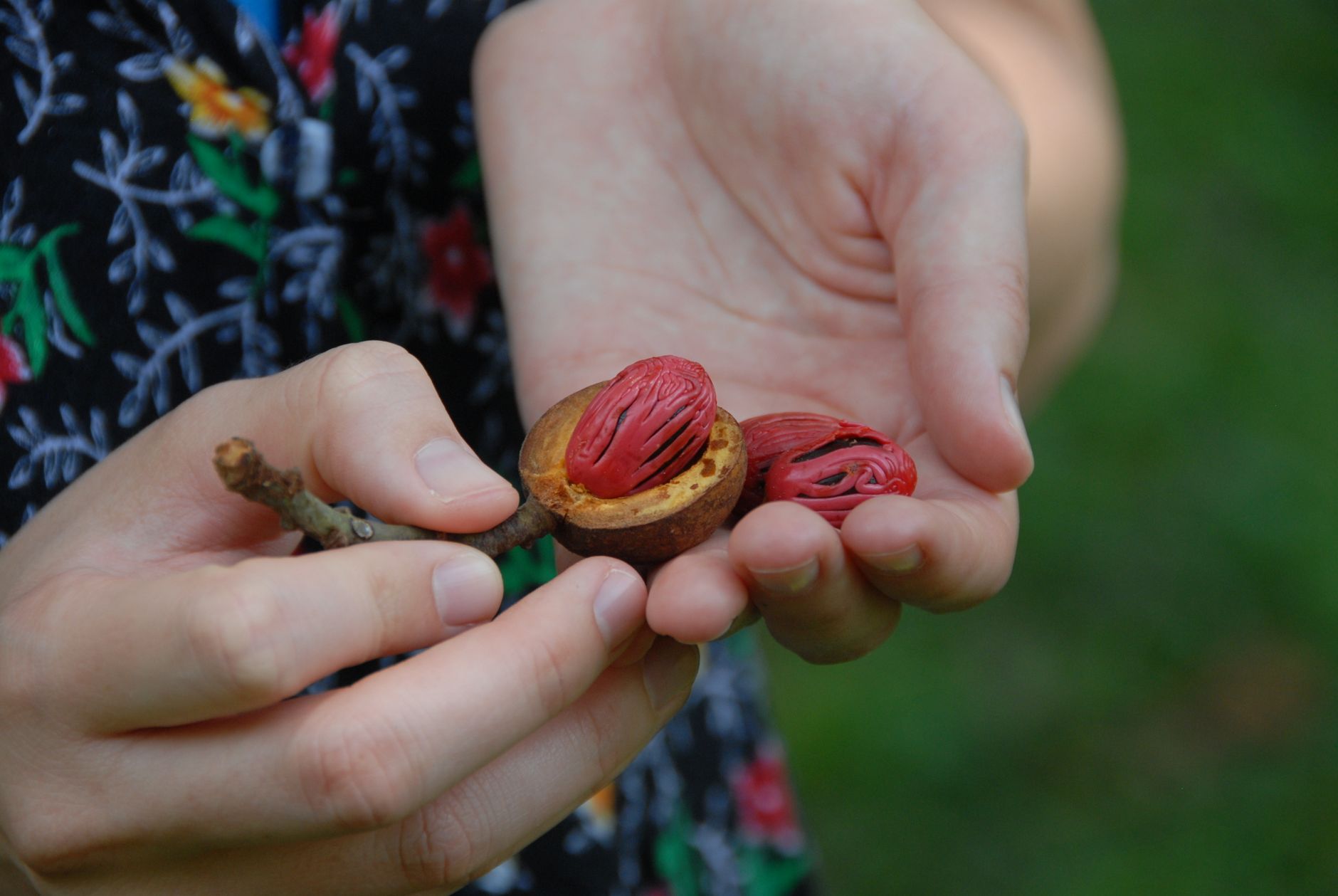
What Is Nutmeg? Understanding This Remarkable Spice Nutmeg is one of the world's most fascinating and complex spices, carrying centuries of history, mystery, and medicinal wisdom in every fragrant seed. It comes from the Myristica fragrans tree, an evergreen native to the Banda Islands of Indonesia — once famously known as the Spice Islands. What makes nutmeg especially unique is that a single fruit yields two distinct spices : the seed itself (nutmeg) and the lacy red covering around the seed (mace). Both are prized in cooking and herbal traditions worldwide, but nutmeg has always held the more celebrated place in global culture. If you've ever wondered about the nutmeg meaning beyond the kitchen, you're not alone. The name derives from the Latin nux myristica , meaning "fragrant nut," and across cultures it has symbolized warmth, protection, luck, and healing. In Spanish-speaking countries, it is known as nuez moscada — literally "musky nut" — a name that perfectly captures its warm, earthy, slightly sweet aroma. A Spice That Shaped History: The Story Behind Nutmeg It is hard to overstate how valuable nutmeg once was. During the medieval period and into the Renaissance, nutmeg was worth more than gold by weight in some parts of Europe. Merchants, kings, and empires clashed over control of the islands where it grew — the Dutch, Portuguese, and British all fought bitterly for dominance of the nutmeg trade. The Dutch East India Company (VOC) eventually gained near-total control of the Banda Islands in the 17th century, going so far as to massacre entire indigenous populations to maintain their monopoly. A single pound of nutmeg could be bought in the Spice Islands for a fraction of a penny and sold in London for the equivalent of a week's wages. This wasn't just about flavor. Nutmeg was believed to ward off the plague , prevent illness, and even extend life. Wealthy Europeans carried whole nutmegs in silver pocket graters, grating a small amount into food and drinks wherever they went. The spice was a symbol of status, medicine, and mysticism all at once. Traditional medicine systems across Asia, the Middle East, and Europe have long recognized the power of nutmeg spice. In Ayurveda, it was used to support digestion, calm the nervous system, and promote restful sleep. In Traditional Chinese Medicine, it was applied to warm the stomach and address digestive stagnation. Nutmeg Benefits: What Science and Tradition Both Agree On Modern research is beginning to validate what traditional healers have known for thousands of years. Nutmeg benefits are wide-ranging, touching everything from digestive health to mental well-being, and they deserve a thoughtful, detailed look. Nutmeg contains a rich array of bioactive compounds, including myristicin, elemicin, safrole, and eugenol. These compounds contribute to its anti-inflammatory, antioxidant, antimicrobial, and even mild sedative properties. Here are some of the most well-documented benefits: Digestive support: Nutmeg has long been used to ease bloating, gas, nausea, and indigestion. Its carminative properties help relax the smooth muscles of the digestive tract. Sleep promotion: Small amounts of nutmeg, particularly in warm milk before bed, are a traditional remedy for insomnia and restlessness. Anti-inflammatory action: The eugenol in nutmeg mirrors what is found in cloves and has demonstrated meaningful anti-inflammatory activity in research settings. Antimicrobial properties: Nutmeg extracts have shown activity against several strains of bacteria, including those associated with oral health and foodborne illness. Brain health support: Myristicin, a primary active compound in nutmeg, has been studied for its potential to inhibit certain enzymes associated with cognitive decline. Blood sugar regulation: Preliminary research suggests nutmeg may help support healthy blood sugar metabolism, though more human trials are needed. Beyond these, nutmeg is a meaningful source of several essential minerals, including manganese, copper, and magnesium , all of which play important roles in enzyme function, bone health, and cardiovascular wellness. Nutmeg Benefits for Women: A Closer Look When it comes to nutmeg benefits for women specifically, the spice has a long and respected history as a supportive herb for hormonal and reproductive wellness. In traditional Ayurvedic and Unani medicine, nutmeg was considered a warming herb with particular affinity for the female reproductive system. It was historically used to help regulate menstrual cycles, ease menstrual cramps, and support a healthy libido — often combined with other warming spices like saffron and cardamom. Some modern herbalists also recommend small amounts of nutmeg as a natural mood-balancing tool, particularly for women experiencing premenstrual mood shifts. Its mild sedative and anxiolytic (anxiety-reducing) properties may contribute to this effect. Nutmeg also contains phytoestrogens — plant compounds that interact gently with estrogen receptors in the body. While research is still evolving, some practitioners believe this may contribute to its traditional reputation as a female tonic herb. Of course, as with all herbs, moderation is key . Nutmeg is a powerful spice and should always be used in culinary or low-dose supplemental amounts for everyday wellness. Understanding the Nutmeg Liver and Other Important Safety Notes No comprehensive guide to nutmeg would be complete without addressing an important anatomical and medical term: nutmeg liver . This phrase refers to a specific appearance that the liver takes on in cases of chronic venous congestion — the mottled red-and-yellow pattern on the liver's surface resembles the cut cross-section of a nutmeg seed. This is a medical term used by pathologists and clinicians, not a condition caused by eating nutmeg. It's worth mentioning because it comes up frequently in searches and can cause unnecessary alarm for those encountering the term for the first time. On the topic of safety, nutmeg as a culinary spice and herbal remedy is entirely safe in normal amounts — the quantities found in cooking and traditional herbal preparations are well within a safe range for most adults. A pinch in your morning oatmeal or a dash in a golden milk latte poses no concern whatsoever. However, nutmeg contains myristicin and other compounds that can cause psychoactive effects in very large doses — think tablespoons at once, far beyond any culinary or wellness use. At such extreme doses, side effects can include nausea, hallucinations, and rapid heart rate. This is why nutmeg is treated with respect in herbal traditions and why dosage guidance matters. Pregnant women are generally advised to use nutmeg only in culinary amounts and to consult their healthcare provider before taking it in supplemental form. How to Prepare and Use Nutmeg Powder in Your Daily Life One of the most appealing things about nutmeg is how beautifully it integrates into everyday life. Nutmeg powder is the most common form you'll encounter, and it's extraordinarily versatile. In the kitchen, nutmeg shines in both sweet and savory applications. It's a classic addition to béchamel sauce, creamed spinach, and potato gratin. On the sweeter side, it elevates custards, pies, eggnog, and spiced baked goods. For wellness-focused uses, consider these simple daily practices: Stir a small pinch of nutmeg into warm milk or a plant-based milk alternative before bed to support restful sleep. Add a dash to your morning smoothie, oatmeal, or golden milk latte for a warming digestive boost. Combine with honey and ginger in warm water as a traditional digestive tonic. Mix into a face mask with honey and yogurt — nutmeg's antimicrobial properties make it a traditional skin-clearing ingredient in many cultures. For maximum freshness and potency, many herbalists recommend purchasing whole nutmeg seeds and grating them fresh as needed using a microplane or dedicated spice grater. The aroma and flavor of freshly grated nutmeg is markedly superior to pre-ground powder that has been sitting on a shelf. When looking for a nutmeg substitute in recipes, mace is the most natural choice since they come from the same fruit. Allspice, cinnamon, or a combination of cinnamon and cloves can also approximate nutmeg's warmth in many recipes, though none fully replicate its distinctive character. Nutmeg in Global Wellness Traditions and Modern Herbalism Nutmeg's journey through global wellness traditions is nothing short of extraordinary. From the Ayurvedic Jatiphala to the Arab world's Jauz al-Tib , this spice has been revered across virtually every major healing tradition on Earth. In West Africa, nutmeg has been used in spiritual and protective rituals, carried as a talisman or burned as incense to invite good fortune. In the Caribbean, it is a central ingredient in both cuisine and bush medicine, used for everything from headaches to high blood pressure support. Modern Western herbalism has embraced nutmeg as a warming, grounding herb — particularly useful for those with cold constitutions, sluggish digestion, or nervous exhaustion. It pairs beautifully with other warming spices like ginger, clove, and cardamom in formulas designed to kindle digestive fire and support overall vitality. Aromatherapy practitioners use nutmeg essential oil to ease muscle aches, support circulation, and create a sense of warmth and comfort during cold months. The oil is often blended with orange, clove, or cedarwood for a deeply grounding winter diffuser blend. As interest in whole-herb wellness continues to grow, nutmeg is experiencing a well-deserved renaissance — recognized not just as a holiday flavoring, but as a genuinely powerful botanical ally. Bringing Nutmeg into Your Wellness Routine Nutmeg is one of those herbs that rewards the curious. The more you learn about it — its history, its chemistry, its cultural meanings — the more appreciation you develop for this small, fragrant seed that once moved empires and continues to quietly support health and well-being in kitchens and apothecaries around the world. Whether you are drawn to it for its digestive support, its sleep-promoting warmth, its skin-clearing properties, or simply its extraordinary flavor, there is a place for nutmeg in a thoughtful wellness practice. If you are ready to explore the beauty and benefits of this ancient spice, Societe makes it easy and wonderful. Visit societeapothecary.com/product/nutmeg/ to explore their carefully sourced nutmeg and bring this timeless botanical treasure into your home. Your wellness journey deserves ingredients you can trust — and Societe is here to help you find them.