Myrrh: The Ancient Resin with Timeless Healing Power
Société Team
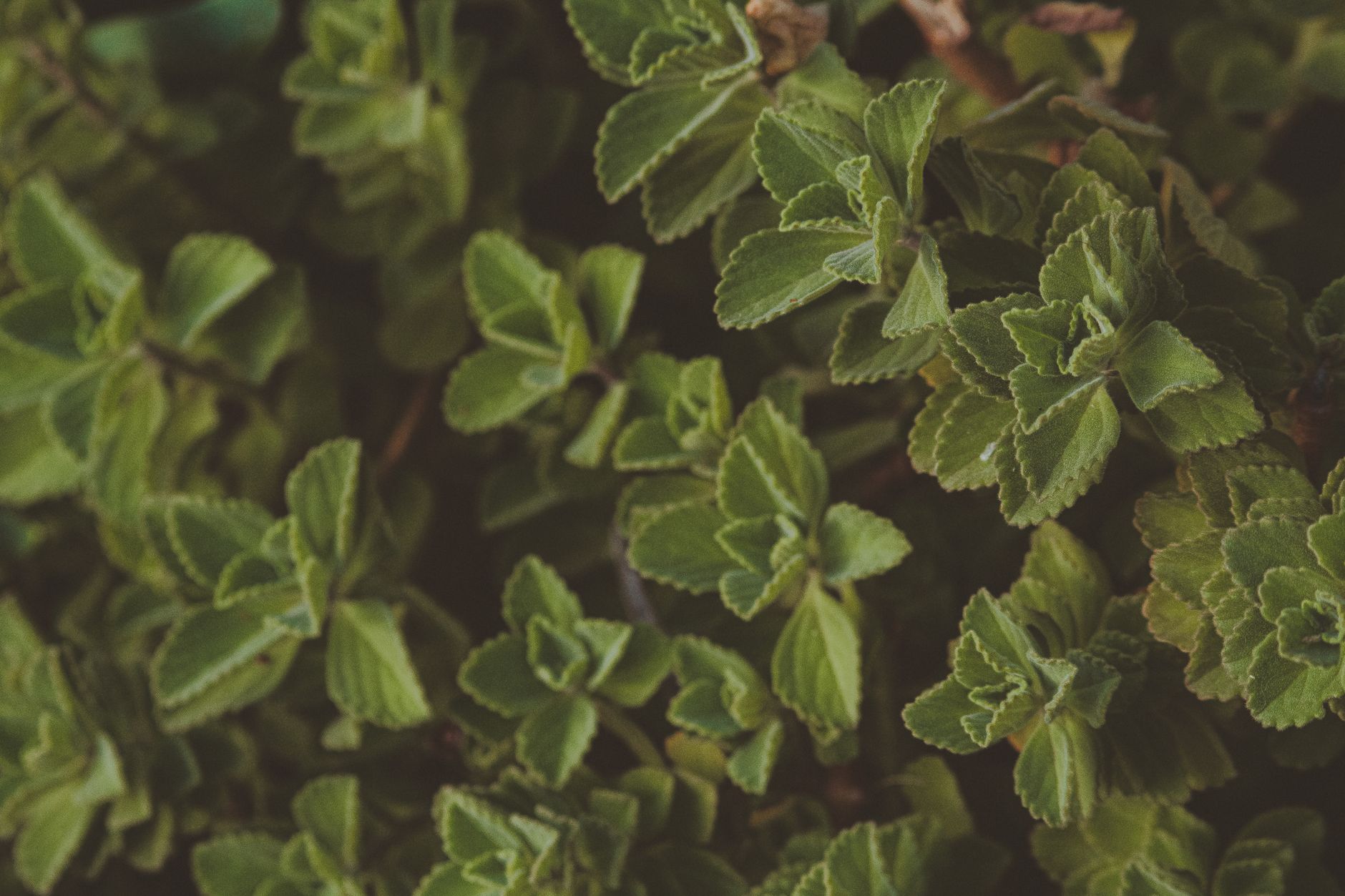
What Is Myrrh? Meaning, Definition, and Origins Myrrh is one of those words that carries an almost magical weight to it. If you've ever paused over its spelling — perhaps during a game like Wordle — you're not alone. The myrrh pronunciation trips people up too: it's simply said as "mur," rhyming with "her." The myrrh definition, at its core, is straightforward: it is a natural resin harvested from the thorny Commiphora trees that grow across northeastern Africa and the Arabian Peninsula. When the bark is cut or wounded, a reddish-brown, aromatic sap oozes out and hardens into irregular, tear-shaped lumps known as myrrh resin . But the full myrrh meaning is far richer than any dictionary entry can capture. This resin has been traded, revered, and burned in rituals for over five thousand years, making it one of the oldest botanical substances in recorded human history. A Sacred History: Myrrh Through the Ages Myrrh holds an extraordinary place in the story of human civilization. Ancient Egyptians used it in embalming, perfumery, and offerings to their gods. It was so precious that it was traded along incense routes spanning continents. In ancient Greek and Roman medicine, myrrh was prized as a wound healer and antiseptic. Physicians applied it directly to battle injuries, trusting its natural properties to ward off infection. Perhaps most famously, myrrh appears in religious texts across multiple traditions. It was one of the three gifts brought to the infant Jesus, alongside gold and frankincense — a testament to how deeply it was valued in the ancient world. In Traditional Chinese Medicine and Ayurveda, myrrh has equally deep roots, used for centuries to move stagnant energy, reduce inflammation, and support vitality. Understanding Myrrh Resin and Its Natural Properties So what makes myrrh resin so special? The answer lies in its rich and complex chemical composition. When scientists began analyzing myrrh more closely, they discovered a fascinating array of bioactive compounds. The resin contains terpenoids and sesquiterpenes, including compounds called curzerene and furanodiene, which have demonstrated impressive anti-inflammatory and antimicrobial activity in research settings. It also contains resins, gums, and volatile oils that contribute to both its therapeutic effects and its warm, earthy, slightly bitter aroma. Myrrh resin is typically dark amber to reddish-brown in color with a rough, irregular surface. When held to the light, you can see its translucency — almost glowing. It has a bittersweet, warm, slightly smoky scent that becomes fuller and richer when warmed or burned. Myrrh Oil and Myrrh Essential Oil: Concentrated Wellness While raw resin is powerful on its own, myrrh oil and myrrh essential oil bring an even more concentrated form of this ancient healer into modern wellness routines. Myrrh essential oil is steam-distilled or CO2-extracted from the resin, capturing its most volatile and therapeutic aromatic compounds. The result is a thick, golden-amber oil with an intensely warm, balsamic, slightly medicinal fragrance. In aromatherapy, myrrh essential oil is widely used for: Calming the nervous system and easing anxiety or emotional overwhelm Supporting meditation and spiritual practices with its grounding, centering scent Promoting skin healing when diluted appropriately in a carrier oil Soothing respiratory discomfort when diffused during cold and flu season Myrrh oil blends beautifully with frankincense, sandalwood, lavender, and citrus oils. Together, these combinations create blends that are both deeply grounding and uplifting — a lovely balance for mind and body. When using myrrh essential oil topically, always dilute it in a quality carrier oil such as jojoba, rosehip, or sweet almond oil. A typical dilution of 2–3% (about 12–18 drops per ounce of carrier) is appropriate for most adults. Myrrh Benefits: What the Research and Tradition Tell Us The myrrh benefits celebrated by ancient healers are increasingly supported by modern science — a beautiful convergence of traditional wisdom and contemporary research. Anti-inflammatory and Pain-Relieving Effects One of the most well-documented myrrh benefits is its ability to reduce inflammation. Studies have shown that compounds in myrrh inhibit certain inflammatory pathways in the body, making it potentially useful for conditions like arthritis, sore muscles, and general inflammatory pain. This is why myrrh has been used topically for joint and muscle discomfort for centuries. Whether applied as a diluted oil or used in a warm compress, its anti-inflammatory properties make it a valuable ally. Antimicrobial and Oral Health Support Myrrh has powerful antimicrobial properties that have earned it a respected place in natural oral care. It is a traditional remedy for gum disease, mouth sores, and bad breath. You'll find myrrh extract listed as an ingredient in herbal toothpastes and mouthwashes for exactly this reason. Research has confirmed that myrrh shows activity against a range of bacteria and fungi, including some strains that cause common oral infections. A simple myrrh tincture diluted in water can be used as a gentle mouth rinse. Skin Healing and Wound Care Myrrh's reputation as a wound healer is ancient — and justified. Its antimicrobial and anti-inflammatory properties combine to make it excellent for supporting skin healing. It has been used on minor cuts, abrasions, chapped skin, and inflammatory skin conditions. In modern skincare, myrrh oil is increasingly appearing in anti-aging formulations. Its astringent and antioxidant properties make it supportive for mature skin, helping to firm, tone, and protect against environmental stressors. Digestive Support Traditionally, myrrh has also been used to support healthy digestion. It was taken internally — usually as a tincture or resin preparation — to ease indigestion, bloating, and intestinal discomfort. Some herbalists use it today as a gentle bitter tonic to stimulate digestive secretions and improve overall gut function. Myrrh Benefits for Women: A Closer Look Myrrh benefits for women deserve their own conversation, because this resin has a particularly strong tradition of supporting women's health across many healing systems. In Traditional Chinese Medicine, myrrh is classified as an herb that moves blood and resolves stagnation. This makes it traditionally relevant for supporting healthy menstrual cycles, easing menstrual cramping, and addressing irregular periods associated with what TCM practitioners describe as blood stagnation. Myrrh has also been used in preparations to support postpartum recovery. Its ability to reduce inflammation and promote healing made it a trusted herb for women navigating the physical demands of childbirth and the weeks that follow. In Ayurvedic tradition, myrrh — known as Guggul in some contexts — is used to balance the body and support reproductive vitality. Its warming, moving qualities are thought to bring energy and circulation to areas of stagnation. Important note: Because myrrh may stimulate uterine contractions, it is generally advised that pregnant women avoid therapeutic doses of myrrh resin or myrrh essential oil internally. Always consult with a qualified healthcare provider before using myrrh therapeutically during pregnancy or while breastfeeding. How to Prepare and Use Myrrh in Your Wellness Practice One of the wonderful things about myrrh is how versatile it is. There are many accessible ways to bring this ancient resin into your daily life. As Incense or Resin Burning Burning myrrh resin on a charcoal disc is one of the oldest and most atmospheric ways to experience it. The rising smoke creates a warm, sacred atmosphere that is perfect for meditation, yoga practice, or simply creating a sense of calm at the end of a long day. Many people burn myrrh alongside frankincense to create a deeply grounding and clarifying space. As a Tincture Myrrh tincture — myrrh resin extracted into alcohol — is one of the most practical ways to use it therapeutically. It can be diluted in water for use as a mouth rinse, applied sparingly to minor skin issues, or used in small amounts to support digestive health. In Skincare and Body Oils Adding myrrh essential oil to a homemade body oil, face serum, or lotion is a wonderful way to benefit from its skin-supporting properties every day. A simple blend of rosehip oil, a few drops of myrrh essential oil, and a touch of lavender makes a beautifully nourishing face oil for dry or mature skin. In a Diffuser Diffusing myrrh essential oil is perhaps the easiest entry point. Even just a few drops in a room diffuser can shift the energy of your space, creating a grounded, contemplative atmosphere. Try diffusing myrrh in the evening as part of a wind-down ritual before sleep. As a Warm Compress For localized muscle or joint discomfort, a warm compress infused with diluted myrrh oil can be wonderfully soothing. Simply add several drops of diluted myrrh oil to a warm, damp cloth and apply to the affected area for 10–15 minutes. Myrrh and the Broader World: A Quick Cultural Note It's worth pausing to appreciate just how deeply myrrh is woven into human culture beyond medicine. The name Myrrh appears in literature, art, and even gaming — fans of the beloved strategy RPG series Fire Emblem may recognize Myrrh as a beloved dragon character from Fire Emblem: The Sacred Stones , her name evoking exactly the ancient, mystical quality of the resin itself. From sacred altars to word puzzle games, from ancient Egyptian temples to modern aromatherapy studios, myrrh continues to appear wherever humans seek meaning, healing, and connection to something older and deeper than the everyday. That is the enduring magic of this remarkable resin. Bring Myrrh Into Your Life with Societe If you're ready to explore the warm, grounding world of myrrh for yourself, we'd love to help you begin. At Societe, we carefully source high-quality herbs and botanicals to support your wellness journey with integrity and care. Visit societeapothecary.com/product/myrrh/ to explore our myrrh offering and find the perfect way to welcome this ancient, beloved resin into your home and practice. We're so glad you're here. Three Myrrh Recipes to Try at Home Myrrh Infused Honey 1 tablespoon myrrh resin 1 cup raw honey A clean glass jar with a lid Gently crush the myrrh resin into smaller pieces using a mortar and pestle. In a clean glass jar, combine the crushed myrrh with raw honey. Seal the jar tightly and place it in a warm, dark cupboard, allowing it to infuse for at least two weeks. Stir occasionally to help the flavors meld together. Once infused, strain the honey to remove any solid pieces of resin. Enjoy this delightful honey in your tea or as a sweet and aromatic spread. Soothing Myrrh Mouthwash 1 teaspoon myrrh tincture 1 cup warm water 1/2 teaspoon salt A few drops of peppermint essential oil (optional) Mix the myrrh tincture with warm water in a clean glass bottle. Add the salt and stir until fully dissolved. For a refreshing twist, add a few drops of peppermint essential oil. Shake well before each use. Rinse your mouth with the solution for 30 seconds, then spit out. Use this mouthwash to promote oral health and enjoy its soothing properties. Myrrh Skin Balm 1 tablespoon myrrh tincture 1/4 cup coconut oil 1/4 cup beeswax pellets 5 drops lavender essential oil In a double boiler, melt the coconut oil and beeswax pellets over low heat. Once melted, remove from heat and stir in the myrrh tincture and lavender essential oil. Pour the mixture into a small, clean jar and let it cool until solid. Apply a small amount to dry or irritated skin as needed for nourishment and relief. This skin balm is a comforting treat for your skin, perfect for everyday use. Always consult with a qualified healthcare practitioner before starting any new herbal regimen, especially if you are pregnant, nursing, or on medication.