Mugwort and Lucid Dreaming: Unlocking the Power of the Dream Realm
Société Apothecary
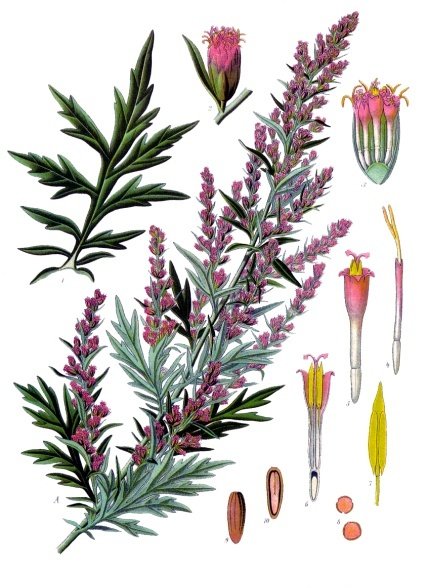
Mugwort ( Artemisia vulgaris ) is a revered herb known for its deep-rooted connection to dream work, spiritual exploration, and enhanced intuition. For centuries, various cultures have used mugwort tea for dreams, rituals, and incense to stimulate lucid dreaming and heightened dream recall. Whether you are looking to enhance your dream experiences or explore the mystical properties of this powerful plant, incorporating mugwort into your nightly routine can unlock new levels of consciousness. The Mystical Properties of Mugwort Mugwort has long been associated with divination, psychic awareness, and dream enhancement. Used by shamans and healers, it is believed to open the third eye, helping dreamers gain deeper insights through their subconscious. Its connection to the moon and feminine energy also makes it a favored herb in dream magic and astral travel practices. The Chemistry Behind Mugwort's Dream-Inducing Effects The dream-enhancing effects of mugwort are attributed to its unique chemical composition, which interacts with the brain's neurotransmitters to promote vivid and memorable dreams. Key bioactive compounds include: Thujone – A mild psychoactive compound that enhances cognitive function and increases dream intensity. Camphor – Stimulates mental clarity and supports heightened sensory awareness in dreams. Cineole (Eucalyptol) – Improves memory retention, aiding dream recall upon waking. Flavonoids and Antioxidants – Reduce stress and promote relaxation, allowing for deeper sleep states conducive to lucid dreaming. Essential Oils – Contribute to the herb's calming and sedative effects, reducing restlessness and promoting sleep stability. Terpenes – Enhance the absorption of active compounds and support brain function for vivid dream experiences. Polyphenols – Offer neuroprotective effects that help improve cognitive function and clarity in dream states. These compounds work together to prime the brain for lucid dreaming, making mugwort tea for dreaming a popular choice for those seeking greater awareness in the dream world. How Mugwort Enhances Lucid Dreaming Lucid dreaming is the ability to become aware within a dream and even influence its course. Mugwort is thought to support this practice by: Increasing Dream Recall: The herb helps activate the brain's ability to remember dreams more vividly. Deepening Sleep Quality: By calming the nervous system, mugwort fosters uninterrupted sleep cycles. Enhancing Dream Awareness: Its psychoactive properties create heightened sensory perception within dreams. Facilitating Astral Projection: Some believe that mugwort assists in out-of-body experiences and astral travel. Encouraging Problem-Solving Dreams: Many users report enhanced creative thinking and problem-solving in dreams. Boosting REM Sleep: The herb may promote more time spent in the REM cycle, the stage of sleep most associated with vivid dreaming. How to Use Mugwort for Lucid Dreaming 1. Mugwort Tea Before Bed Drinking mugwort tea about 30 minutes before sleep allows the herb's active compounds to relax the body and enhance dream intensity. To make a simple mugwort tea: Ingredients: 1 teaspoon dried mugwort 1 cup hot water Honey or lemon (optional) Instructions: Steep mugwort in hot water for 5-10 minutes. Strain and enjoy before bedtime. 2. Mugwort Pillow Sachet Placing dried mugwort under your pillow or inside a small sachet allows the aroma and essential oils to work subtly throughout the night, encouraging vivid dreams. 3. Mugwort Smoke Cleansing Burning dried mugwort as incense before bed can create a sacred space for dream work. Inhaling the aromatic smoke helps activate its psychoactive properties while also clearing negative energy from your sleep environment. 4. Mugwort Bath Ritual Taking a mugwort-infused bath before bed relaxes the body and prepares the mind for dream exploration. Add a handful of dried mugwort to a warm bath and soak for at least 20 minutes. 5. Mugwort Tincture or Oil Applying a mugwort-infused oil or taking a tincture before bed can provide a more concentrated effect, enhancing relaxation and deep sleep. 6. Mugwort and Meditation Using mugwort in conjunction with meditation can enhance dream recall and deepen relaxation. Try meditating for a few minutes before bed with mugwort incense or tea. 7. Mugwort and Lunar Energy Since mugwort is closely tied to lunar cycles, using it during the full moon may amplify its effects on dreaming and intuition. 8. Mugwort-Infused Dream Balm Some people create a dream balm by infusing mugwort in oil and applying it to their temples or wrists before bed to encourage a deeper dream experience. Creating the Perfect Dream-Enhancing Environment To maximize the effects of mugwort, pair it with other dream-supporting practices: Journaling: Keep a dream journal by your bedside to record dreams immediately upon waking. Meditation: Practicing mindfulness before bed sets an intention for lucid dreaming. Crystals: Use amethyst, moonstone, or labradorite under your pillow for additional dream clarity. Sound Therapy: Playing binaural beats or soft dream-inducing frequencies may enhance lucid dreaming. Herbal Combinations: Combine mugwort with other dream-enhancing herbs like blue lotus, valerian root, or passionflower for greater effect. Aromatherapy: Diffusing lavender or sandalwood essential oils can create a peaceful sleep environment conducive to lucid dreaming. Dietary Considerations: Eating foods rich in tryptophan, such as bananas, nuts, and seeds, may enhance melatonin production and improve dream quality. Sleep Hygiene: Reduce screen time and bright lights before bed to encourage melatonin production. Does Mugwort Make You Sleepy? Mugwort for Sleep Explained One of the most common questions we hear is: does mugwort make you sleepy? The honest answer is nuanced — and that is part of what makes this herb so interesting to work with. Mugwort is not a heavy sedative in the way that valerian root or passionflower can be. Rather than pulling you into a deep, dreamless slumber, mugwort for sleep works more subtly: it gently calms the nervous system, eases restlessness, and helps the body settle into a relaxed, receptive state. Think of it less as a sleep aid and more as a dream guide — it creates the inner conditions for the mind to wander freely once sleep arrives. The essential oils and flavonoids in mugwort do carry mild relaxant properties that may help with the transition into sleep, particularly if you tend toward an overactive mind at bedtime. Some people report feeling pleasantly drowsy after a warm cup of mugwort tea, while others notice no sedative effect at all — and instead find that their dreams become noticeably more vivid and memorable. Both experiences are valid and reflect mugwort's complex, layered action in the body. If you are specifically seeking mugwort for sleep support, try combining it with genuinely sedative herbs such as chamomile, lemon balm, or passionflower — as in the Mugwort Dream Tea recipe below. This approach honours mugwort's dream-enhancing gifts while providing a fuller sense of ease and readiness for rest. As with all herbs, individual responses vary, and research into mugwort's sleep-specific mechanisms is still emerging. Start gently, listen to your body, and consult a qualified practitioner if you have any underlying sleep concerns. Mugwort Tea for Dreams: How to Get the Most From Your Cup If you are drawn to mugwort tea for lucid dreaming specifically, a little intentionality goes a long way. Beyond the basic brew, here are a few ways to deepen the ritual and support your dreaming practice: Set an intention before you sip. Hold the warm cup in both hands, close your eyes, and silently invite the dreams you wish to receive. This small act of mindfulness signals to your subconscious that the night ahead is purposeful. Drink slowly and without screens. The transition into dream space begins before you close your eyes. Give the tea — and yourself — the quiet it deserves. Keep your dream journal within arm's reach. Mugwort tea dreams can be vivid and layered; they tend to fade quickly upon waking. Writing even a single sentence immediately upon waking can anchor the experience and improve recall over time. Be consistent. Many people who work with mugwort tea dreaming practices find that the effects deepen over several nights of use rather than appearing dramatically on the first attempt. Patience and repetition are part of the ritual. Pair with lunar awareness. Because mugwort is so deeply connected to the moon, brewing your mugwort tea on nights approaching the full moon may feel particularly potent — both symbolically and experientially. Used with care and curiosity, mugwort tea for dreams is one of the most accessible and time-honoured ways to begin a dreaming practice. Precautions When Using Mugwort Pregnancy Warning: Mugwort should not be used by pregnant individuals, as it can stimulate uterine contractions. Allergies: Those allergic to ragweed, daisies, or related plants should test for sensitivity before use. Dosage Awareness: Excessive consumption may cause dizziness or nausea — start with small amounts. Legal Status: Some areas have restrictions on thujone-containing herbs; check your local regulations. Lucid Dream Intensity: Some individuals may find that mugwort leads to overly intense or unsettling dreams; if this occurs, reduce the dosage or frequency. Conclusion Mugwort is a fascinating herb that has been used for centuries to unlock the mysteries of the dream world. Whether through tea, incense, or pillow sachets, incorporating mugwort into your nightly ritual can enhance your ability to remember and navigate your dreams with greater clarity. The combination of mugwort's chemical compounds and ancient folklore makes it an exciting tool for dream exploration, whether for spiritual insight, creativity, or personal reflection. Pair this practice with Société's Dream Catcher Tea for the ultimate lucid dreaming experience, blending mugwort with other dream-enhancing botanicals for deeper, more vivid sleep journeys. Have you tried mugwort tea for dreaming? We would love to hear what the night brought you. Three Mugwort Recipes to Try at Home Mugwort Dream Tea 1 tablespoon dried mugwort leaves 1 teaspoon dried chamomile flowers 1 teaspoon dried lemon balm 2 cups boiling water Honey or lemon (optional) Combine the mugwort, chamomile, and lemon balm in a teapot or heatproof container. Pour the boiling water over the herb mixture. Cover and let steep for 10-15 minutes. Strain the tea into a cup and add honey or lemon to taste, if desired. Enjoy this calming brew about 30 minutes before bedtime to enhance dream recall. Mugwort Dream Pillow 1/2 cup dried mugwort leaves 1/4 cup dried lavender flowers 1/4 cup dried rose petals Small cotton or muslin bag Combine the mugwort, lavender, and rose petals in a bowl, mixing gently. Fill the small cotton or muslin bag with the herbal blend. Sew or tie the bag securely to prevent any herbs from spilling out. Place the dream pillow under your pillow or near your head while sleeping to promote vivid dreams. Mugwort Infused Oil 1 cup dried mugwort leaves 1 cup carrier oil (such as olive or almond oil) Clean, dry glass jar with a lid Place the dried mugwort leaves in the glass jar. Pour the carrier oil over the mugwort, ensuring all the leaves are submerged. Seal the jar tightly and place it in a sunny windowsill for 4-6 weeks, shaking gently every few days. Strain the infused oil through a fine mesh sieve or cheesecloth into a clean bottle. Use this oil for massage or as a bath addition for relaxation and dream enhancement. Always consult with a qualified practitioner before introducing new herbs into your routine, especially if you are pregnant, nursing, or on medication.