Milk Thistle: The Ancient Herb That Modern Wellness Can't Stop Talking About
Société Team
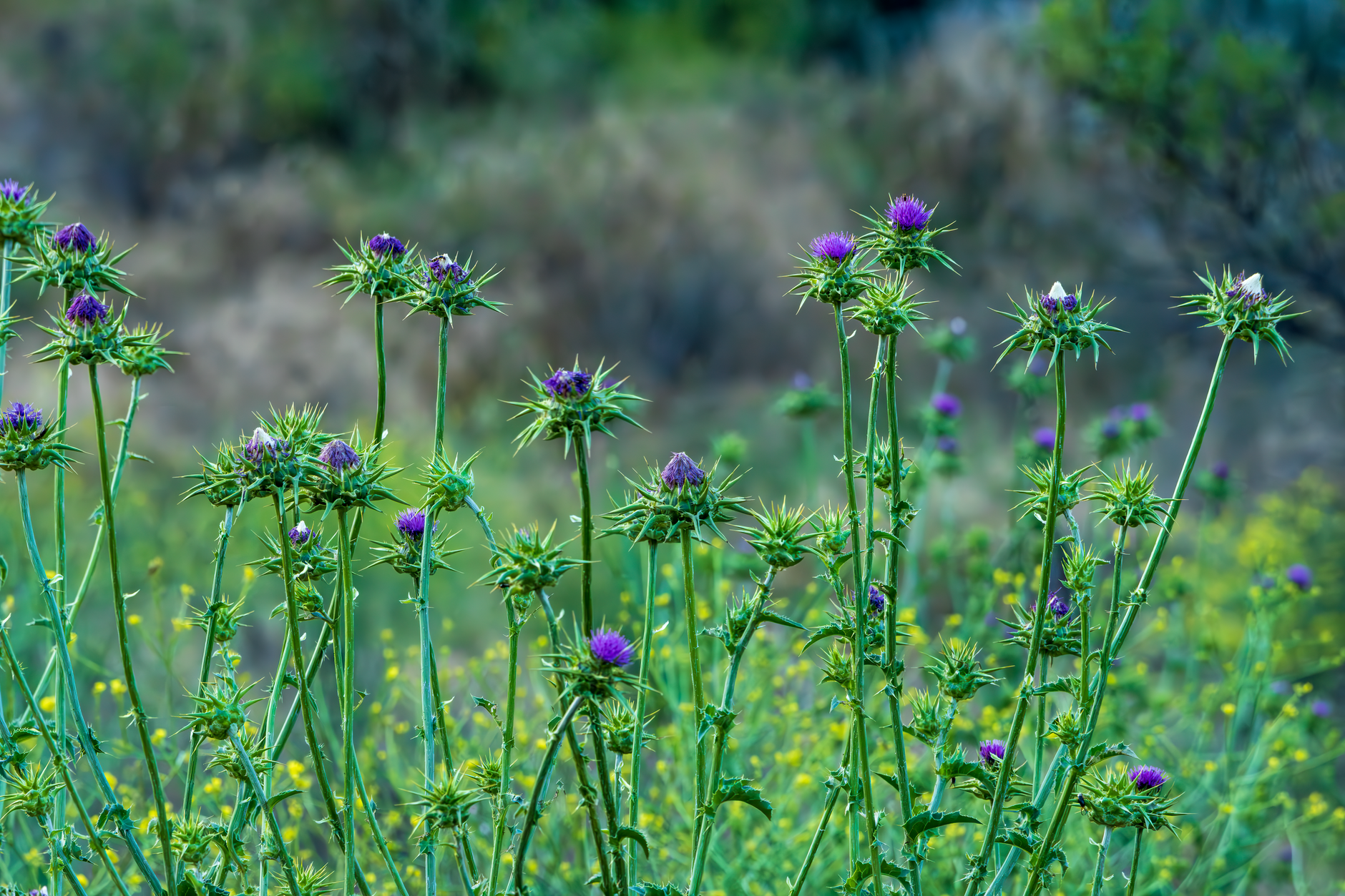
Meet the Milk Thistle Plant If you've ever walked through a wild meadow or along a sun-drenched hillside and spotted a striking purple-flowered plant with glossy, white-veined leaves, there's a good chance you've crossed paths with the milk thistle plant . Known botanically as Silybum marianum , this eye-catching herb belongs to the daisy family and is native to the Mediterranean region. The name "milk thistle" comes from the distinctive milky-white streaks that run through its dark green leaves — a marking that, according to old legend, was caused by drops of the Virgin Mary's milk falling onto the plant. That folkloric connection hints at just how long humans have revered this herb and woven it into their lives. Today, milk thistle grows on nearly every continent, thriving in rocky soils and sunny climates. It's both a wild plant and a cultivated crop, and every part of it — from the seeds to the leaves to the roots — has found a use in traditional herbalism. A Rich History of Traditional Uses Milk thistle has been used medicinally for over 2,000 years . Ancient Greek and Roman physicians documented its use for a wide range of ailments, and the first-century Greek botanist Dioscorides wrote about it in his famous herbal compendium De Materia Medica . In medieval Europe, herbalists prized milk thistle for supporting digestive health and protecting the liver. It was commonly recommended for people who had overindulged in rich food or alcohol — a use that has proven remarkably prescient given what modern science has since revealed. Historically, the seeds were the most prized part of the plant. They were ground, brewed, and prepared in a variety of ways: Seeds were roasted and eaten or ground into a powder Leaves were eaten raw like a salad green or boiled as a vegetable Roots were consumed cooked, similar to parsnips Teas and tinctures were brewed from the seeds and leaves This long history of use is one of the reasons herbalists and wellness practitioners continue to hold milk thistle in such high regard. Time-tested remedies carry a wisdom that deserves respect. Milk Thistle and Liver Health If there is one area where milk thistle truly shines, it is milk thistle liver support . The herb's primary active compound is a flavonoid complex called silymarin , which is found in highest concentration in the seeds. Silymarin is actually a group of related compounds — primarily silybin, silydianin, and silychristin — that work together to deliver the herb's therapeutic effects. Silymarin is widely recognized for its antioxidant, anti-inflammatory, and hepatoprotective (liver-protecting) properties. Researchers have studied it extensively in the context of conditions like fatty liver disease, hepatitis, and cirrhosis. The liver is the body's primary detoxification organ, filtering toxins from the blood, metabolizing medications, and producing bile for digestion. When the liver is under stress — from environmental toxins, alcohol, poor diet, or illness — silymarin may help protect liver cells from damage and even support their regeneration. Many people turn to milk thistle as a daily liver tonic , especially those who: Live or work in environments with chemical exposure Are recovering from illness or medication-heavy treatments Simply want to support their body's natural detoxification processes Are navigating periods of dietary overindulgence It's a gentle, food-based approach to caring for one of your body's hardest-working organs. Milk Thistle Benefits: Beyond the Liver While liver support may be milk thistle's most celebrated claim to fame, the full scope of milk thistle benefits extends well beyond hepatic health. This is an herb with impressive reach. Silymarin's powerful antioxidant activity means it helps neutralize free radicals — the unstable molecules that contribute to cellular aging and chronic disease. Reducing oxidative stress is a cornerstone of almost every longevity and wellness practice, making milk thistle a natural fit. Research has also explored milk thistle's potential role in supporting blood sugar regulation . Some studies suggest silymarin may improve insulin sensitivity and help manage blood glucose levels, which is particularly relevant for people navigating metabolic health challenges. Inflammatory pathways are another area of interest. Chronic, low-grade inflammation underlies so many modern health conditions — from joint discomfort to cardiovascular concerns — and silymarin has demonstrated measurable anti-inflammatory effects in multiple research models. For skin health enthusiasts, milk thistle is gaining traction as an herb that may support a clearer, more radiant complexion — not just through topical applications but by supporting the liver, which plays a key role in skin health from the inside out. Milk Thistle Benefits for Men While milk thistle is beneficial for all genders, there are some particularly compelling reasons why milk thistle benefits for men deserve a dedicated conversation. Testosterone metabolism is one area where men may notice a meaningful connection. Some early research suggests that silymarin may help modulate estrogen metabolism, which could be relevant for men who want to maintain healthy hormonal balance as they age. Men also statistically carry higher rates of liver-related health issues, including fatty liver disease — partly due to patterns of alcohol consumption and diet. This makes a liver-supportive herb like milk thistle especially pertinent for men's long-term wellness planning. Athletes and active men may also find milk thistle valuable as part of a recovery regimen, given its antioxidant and anti-inflammatory properties. Supporting the body's ability to repair and recover from physical exertion is something every active person can appreciate. Milk Thistle with Choline: A Powerful Pairing One combination that has gained real traction in the wellness world is milk thistle with choline . Choline is an essential nutrient — often grouped with B vitamins — that plays a critical role in liver function, fat metabolism, and the transport of fats away from the liver. When silymarin and choline are combined, the synergy can be particularly supportive for those managing fatty liver concerns. Choline helps prevent the accumulation of fat in liver cells, while silymarin helps protect those cells from oxidative damage and inflammation. Many high-quality milk thistle supplements on the market now include choline as a companion ingredient for exactly this reason. If liver health is a primary goal, looking for a product that pairs these two nutrients is a smart approach. Beyond liver health, choline also supports brain health and cellular membrane integrity — so this combination offers broad wellness benefits that ripple outward from the liver into whole-body vitality. How to Prepare Milk Thistle Tea Milk thistle tea is one of the most accessible and pleasurable ways to incorporate this herb into your daily routine. The process is simple, and the result is a warm, slightly earthy, and mildly nutty beverage that makes a lovely ritual in itself. The seeds are the most potent part of the plant for tea-making. Because silymarin is not highly water-soluble, brewing a tea does extract some beneficial compounds, though not as concentrated a dose as a standardized extract or tincture. To make milk thistle seed tea: Lightly crush whole seeds using a mortar and pestle to open the seed coat Steep 1–2 teaspoons of crushed seeds in 8 ounces of hot water (not quite boiling) Let steep for 10–20 minutes, covered, to retain volatile compounds Strain and enjoy, optionally with a touch of honey or lemon Milk thistle tea benefits include gentle liver support, antioxidant activity, and the ritual comfort of a warming herbal brew. It's a beautiful starting point for those new to the herb, and a grounding daily practice for seasoned herbal tea lovers. Leaves can also be used for a milder tea, though the seed-based brew tends to be more therapeutically potent. Milk Thistle Supplements: What to Look For For those seeking a more concentrated and consistent intake of silymarin, a milk thistle supplement is the most practical option. Capsules, tablets, liquid extracts, and tinctures are all widely available. When choosing a supplement, look for: Standardized silymarin content — ideally 70–80% silymarin extract Third-party testing for purity and potency Clean ingredient lists with minimal fillers The presence of complementary nutrients like choline, if liver health is your primary goal Quality matters enormously in the herbal supplement space. A poorly processed product may deliver far less silymarin than its label suggests, which is why sourcing from reputable, transparent brands is so important. Milk Thistle Side Effects and Considerations Milk thistle has an excellent safety profile and is well-tolerated by most people. However, it's worth being aware of a few considerations before diving in. Milk thistle side effects are generally mild and uncommon. Some people report minor digestive discomfort — such as bloating or loose stools — particularly when starting with high doses. Starting low and building gradually tends to minimize this. Because milk thistle belongs to the Asteraceae (daisy) family, people with allergies to ragweed, daisies, chrysanthemums, or marigolds may occasionally experience cross-reactive sensitivities. Milk thistle may also interact with certain medications, particularly those processed by the liver's cytochrome P450 enzyme system. If you're on prescription medications, it's always wise to speak with your healthcare provider before adding any new herbal supplement to your routine. As with all herbs, milk thistle is best used as part of a holistic wellness approach — not as a replacement for medical care when it's genuinely needed. A Note on Milk Thistle for Dogs Interestingly, milk thistle for dogs has become a growing topic among pet owners and veterinarians who embrace integrative approaches to animal health. Dogs can suffer from liver conditions much as humans do, and some veterinarians recommend silymarin-based supplements to support liver function in dogs dealing with toxin exposure, age-related liver decline, or certain health conditions. If you're considering milk thistle for your canine companion, always work with a veterinarian who can guide you on appropriate dosing and ensure it complements your dog's overall health plan. It's a lovely reminder that nature's wisdom often extends beyond human wellness. Experience Milk Thistle with Societe If milk thistle has piqued your curiosity and you're ready to welcome this remarkable herb into your wellness practice, we'd love to support that journey. Explore Societe's thoughtfully sourced milk thistle offering at societeapothecary.com/product/milk-thistle/ and find a quality product that meets you where you are. At Societe, we believe that good herbal practice begins with good ingredients — and we'd be honored to be part of yours.