Meadowsweet: The Ancient Herb with Modern Wellness Magic
Société Team
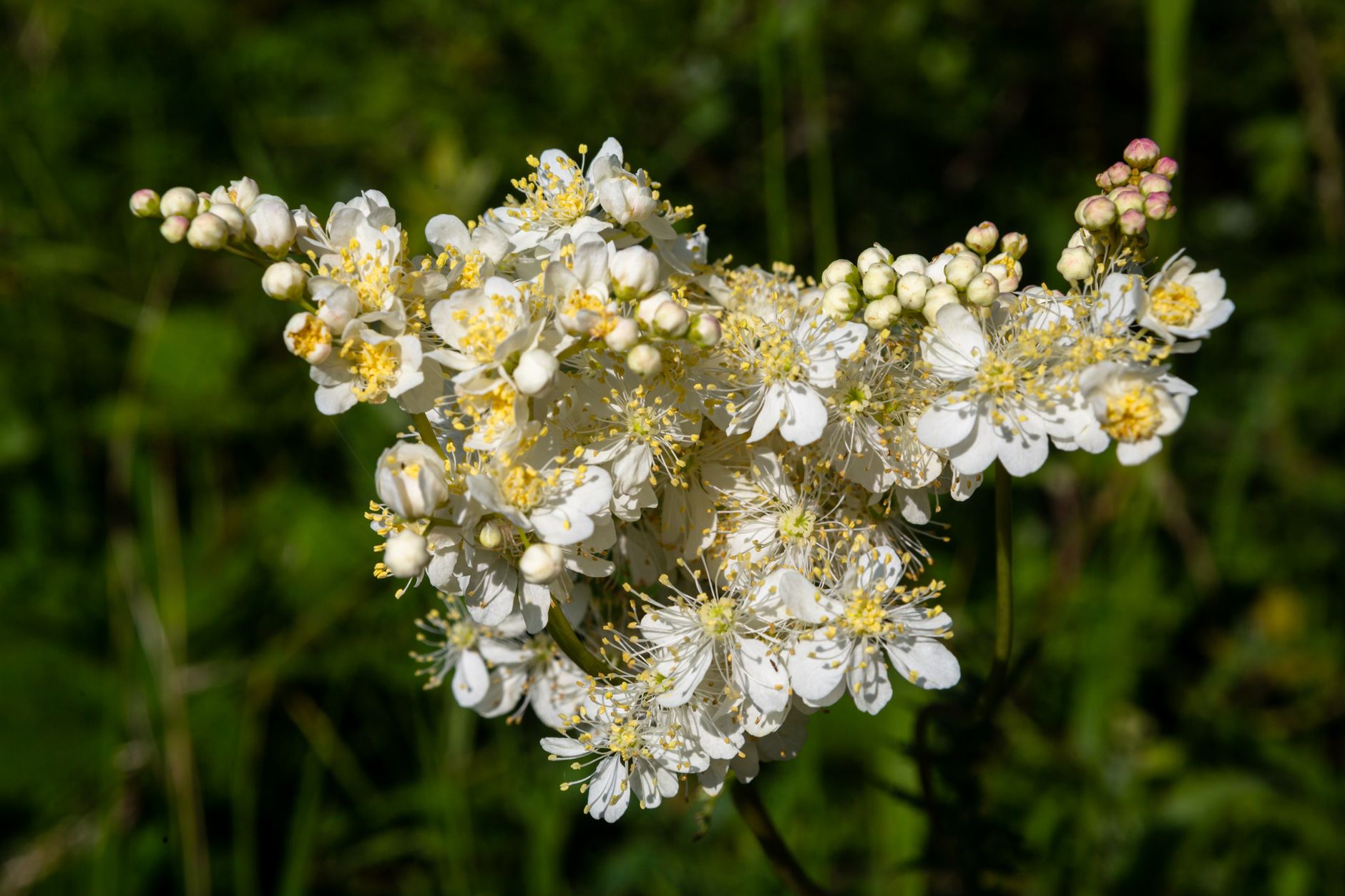
What Is the Meadowsweet Plant? If you've ever wandered through a damp meadow in midsummer and caught a sweet, almond-like fragrance drifting on the breeze, there's a good chance you were near meadowsweet. Known botanically as Filipendula ulmaria , the meadowsweet plant is a perennial herb native to Europe and western Asia, though it has naturalized across many parts of North America. With its feathery clusters of creamy white flowers and deeply veined leaves, meadowsweet is as beautiful as it is useful. It thrives in moist, fertile environments — riverbanks, wet meadows, and fens — and has been a staple of herbal medicine for centuries. Interestingly, meadowsweet is sometimes referred to as meadowsweet spirea, owing to its former classification in the Spiraea genus. That botanical lineage is more than just trivia — it's actually central to one of the herb's most fascinating stories. A Rich History: From Sacred Herb to Aspirin's Ancestor Meadowsweet holds a remarkable place in both herbal tradition and the history of modern medicine. The Druids considered it one of their three most sacred herbs, alongside vervain and water mint. It was strewn across floors in medieval homes and used to scent mead and wine, lending the drink — and likely the herb's name — a hint of floral sweetness. In the 19th century, scientists discovered that meadowsweet flower buds and leaves contained salicylates, naturally occurring compounds related to salicylic acid. In 1897, a chemist at Bayer synthesized acetylsalicylic acid from a meadowsweet derivative — and named the resulting product aspirin , after the herb's old genus name Spiraea . This isn't just a fun fact. It speaks to the profound potency of the meadowsweet herb and the deep well of wisdom embedded in traditional plant medicine. Long before pharmaceutical labs, healers were using meadowsweet to ease pain, calm inflammation, and soothe the stomach — applications that modern science has since validated. Meadowsweet Benefits for Your Body So what makes meadowsweet so special from a wellness perspective? The meadowsweet herb benefits are wide-ranging, touching everything from digestive comfort to joint support. Let's explore the key areas where this botanical truly shines. Digestive Support One of meadowsweet's most celebrated and well-documented uses is its ability to soothe the digestive tract. Unlike aspirin, which can irritate the stomach lining, meadowsweet has a gentle, protective effect on the gut. The herb contains mucilaginous compounds that coat and calm the digestive lining. This makes it a go-to remedy for heartburn, excess stomach acid, gastritis, and even peptic ulcers. Natural Pain and Inflammation Relief Thanks to its salicylate content, meadowsweet offers mild natural pain-relieving and anti-inflammatory properties. Herbalists have long used it for headaches, muscular aches, and joint discomfort. It's considered a gentler alternative for those who are sensitive to conventional pain medications. Many people find that incorporating meadowsweet into their routine helps manage everyday aches in a more holistic way. Fever Support Meadowsweet is a traditional diaphoretic, meaning it encourages gentle perspiration — a natural mechanism the body uses to reduce fever. It has historically been used during colds and flu to help the body work through febrile states more comfortably. Paired with other supportive herbs, it forms a lovely part of a cooling, soothing wellness blend during illness. Urinary Tract Wellness The herb also has mild diuretic properties and has been used traditionally to support urinary tract health. Its antimicrobial compounds may help inhibit certain bacteria, making it a complementary herb during periods of urinary discomfort. Here's a quick summary of the core meadowsweet benefits that herbalists and wellness practitioners reach for it most often: Calming digestive upset, heartburn, and gastric irritation Reducing mild inflammation and easing everyday aches Supporting the body during colds and feverish states Promoting gentle urinary tract cleansing Acting as a mild antimicrobial and antioxidant agent The Meadowsweet Flower: Beauty with Purpose It's worth pausing to appreciate the meadowsweet flower itself — not just for its delicate beauty, but for its therapeutic potency. The fluffy, frothy clusters of tiny white blossoms are the most aromatic part of the plant, heavy with a warm, honey-like scent reminiscent of vanilla and almonds. Both the flowers and the leaves are used medicinally, though the flowers tend to be prized for their fragrance and are often preferred in teas and infusions. The roots have historically been used as well, particularly in folk medicine, though they are more potent and used with greater care. In culinary traditions, meadowsweet flowers have been used to flavor wines, cordials, jams, and desserts. Their sweet, floral profile makes them a natural addition to mead (hence the name), and they pair beautifully with summer fruits like strawberries and elderflower in seasonal drinks. How to Prepare and Enjoy Meadowsweet Tea One of the most accessible and beloved ways to experience this herb is through meadowsweet tea . Gentle, aromatic, and genuinely pleasant to drink, meadowsweet tea is suitable for daily wellness rituals and moments of intentional self-care. Here's how to prepare a simple, effective meadowsweet infusion: Use 1–2 teaspoons of dried meadowsweet herb (flowers and/or leaves) per cup of water Bring water to just below boiling — around 90–95°C (194–203°F) Pour over the herb and steep for 10–15 minutes, covered to retain volatile aromatic compounds Strain and sip slowly, optionally sweetened with a touch of raw honey The meadowsweet tea benefits are best accessed through consistent, mindful use. Many people enjoy a cup before or after meals to support digestion, or in the evening as part of a calming wind-down ritual. You can also blend meadowsweet with other complementary herbs. It pairs beautifully with chamomile for digestive calm, lemon balm for nervous system support, or ginger for warming anti-inflammatory blends. Its naturally sweet flavor means it rarely needs additional sweeteners, making it an easy addition to an herbal repertoire. Meadowsweet in Modern Wellness Practices The revival of interest in plant-based wellness has brought meadowsweet back into the spotlight — and for good reason. As more people seek holistic, whole-body approaches to health, herbs like meadowsweet offer a bridge between ancestral wisdom and contemporary self-care. In aromatherapy and botanical perfumery, the meadowsweet flower is valued for its rich, honeyed scent. In skincare, its astringent and anti-inflammatory properties make it a thoughtful addition to facial toners and soothing creams, particularly for oily or sensitive skin. From a spiritual and energetic wellness perspective, meadowsweet has long been associated with love, joy, and peaceful energy. It was traditionally used in wedding ceremonies and love sachets across European folk traditions. Burning dried meadowsweet or including it in ritual baths is still practiced by those who work with herbs in a ceremonial context. For those exploring adaptogenic or nervine herbalism, meadowsweet pairs well in formulas designed to ease stress-related digestive tension — addressing the gut-brain connection in a beautifully integrated way. Important Considerations Before Using Meadowsweet Meadowsweet is considered safe for most adults when used in moderate amounts, but there are a few important things to keep in mind before incorporating it into your wellness practice. Because of its natural salicylate content, meadowsweet is not recommended for those with a known sensitivity or allergy to aspirin or salicylates . It should also be avoided by children with fevers due to the risk of Reye's syndrome, mirroring the caution around aspirin use in pediatric cases. A few more considerations to keep in mind: Pregnant or breastfeeding individuals should consult a qualified herbalist or healthcare provider before use Those on blood-thinning medications should exercise caution due to potential interactions As with any herbal remedy, quality sourcing matters enormously — look for organically grown, properly dried herb Meadowsweet is best approached as part of a thoughtful, informed wellness practice — ideally with guidance from a knowledgeable herbalist if you're new to plant medicine. Discovering Meadowsweet in Brooklyn and Beyond If you're searching for meadowsweet in Brooklyn or exploring herbal wellness in your community, you're part of a growing movement of people turning back to botanicals for everyday health support. Local apothecaries, herbal shops, and wellness boutiques have become wonderful gathering spaces for those curious about plant medicine. The culture of urban herbalism is blooming — and meadowsweet, with its long history and gentle, accessible benefits, is a perfect entry point for anyone just beginning their herbal journey. Whether you're a seasoned herbalist or someone who simply wants to explore a more plant-centered approach to wellness, meadowsweet welcomes you with open, fragrant arms. Its versatility — as a tea, a tincture, a culinary ingredient, or a ceremonial herb — makes it one of those remarkable plants that can meet you wherever you are in your wellness path. Bring Meadowsweet Into Your World Meadowsweet is one of those quietly extraordinary herbs that rewards curiosity and patience. The more you learn about it, the more you appreciate how beautifully it bridges history, science, and sensory pleasure. If you're ready to experience the gentle magic of this beloved botanical, we warmly invite you to explore Societe's carefully sourced meadowsweet at societeapothecary.com/product/meadowsweet/ . At Societe, every herb is chosen with care and intention — because your wellness practice deserves nothing less. Come explore, and let meadowsweet find its place in your daily ritual. Three Meadowsweet Recipes to Try at Home Meadowsweet Herbal Tea 1 tablespoon dried meadowsweet flowers 1 cup boiling water Honey or lemon, to taste Place the dried meadowsweet flowers in a tea infuser or a small teapot. Pour the boiling water over the flowers and let steep for 10 minutes. Strain the tea into a cup and add honey or lemon if desired. Sip slowly and enjoy the calming effects of this gentle herbal tea. Meadowsweet Infused Oil 1 cup dried meadowsweet leaves and flowers 1 cup carrier oil (e.g., olive or almond oil) Glass jar with a tight-fitting lid Place the dried meadowsweet in the glass jar. Pour the carrier oil over the herbs, ensuring they are fully submerged. Seal the jar tightly and place it in a sunny spot for 2-3 weeks, shaking gently every few days. Strain the oil through a fine mesh or cheesecloth into a clean bottle. Use this soothing oil for gentle massages or as a bath oil to relieve aches and pains. Meadowsweet and Mint Digestive Elixir 1/2 cup dried meadowsweet 1/4 cup dried mint leaves 1 cup apple cider vinegar 1/4 cup honey Combine the dried meadowsweet and mint leaves in a glass jar. Pour the apple cider vinegar over the herbs, ensuring they are well covered. Seal the jar tightly and store in a cool, dark place for 2 weeks, shaking daily. Strain the mixture, then stir in the honey until fully dissolved. Take 1 tablespoon before meals to support healthy digestion. Always consult a qualified healthcare practitioner before introducing new herbal remedies into your routine.