Materia Medica:Maitake Mushroom
Société Apothecary
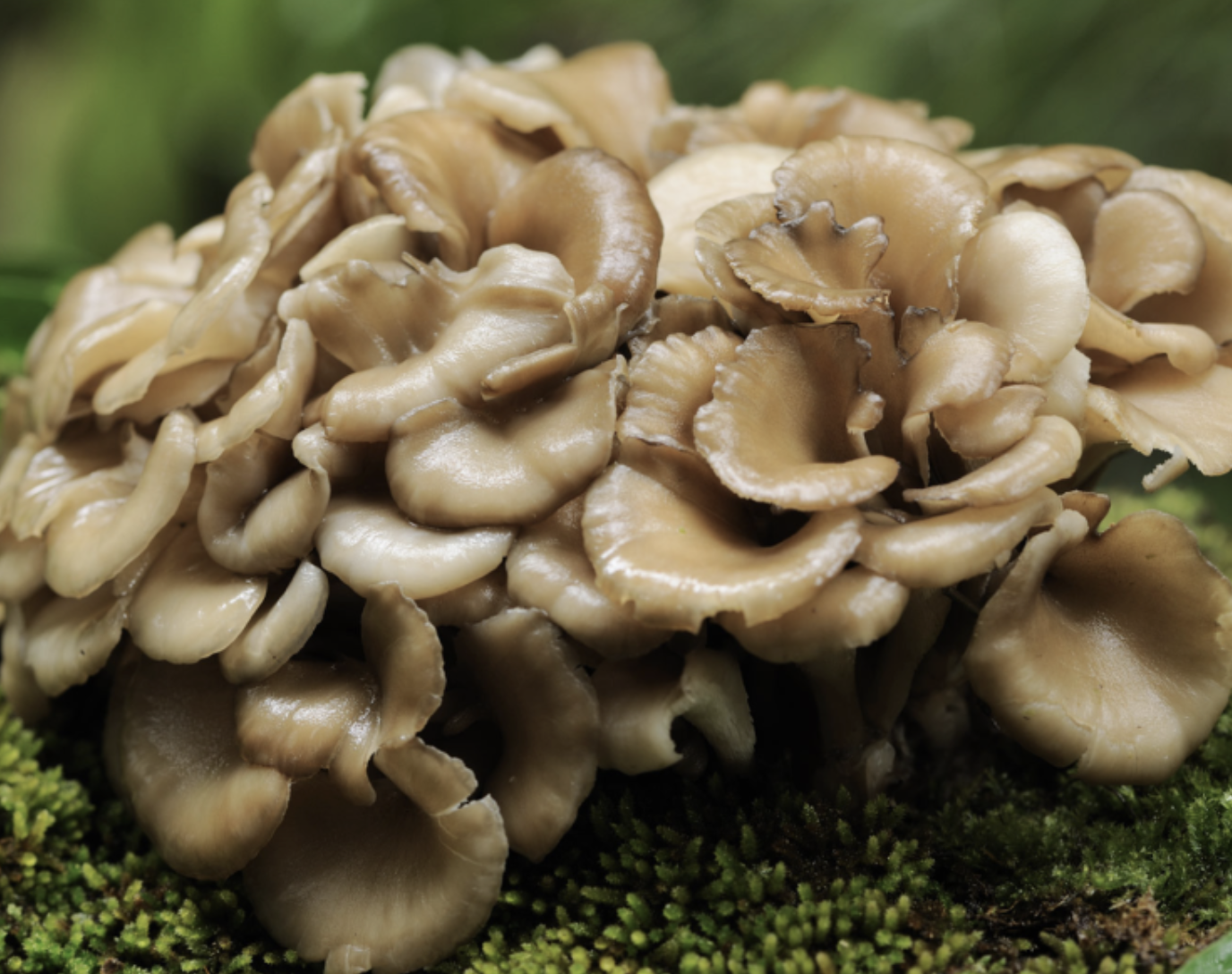
]( https://www.societeapothecary.com/product/shroom-tea/358 ) Maitake Mushroom: Materia Medica Known as the “Dancing Mushroom” in Japan, Maitake has been celebrated for centuries as a symbol of vitality, longevity, and resilience. This robust forest fungus grows in ruffled, layered clusters at the base of hardwood trees, exuding both culinary delight and powerful immune support. “Maitake awakens the body’s defenses and nourishes vitality from the roots upward.” MATERIA MEDICA Latin Binomial: Grifola frondosa Common Name(s): Maitake, Hen of the Woods, Dancing Mushroom TCM Name: Hui Shu Hua (灰树花) Ayurvedic Name: Not traditionally used; modern application only Family: Polyporaceae Physical Description of the Plant: A large, perennial, shelf-like mushroom with overlapping, gray-brown, feathery caps that resemble a hen’s ruffled feathers. Grows at the base of hardwoods, especially oaks. Habitat: Native to northeastern Japan and North America. Found in temperate deciduous forests, particularly in late summer and autumn. Harvest and Collection: Harvest when fresh and firm, usually in late summer to fall. Can be dried or cooked fresh; cultivated varieties are widely available. Parts of the Plant Used: Fruiting body (whole mushroom), occasionally mycelium in supplements Qualities: Earthy, savory, umami Energetics: Neutral to slightly warming; tonifying and nourishing Chemical Constituents: Beta-glucans (D-fraction, MD-fraction) Polysaccharides and proteoglycans Ergosterol (provitamin D2) Sterols Lectins Antioxidants Actions: Immunomodulating Antitumor Antiviral Antidiabetic Antioxidant Hepatoprotective Blood pressure modulating Cholesterol-lowering Indications: Immune support for chronic or recurrent infections Adjunctive therapy in cancer protocols Blood sugar regulation (Type 2 diabetes support) Metabolic syndrome Hypertension and high cholesterol Fatigue and immune depletion Liver protection and detoxification Diagnostic Picture: Maitake is especially suited for those who are immunocompromised, chronically fatigued, or metabolically imbalanced. It supports immune tone, modulates inflammatory response, and nourishes core energy. Contraindications/Cautions: May lower blood sugar—monitor closely if diabetic Use caution with immunosuppressive therapy or post-transplant patients Generally considered safe when consumed as food or supplement Drug Interactions: May potentiate effects of insulin or oral hypoglycemics Use caution with anticoagulant medications due to potential mild platelet inhibition Dosage: Powdered extract: 1–3 grams daily (standardized to beta-glucan content) Capsules: 500–1000 mg 1–2x daily Tincture: 2–4 mL up to 3x daily Food use: ½–1 cup fresh cooked mushroom several times per week Combinations: With Reishi and Turkey Tail for full-spectrum immune support With Astragalus or Eleuthero for energy and endurance With Schisandra or Milk Thistle for liver detox and metabolic balance With Cordyceps for blood sugar and adrenal support Folklore: In Japan, Maitake was once so rare and prized that foragers danced for joy upon finding it—hence the name “Dancing Mushroom.” It has been a staple in traditional Japanese and Chinese diets and tonics, where it is viewed as a longevity and health-promoting food. Traditionally used to support the spleen and stomach meridians and to build Qi. Applications: Maitake is both food and medicine. It can be sautéed, simmered into broths, or taken as capsules or extracts. Best used regularly for immune modulation, metabolic support, and restoration of deep vitality. Especially helpful during seasonal transitions, after illness, or alongside treatments for chronic disease. Recipes: Immune Broth Base Maitake mushroom (fresh or dried) Shiitake Astragalus root Garlic, onion, seaweed Simmer for several hours. Use as a base for soups or sip as a tonic. Maitake Stir Fry Sauté fresh Maitake in olive oil with garlic and greens. Add tamari, sesame, and lemon for a nourishing, warming dish. Tonic Tea Blend 1 part dried Maitake 1 part Reishi 1 part Cinnamon stick Decoct for 30–45 minutes; sip warm. Scientific Research: Maitake D-fraction has been extensively studied for its immune-enhancing and antitumor effects. Animal and clinical trials show promising results for boosting natural killer cell activity and supporting blood sugar regulation. It is one of the best-documented mushrooms in integrative cancer protocols. References: Hobbs, C. “Medicinal Mushrooms” Stamets, P. “Mycelium Running” Memorial Sloan Kettering Cancer Center Integrative Oncology Database https://www.ncbi.nlm.nih.gov https://www.mushroomcouncil.org Three Maitake Mushroom Recipes to Try at Home Maitake Mushroom Tea 1 cup dried maitake mushrooms 4 cups water Honey or lemon (optional, to taste) Gently rinse the dried maitake mushrooms to remove any debris. In a saucepan, bring the water to a boil. Add the maitake mushrooms to the boiling water, then reduce the heat and let it simmer for 30 minutes. Strain the tea using a fine mesh strainer or cheesecloth. Sweeten with honey or add a splash of lemon if desired, and enjoy warm. Maitake Mushroom Stir-Fry 1 cup fresh maitake mushrooms, roughly chopped 2 tablespoons olive oil 1 clove garlic, minced 1 tablespoon soy sauce 1 teaspoon sesame oil 1 cup mixed vegetables (e.g., bell peppers, broccoli) Salt and pepper to taste Heat olive oil in a large skillet over medium heat. Add minced garlic and sauté until fragrant. Add the maitake mushrooms and mixed vegetables, stirring occasionally for about 5-7 minutes. Drizzle with soy sauce and sesame oil, stirring to coat evenly. Season with salt and pepper to taste, then serve immediately. Maitake Mushroom Tincture 1 cup dried maitake mushrooms 2 cups vodka or brandy A clean glass jar with a tight-fitting lid Place the dried maitake mushrooms in the glass jar. Pour the vodka or brandy over the mushrooms, ensuring they are completely submerged. Seal the jar tightly and store it in a cool, dark place for 6-8 weeks, shaking it gently every few days. After the infusion period, strain the liquid through a fine mesh strainer or cheesecloth into a clean jar. Store the finished tincture in a dark glass bottle and use as advised by a practitioner. Always consult a qualified healthcare provider before incorporating new herbal remedies into your routine.