Materia Medica: White Oak Bark
Société Apothecary
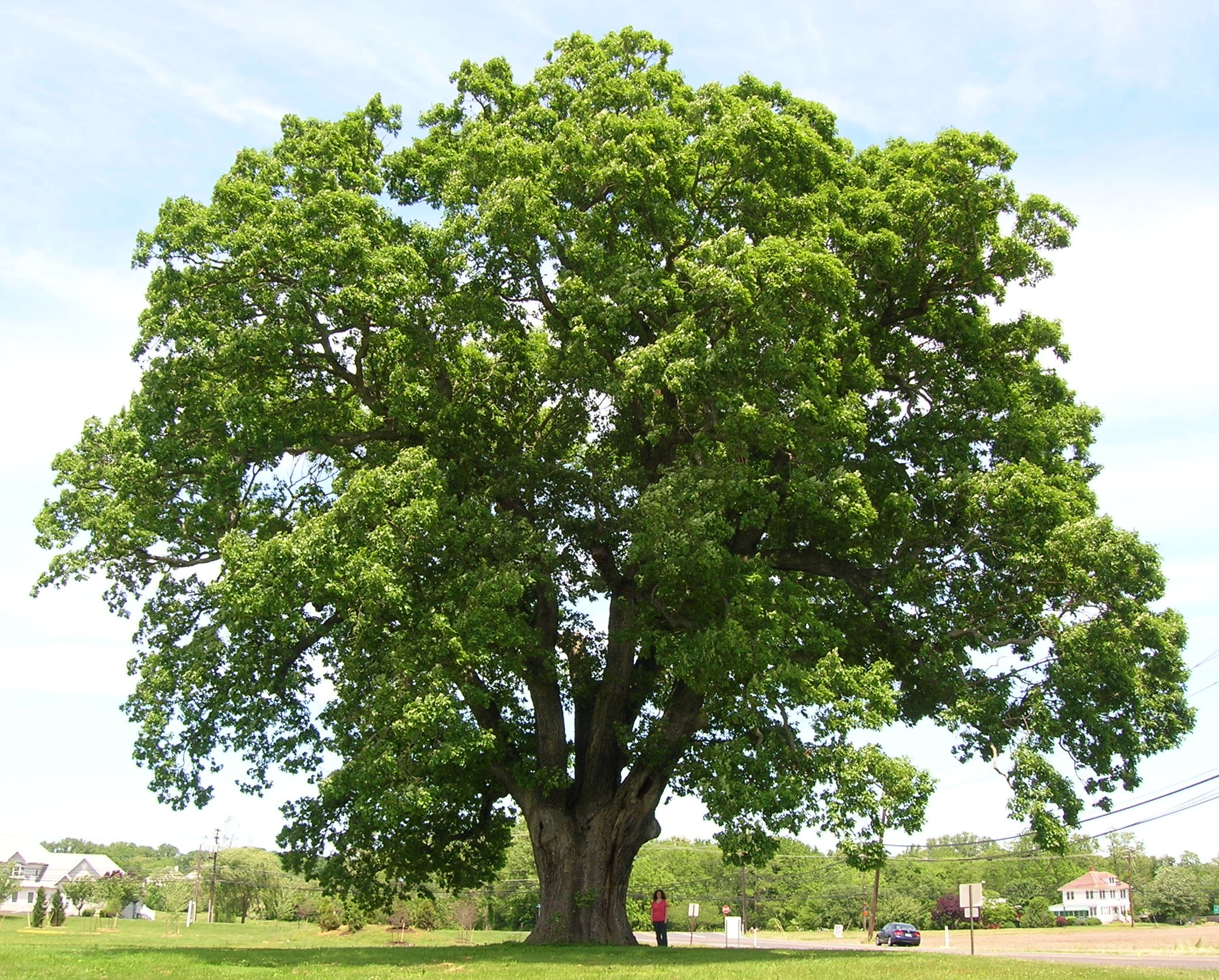
White Oak Bark: Materia Medica A sentinel of strength in North American forests, the White Oak is more than just a mighty tree—it’s a time-honored medicine chest. With bark rich in tannins and tradition, it has long been used to tighten tissue, tone the gut, and hold the line against infection, bleeding, and decay. “The oak stands where others fall—firm, rooted, and healing from the bark in.” Latin Binomial : Quercus alba Common Name(s) : White Oak, Eastern White Oak TCM Name : Not commonly used Ayurvedic Name : Not traditionally included in Ayurveda Family : Fagaceae (Beech family) The White Oak is a large, deciduous tree reaching 80–100 feet or more, with pale, scaly bark and rounded-lobed leaves that shift from deep green in summer to russet-red in autumn. It produces acorns, its signature fruit, which mature over a two-year cycle. The wood is strong and durable, prized in construction and cooperage—but it’s the inner bark that offers potent astringent medicine. Habitat : Native to eastern and central North America, White Oak thrives in well-drained upland soils, mixed forests, and old-growth woodlands. It’s a keystone species in many temperate forest ecosystems. Harvest and Collection : The inner bark is collected in spring or fall from young branches or freshly felled limbs. Sustainably harvesting from pruned branches (rather than live trunks) is critical for tree health and forest stewardship. Parts Used : Inner bark Qualities : Strongly astringent, drying, tonifying Energetics : Cool, dry, contractive Chemical Constituents : Tannins (including quercitannic acid), flavonoids, gallic acid, ellagic acid, pectin, minerals (calcium, potassium), and volatile oils Actions : Astringent, antiseptic, anti-inflammatory, hemostatic, tonifying, anti-diarrheal, tissue-protective Indications : Diarrhea (especially watery or chronic), leaky gut, hemorrhoids, bleeding gums, sore throats, canker sores, varicose veins, skin weeping or irritation, eczema, excessive sweating (especially feet), wound healing, vaginal irritation or discharge, and minor bleeding Diagnostic Picture : White Oak is perfect when the body is too loose—fluids leaking, tissues boggy or sagging, and inflammation running unchecked. Think: chronic diarrhea, bleeding gums, or oozing skin. It’s a true “tightener” when boundaries (literal and metaphorical) need restoring. Contraindications / Cautions : Best avoided internally in large doses or over long periods due to high tannin content, which may impair nutrient absorption. Do not use on deep or infected wounds without professional guidance. Not for use in cases of constipation or dry constitutions unless properly balanced. Drug Interactions : May reduce absorption of medications or nutrients when taken internally due to tannins. Separate doses by several hours. Dosage : Decoction : 1 tsp bark per cup of water; simmer 20+ minutes and strain. Take ¼–½ cup 2–3x/day as needed Tincture : (1:5 in 40–60% alcohol): 1–2 mL up to 3x/day Topical Wash : Strong decoction used externally for skin, mouth, or vaginal irritation Poultice or Compress : Cooled decoction applied to wounds or hemorrhoids Foot Soak : Simmered bark added to basin for sweaty, swollen, or sore feet Combinations : With Yarrow or Witch Hazel for bleeding and hemorrhoids With Plantain or Calendula for skin irritation or wound healing With Chamomile or Meadowsweet for gut inflammation With Cramp Bark for loose, irritated bowels with spasms Folklore : The oak tree was sacred to many ancient cultures—symbolizing strength, protection, and wisdom. Native American tribes used the bark as a powerful medicine for diarrhea, sore throats, and wounds. The bark was often brewed into washes for cleansing and healing, or ground into poultices for drawing out infection and firming tissues. “White Oak people” are seen as rooted, grounded, strong—but occasionally too rigid when flexibility is needed. Applications : Use internally as a short-term remedy for acute diarrhea or bleeding gums, or externally as a wash for eczema, wounds, or vaginal imbalances. A strong White Oak foot soak can be drying and revitalizing for athletes, long days, or excess sweat. It’s especially helpful where tissues feel lax, leaky, or inflamed. Scientific Research : The tannins in White Oak bark have been well documented for their astringent and antimicrobial actions. Studies show the bark’s extracts have anti-inflammatory, antioxidant, and antibacterial effects. It’s commonly used in herbal mouthwashes and anti-diarrheal formulas, and has been studied for wound care in traditional medicine contexts. References : Hoffmann, D. Medical Herbalism Wood, M. The Earthwise Herbal Tilgner, S. Herbal Medicine: From the Heart of the Earth https://www.ncbi.nlm.nih.gov https://www.herbalgram.org https://www.mountainroseherbs.com Check out our white oak bark products here. Three White Oak Bark Recipes to Try at Home White Oak Bark Tea 1 tablespoon dried white oak bark 2 cups water Honey or lemon (optional) Bring the water to a boil in a small pot. Add the dried white oak bark to the boiling water. Reduce heat and let the mixture simmer for 15-20 minutes. Strain the tea into a mug, discarding the bark. Add honey or lemon to taste, if desired. Enjoy warm. White Oak Bark Skin Soother 1 tablespoon white oak bark powder 1 cup distilled water 5 drops lavender essential oil (optional) Combine the white oak bark powder and distilled water in a small saucepan. Bring to a gentle boil, then simmer for 10 minutes, stirring occasionally. Remove from heat and let cool. Strain the mixture through a fine cloth into a clean container. Add lavender essential oil if using, and mix well. Apply gently to the skin with a cotton pad or clean cloth as needed. White Oak Bark Gargle 1 tablespoon white oak bark 1 cup water 1 teaspoon salt Place the white oak bark and water in a small saucepan. Bring to a boil, then reduce heat and let simmer for 15 minutes. Remove from heat and let cool until warm. Strain the liquid and add salt, stirring to dissolve. Use the solution to gargle for 30 seconds, then spit out. Repeat as necessary. Always consult a qualified healthcare practitioner before starting any new herbal regimen, especially if you have underlying health conditions.