Materia Medica: Pine Needle
Société Apothecary
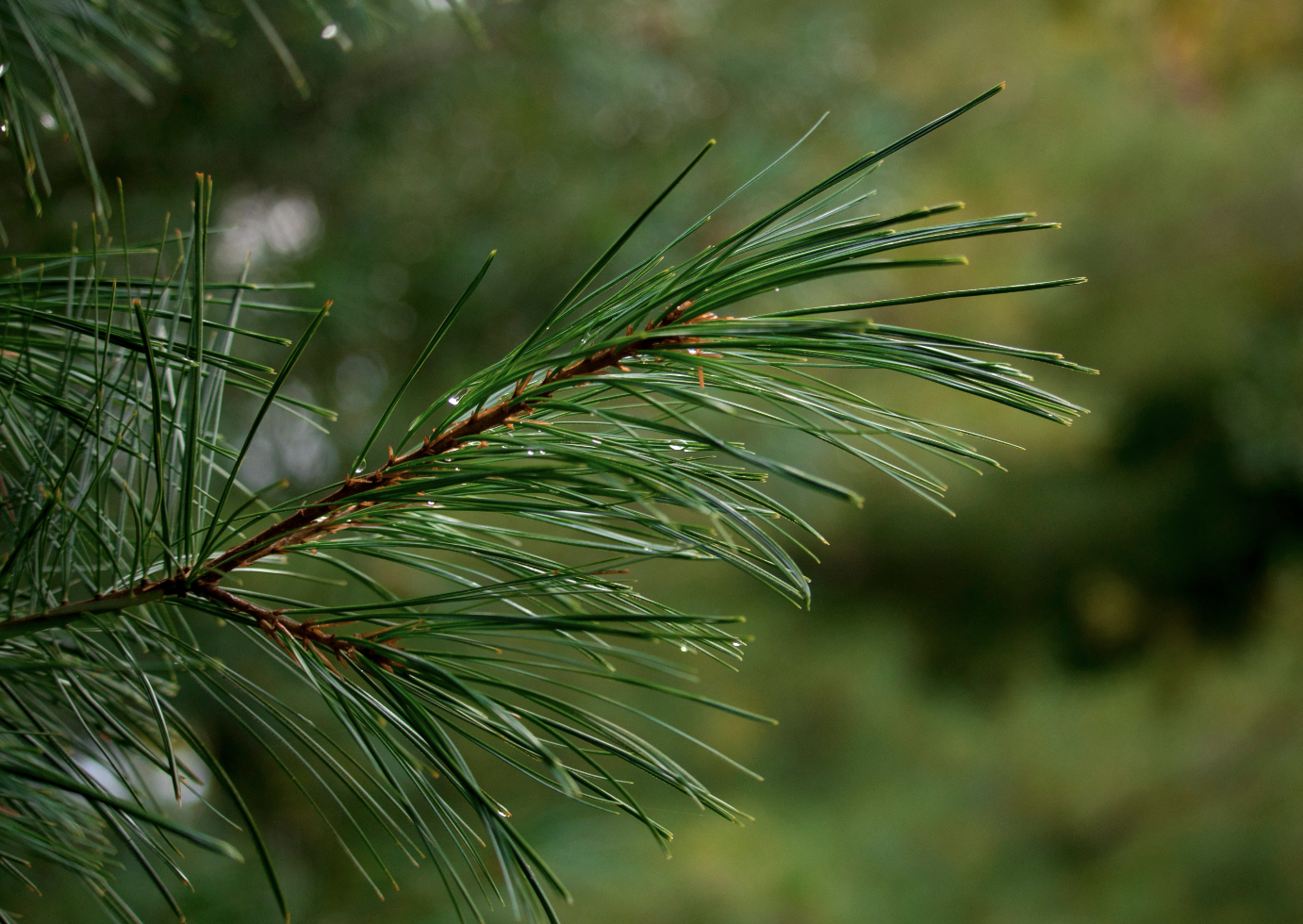
]( https://www.societeapothecary.com/s/search?q=pine%20needle ) Pine Needle: Materia Medica The resilient pine herb, evergreen and enduring, has offered medicine, food, and shelter to cultures around the world. Its sharp-scented needles are a source of vitality, respiratory support, and immune resilience—particularly revered in Indigenous North American and European folk medicine. The medicinal uses of pine needles are as ancient as the forests themselves, and pine reminds us to breathe deeply and stand tall through all seasons. "Pine clears the breath and awakens the heart—infusing strength into every inhale." MATERIA MEDICA Latin Binomial: Pinus spp. (commonly Pinus sylvestris , Pinus strobus , etc.) Common Name(s): Pine, White Pine, Scots Pine, Red Pine TCM Name: Song zi Ayurvedic Name: No direct equivalent; used in regional folk medicine Family: Pinaceae Physical Description of the Plant: Tall coniferous trees with scaly bark and needle-like leaves in clusters (typically 2–5 needles per bundle). Cones bear the seeds. Different species are used medicinally, including Eastern White Pine ( Pinus strobus ) and Scots Pine ( Pinus sylvestris ). Habitat: Native to temperate regions of the Northern Hemisphere, particularly widespread in North America, Europe, and Asia. Grows in forests, mountains, and often in sandy or rocky soils. Harvest and Collection: Needles are harvested year-round, though spring growth is most tender and rich in vitamin C. Fresh use is preferred, though drying preserves well. Parts of the Plant Used: Needles (fresh or dried), inner bark (cambium), resin (sap) Qualities: Pungent, resinous, slightly bitter Energetics: Warming, drying, stimulating, clarifying Chemical Constituents: Vitamin C (ascorbic acid) Volatile oils (pinene, limonene, camphene) Flavonoids Resin acids Terpenes Tannins Actions: Expectorant Bronchodilator Antiseptic Immune-stimulating Antimicrobial Anti-inflammatory Diaphoretic Mild analgesic (topical) Astringent Indications: Coughs, colds, and bronchitis Sinus and chest congestion Sore throat and respiratory irritation General immune support and convalescence Fatigue and sluggish circulation Muscle and joint aches (topical) Mild urinary tract infections (as a gentle diuretic) Diagnostic Picture: Pine is ideal for people with congestion—physical or emotional—particularly respiratory heaviness, grief, or fatigue. It is clearing, invigorating, and grounding, bringing clarity and renewal. Contraindications/Cautions: Avoid internal use of essential oil; it can be irritating or toxic in large doses May cause skin sensitivity—test before topical use Avoid during pregnancy (internal use of strong preparations) Confirm correct species—some conifers (e.g., yew) are toxic Drug Interactions: No significant known interactions at culinary or mild therapeutic doses Dosage: Infusion (Tea): 1–2 tsp chopped fresh needles per cup; steep 10–15 minutes Steam Inhalation: Add fresh needles or 2–3 drops essential oil to hot water and inhale Tincture: 1–2 mL up to 3x daily (rarely used internally) Topical Oil or Salve: Infused pine resin or essential oil (diluted) for sore muscles, chest rubs Combinations: With Thyme and Licorice for respiratory tea With Elderberry and Ginger for immune support With Eucalyptus or Peppermint for congestion steams With Rosemary for circulation and fatigue blends Folklore: Pine was sacred in many Indigenous North American traditions—used in smudging, purification, and protection rituals. In Celtic and Norse lore, pine symbolized immortality and renewal. Its scent and strength evoke both grounding and elevation, connecting earth and sky. Applications: Used as tea for colds and sore throats, as steam for chest congestion, or as a salve for sore muscles. A popular ingredient in winter remedies and bath blends, it brings resilience, clarity, and comfort in times of stress or illness. Recipes: Respiratory Clearing Tea Pine needles Licorice root Thyme Steep and sip warm 2–3x daily during colds or bronchitis Winter Wellness Steam Pine needles Eucalyptus leaves or oil Rosemary sprigs Boil in water and inhale vapors for congestion Pine Salve for Sore Muscles Pine resin-infused oil Beeswax Optional: Cayenne or Ginger Apply to sore joints and stiff muscles Scientific Research: Studies have highlighted Pine's antimicrobial, antioxidant, and anti-inflammatory properties. Traditional use for respiratory conditions is supported by the presence of vitamin C, terpenes, and essential oils. Pine is widely used in herbal and aromatherapeutic applications. References: Moore, M. "Medicinal Plants of the Mountain West" Hoffmann, D. "Medical Herbalism" Mills & Bone "Principles and Practice of Phytotherapy" USDA Forest Service data on Pinus spp. https://www.ncbi.nlm.nih.gov Click here for our Pine Needle products. What Is Pine Needle? Understanding This Ancient Pine Herb Pine needle refers to the slender, elongated leaves of trees in the Pinus genus—the same resilient conifers that carpet forest floors from the Scottish Highlands to the forests of North America. Unlike deciduous leaves, pine needles remain on the tree year-round, which is part of what makes this pine herb such a symbol of endurance and vitality in traditional medicine systems. Needles grow in bundles called fascicles, typically in clusters of two to five depending on the species. They are rich in resinous volatile oils, flavonoids, and—notably—vitamin C, which made them a crucial winter survival food and medicine for many Indigenous peoples long before citrus reached northern climates. When you crush a fresh needle between your fingers and breathe in that sharp, forest-fresh scent, you are encountering the very compounds that give pine its medicinal character: alpha-pinene, limonene, and camphene, among others. From a traditional herbalism perspective, pine needle is warming and drying in nature—a plant ally for cold, damp conditions and sluggish respiratory states. It is both food and medicine, ritual and remedy, and its uses are as varied as the landscapes it calls home. Medicinal Uses of Pine Needles: A Closer Look The medicinal uses of pine needles have been documented across cultures and centuries, and modern research is beginning to validate what traditional healers have long understood. Here is a closer look at the key areas where pine needle herb genuinely shines: Respiratory Support Perhaps the most celebrated of all pine medicinal uses is its action on the lungs and airways. The volatile oils in pine needles—particularly alpha-pinene—act as natural expectorants and bronchodilators, helping to loosen mucus, open the airways, and ease the tight, congested feeling of colds, bronchitis, or sinusitis. Steam inhalation with fresh needles is one of the oldest and most effective ways to access these benefits: simply steep a generous handful in hot water, drape a towel over your head, and breathe deeply. Immune Resilience and Vitamin C One of the lesser-known but remarkable pine needles medicinal uses is as a source of vitamin C—reportedly containing several times more than oranges by weight. Indigenous North American peoples, including the Haudenosaunee (Iroquois), used pine needle tea to prevent scurvy during long winters. Today, a simple pine needle infusion offers gentle immune support, particularly useful during the cold and flu season. Antimicrobial and Antiseptic Action The resinous compounds in pine needles carry genuine antimicrobial properties, making them useful both internally (as a tea for sore throats and mild infections) and externally (as a wash for minor wounds or in salves for skin irritation). This is one of the more practically applicable medicinal uses of pine in everyday home herbalism. Circulatory Stimulation and Fatigue Pine is warming and stimulating to the circulation—a quality that has made it a traditional remedy for fatigue, sluggishness, and cold extremities. A pine needle bath or strong infusion can enliven a tired body and bring warmth back to cold, heavy limbs. Combined with rosemary, it makes a particularly effective circulatory tonic blend. Topical Pain Relief Infused pine resin oil and pine-based salves have long been used for sore muscles, stiff joints, and arthritic aches. The anti-inflammatory and mild analgesic properties of pine make it well-suited to warming chest rubs and muscle balms—a use that bridges traditional folk medicine and modern aromatherapy practice. Pine Needle Side Effects and Precautions As with any plant medicine, approaching the medicinal uses of pine needles with care and informed awareness is important. Pine is a gentle herb at culinary and tea doses, but there are a few key precautions to keep in mind: Species identification is essential. Not all conifers are safe—yew ( Taxus spp.) and some species of cypress are toxic and should never be consumed. Always confirm you are working with a true Pinus species. If in doubt, do not ingest. Avoid during pregnancy. Internal use of pine needle preparations—particularly strong teas or tinctures—is traditionally contraindicated during pregnancy. The stimulating and diaphoretic qualities of pine are best avoided until after the postnatal period, unless under guidance from a qualified practitioner. Essential oil is not for internal use. Pine essential oil is highly concentrated and can be toxic if ingested. It is for aromatherapeutic and topical use only, always diluted in a carrier oil. Skin sensitivity. Some individuals may experience irritation when applying pine-infused oils or salves topically. Always perform a patch test before wider application. Kidney conditions. Those with kidney disease or kidney inflammation should exercise caution with strong pine preparations, as the volatile oils can be stimulating to the kidneys. Consult a qualified herbalist or healthcare provider before use. Research is still emerging. While traditional use is extensive and some laboratory studies support pine's antimicrobial and antioxidant properties, clinical human trials remain limited. Pine is best approached as a supportive, complementary plant ally rather than a primary treatment for serious conditions. As always, if you are working with pine for therapeutic purposes beyond simple seasonal teas and steam inhalations, we recommend consulting a qualified herbal practitioner who can guide you based on your individual constitution and health history. Three Pine Needle Recipes to Try at Home Pine Needle Tea 1 cup fresh pine needles (washed and chopped) 2 cups water Honey or lemon (optional) Bring the water to a boil in a small pot. Add the chopped pine needles to the boiling water. Reduce the heat and let it simmer for 15 minutes. Strain the tea into a cup and add honey or lemon to taste, if desired. Enjoy the warm, refreshing taste of forest goodness. Pine Needle Syrup 2 cups fresh pine needles (washed and loosely packed) 2 cups water 2 cups sugar In a saucepan, combine the pine needles and water. Bring to a boil. Reduce heat and simmer for 30 minutes, allowing the needles to infuse. Strain the liquid into a clean pot, discarding the needles. Add sugar to the pine infusion and stir over low heat until fully dissolved. Pour the syrup into a sterilized jar and let cool before sealing. Use as a sweetener or drizzle over pancakes. Pine Needle Salve 1 cup fresh pine needles (washed and finely chopped) 1 cup olive oil 1 oz beeswax Place the chopped pine needles and olive oil in a double boiler. Heat gently for 2 hours, stirring occasionally. Strain the oil through a fine mesh or cheesecloth to remove the needles. Return the infused oil to the double boiler and add the beeswax, stirring until melted. Pour the mixture into small tins or jars and allow it to cool completely. Use the salve to soothe dry skin or minor irritations. Before trying new herbal remedies, it's always best to consult with a qualified practitioner.