Materia Medica: Osha
Société Apothecary
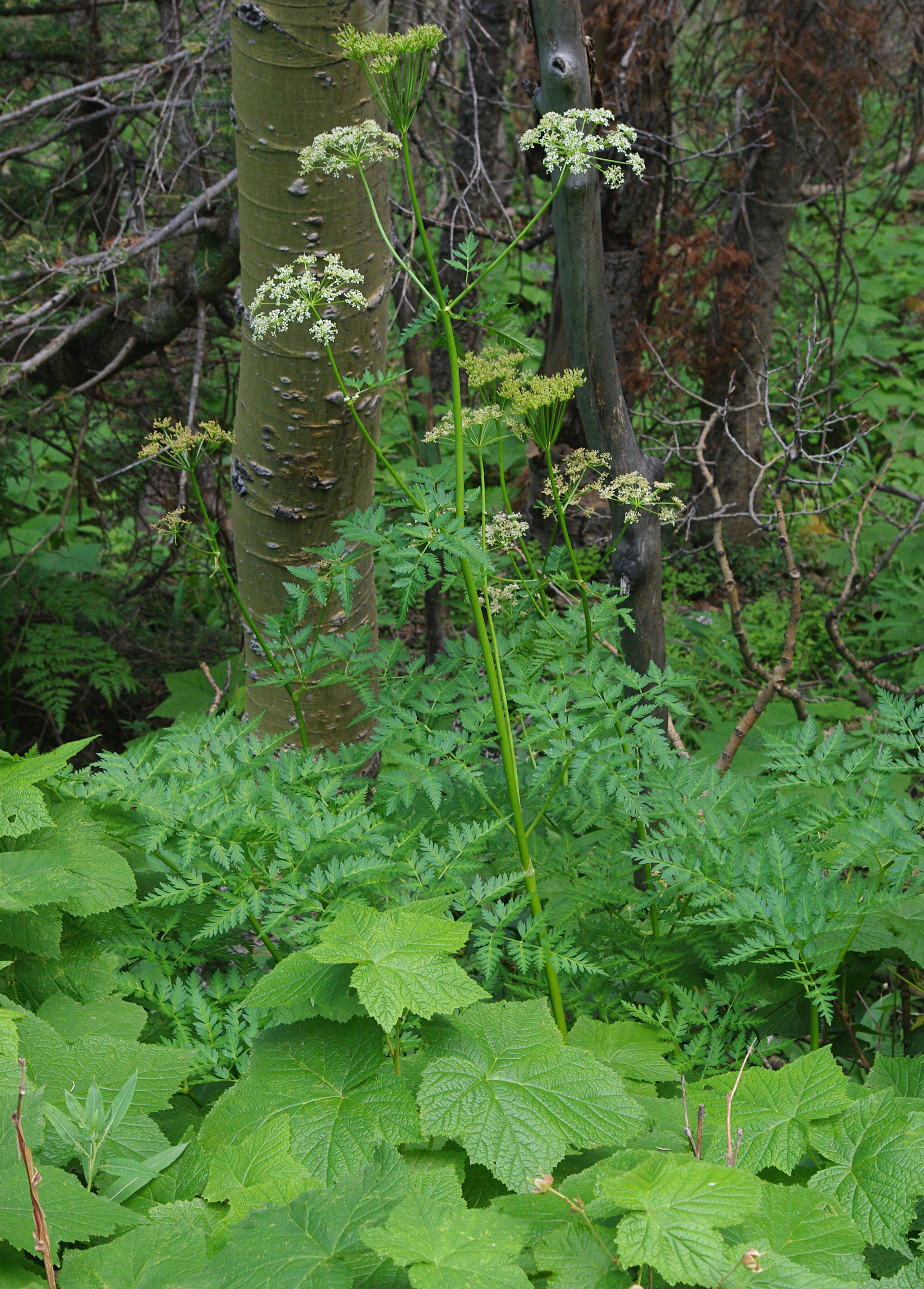
Osha: Materia Medica Osha root, wild and potent, thrives in high mountain meadows and carries the resilient spirit of the alpine wilderness. Revered by Native American and Hispanic traditions, it is a deeply warming and protective herb, especially potent for the lungs and immune system. Its strong, spicy aroma acts like a guardian—driving out cold and stagnation while grounding and restoring vitality. “Osha burns through the fog of illness—clearing the breath, protecting the heart.” MATERIA MEDICA Latin Binomial: Ligusticum porteri Common Name(s): Osha, Bear Root, Colorado Cough Root, Wild Parsley TCM Name: Not directly used; energetically similar to Chuan Xiong ( Ligusticum chuanxiong ) Ayurvedic Name: No direct match; energetically comparable to warming expectorants Family: Apiaceae (Umbelliferae) Physical Description of the Plant: A perennial herb with large, divided leaves resembling parsley or celery. Bears umbrella-shaped white flower clusters and thick, dark-brown, aromatic roots. Grows at high elevations (7,000–10,000 feet). Habitat: Native to the Rocky Mountains and southwestern United States, especially in Colorado, New Mexico, and Utah. Found in montane and subalpine zones. Harvest and Collection: Roots are harvested in fall after the plant goes to seed. Ethical wildcrafting is crucial, as Osha is slow-growing and at risk of overharvest. Parts of the Plant Used: Root Qualities: Pungent, bitter, aromatic Energetics: Warming, drying, stimulating, dispersing Chemical Constituents: Volatile oils (Z-ligustilide, ferulic acid) Coumarins Alkaloids Resins Polyacetylenes Phthalides Actions: Expectorant Antiviral Antibacterial Immunostimulant Diaphoretic Carminative Anti-inflammatory Analgesic (mild) Emmenagogue (mild) Indications: Respiratory infections (cold, flu, bronchitis, sore throat) Deep lung congestion and dry, hacking cough Onset of cold or flu (early immune activation) Altitude sickness and fatigue Indigestion from cold or sluggish digestion Warming circulatory support Diagnostic Picture: Osha is best for cold, damp respiratory conditions—especially where lungs feel tight, breath is shallow, or mucus is thick. Excellent at the onset of illness to stimulate sweating, breathing, and immunity. Also indicated for cold, sluggish digestion and exhaustion from illness or exposure. Contraindications/Cautions: Avoid during pregnancy (mild emmenagogue) Avoid in hot, dry constitutions or fevers with dryness Harvest with respect—wild populations are threatened Not for long-term use in large doses Drug Interactions: May interact with anticoagulants due to coumarins Use with caution alongside immune-modulating drugs Dosage: Tincture: 1–3 mL, 2–4x daily (especially at first signs of illness) Decoction: 1 tsp dried root per cup; simmer 20–30 minutes; up to 3 cups/day Chewing Fresh Root: Small piece chewed at onset of respiratory symptoms (traditionally used) Steam Inhalation: Simmered root or essential oil in hot water for breathing ease Combinations: With Echinacea and Elderberry at onset of flu With Thyme and Licorice for bronchial congestion With Ginger and Cayenne for circulatory warmth With Yerba Mansa or Usnea for antimicrobial synergy Folklore: Used by many Native American tribes as a powerful medicine for colds, flus, infections, and spiritual cleansing. Called “Bear Root” because bears were seen digging and eating it upon waking from hibernation—believed to renew strength and immunity. In Hispanic herbalism, it is a staple for “mal aire” (bad air) and used in limpia (cleansing) rituals. Applications: Best used at the onset of colds and respiratory infections, or during illness with heavy congestion. Also supports stamina in high altitudes and cold climates. Excellent as tincture, decoction, or in steam blends. Can be infused into salves or oils for chest rubs. Recipes: Respiratory Tonic Tea Osha root Thyme Licorice root Ginger Simmer roots for 20 minutes, steep thyme 10 minutes, strain and sip hot Onset-of-Illness Tincture Osha root Echinacea Elderberry Ginger Take 1–2 mL every 2–3 hours at first sign of cold Mountain Breath Steam Osha root decoction Eucalyptus and Peppermint (optional) Inhale steam for 5–10 minutes to open lungs Scientific Research: Preliminary studies show antimicrobial and antiviral activity of Osha’s root compounds. Traditional use aligns with its known properties: respiratory stimulation, infection-fighting, and immune enhancement. Due to overharvesting, cultivation or alternatives (like Elecampane or Thyme ) may be preferred. References: Moore, M. “Medicinal Plants of the Mountain West” Tierra, M. “Planetary Herbology” Hoffmann, D. “Medical Herbalism” PubMed articles on Ligusticum porteri United Plant Savers Species-at-Risk Database Check out our Cough Syrup with osha! Three Osha Recipes to Try at Home Osha Root Tea 1 teaspoon dried osha root 2 cups water Honey or lemon (optional) Bring water to a boil in a small pot. Add the dried osha root and reduce the heat to a simmer. Let simmer for about 20 minutes. Strain the tea into a mug and add honey or lemon if desired. Enjoy the warming and soothing benefits. Osha Honey Syrup 1 cup raw honey 1 tablespoon dried osha root 1 cup water Combine the osha root and water in a saucepan and bring to a boil. Reduce to a simmer and let it cook until the liquid is reduced by half. Strain the mixture, discarding the roots, and allow it to cool slightly. Stir in the raw honey until fully dissolved. Store in a sterilized jar and use as needed to soothe throats and support respiratory health. Osha Infused Oil 1 cup olive oil 2 tablespoons dried osha root Place the dried osha root in a clean, dry jar. Pour olive oil over the roots, ensuring they are fully submerged. Seal the jar tightly and place it in a warm, sunny spot for 4-6 weeks, shaking occasionally. Strain the oil through a fine mesh or cheesecloth into a clean jar. Use the infused oil for topical applications to support well-being. Always consult a qualified healthcare practitioner before introducing new herbal remedies into your routine.