Materia Medica: Mugwort
Société Apothecary
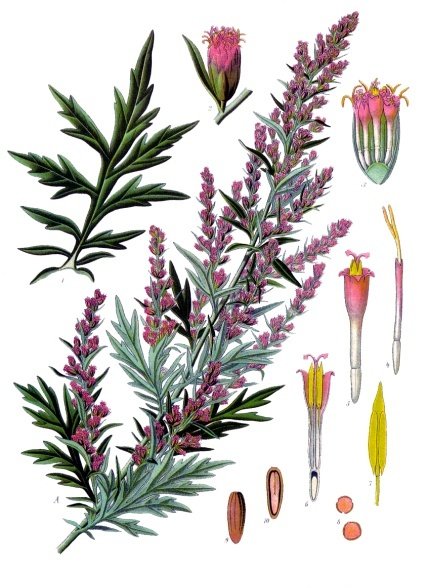
Mugwort ( Artemisia vulgaris ) is a revered herb in both Western and Eastern herbal traditions, known for its ability to stimulate digestion, promote vivid dreams, regulate menstruation, and clear energetic stagnation . Traditionally used as a visionary plant and protective herb, Mugwort is beloved by herbalists and mystics alike for its ability to support intuition, ease nervous tension, and ignite internal transformation. Its aromatic, warming nature has made it a powerful ally in ceremonies, sleep rituals, and digestive remedies. Materia Medica Latin Binomial: Artemisia vulgaris Common Names: Mugwort, Cronewort, Dream Herb, Wild Wormwood TCM Name: Ai Ye Ayurvedic Name: Damanaka Family: Asteraceae (Daisy family) Physical Description of the Plant Mugwort is a tall, hardy perennial with deeply lobed, dark green leaves that are silvery and soft underneath. It produces clusters of small, reddish to yellowish flowers and has a strong, earthy aroma when crushed. The plant thrives in disturbed soils and along roadsides and woodland edges. Habitat Native to Europe, Asia, and Northern Africa, Mugwort has naturalized throughout North America. It grows in a wide range of conditions and is often found in meadows, fields, and forest edges. Harvest and Collection Leaves and flowering tops are harvested during the plant's peak bloom in mid to late summer. Best collected on a dry, sunny day when the essential oils are most concentrated. Dried in a well-ventilated area and stored in airtight containers. Parts of the Plant Used Leaves (most commonly used for tea, tinctures, and smudging) Flowering Tops (used in dream work and ritual blends) Root (occasionally used for grounding and digestive support) Qualities & Benefits Key Actions: Nervine (supports the nervous system) Bitter Tonic (stimulates digestion and bile flow) Emmenagogue (stimulates menstrual flow) Carminative (relieves gas and bloating) Antimicrobial (supports immune response) Dream Enhancer (enhances lucid dreaming and dream recall) Energetics: Taste: Bitter, aromatic Temperature: Warming, drying Chemical Constituents Essential oils (including cineole, camphor, and thujone) Flavonoids (anti-inflammatory and antioxidant) Coumarins (support liver detoxification) Sesquiterpene lactones (digestive and immune-stimulating) Traditional Uses & Applications Western Herbalism Digestive Support: Used as a bitter to improve appetite, digestion, and liver function. Menstrual Health: Stimulates delayed or suppressed menstruation and eases menstrual cramps. Nervous System: Calms anxiety, eases nervous tension, and supports restful sleep. Dream Work: Enhances vivid dreams, lucid dreaming, and dream recall. Energetic Cleansing: Used in smudge bundles and ritual to clear negative energy and protect sacred space. Eastern Herbalism Meridians: Liver, Spleen, Kidney Moxibustion (TCM): Dried mugwort is burned over acupuncture points to promote circulation and remove cold stagnation. Calms Shen: Supports mental clarity and emotional balance. Warms the Womb: Used in postpartum and fertility practices to nourish and energize the uterus. Indications Gas, bloating, and sluggish digestion Irregular or painful menstruation Vivid or disturbed dreams Emotional stagnation and anxiety Cold hands and feet (signs of poor circulation) Contraindications & Drug Interactions Not recommended during pregnancy due to its emmenagogue effects. Use with caution in high doses due to thujone content (a neurotoxin in excessive amounts). May interact with medications affecting the nervous system. Dosage & Preparations Tincture 1–2 mL up to 3 times daily. Best taken before meals to stimulate digestion or before bed for dream support. Infusion (Tea) 1–2 teaspoons dried herb per cup of hot water. Steep for 10–15 minutes. Drink after meals or before sleep. Smoke Blend Often used with other dream herbs (like Blue Lotus or Damiana) to enhance dreaming and induce trance states. Moxibustion Dried Mugwort rolled into sticks or cones and burned near acupuncture points to warm and invigorate Qi. Combinations With Blue Lotus for enhanced dream work and spiritual insight. With Ginger for digestive warmth and menstrual relief. With Motherwort for calming the heart and supporting the womb. Folklore & Historical Uses Known as a sacred herb of Artemis, protector of women and childbirth. Hung above doorways or worn for protection against evil spirits. Used in European midsummer rituals to invoke visions and dream states. Considered a traveler’s herb, placed in shoes to prevent fatigue. Scientific Research & Studies Emerging research supports Mugwort’s antimicrobial, digestive, and neuroprotective effects. Studies on its essential oils show potential anti-inflammatory and mood-stabilizing benefits, though more human clinical trials are needed. Recipes Dreamtime Tea Blend Ingredients: 1 tsp Mugwort 1 tsp Chamomile ½ tsp Lavender Instructions: Steep in hot water for 10 minutes. Drink before bed to enhance dreaming. Digestive Bitters Tincture Ingredients: 1 part Mugwort 1 part Dandelion Root 1 part Orange Peel Instructions: Infuse in alcohol for 4 weeks. Strain and take before meals to support digestion. Conclusion Mugwort is a multidimensional plant spirit—bittersweet, bold, and deeply intuitive. Whether used to ease digestion, support the womb, protect your energy, or open the dream realms, Mugwort invites you into deeper connection with your body, your cycles, and your inner wisdom. Check out all our products at Societe with mugwort! Three Mugwort Recipes to Try at Home Mugwort Dream Pillow 1 cup dried mugwort leaves 1 small muslin or cotton drawstring bag Optional: a few drops of lavender essential oil Place the dried mugwort leaves into the muslin or cotton bag. Add a few drops of lavender essential oil if desired for additional calming effects. Close the bag securely and place it under your pillow or near your bedside to promote vivid dreaming and restful sleep. Always consult a qualified practitioner before using herbal remedies, especially if pregnant or nursing. Mugwort Infused Vinegar 1 cup fresh mugwort leaves 2 cups apple cider vinegar 1 glass jar with a lid Chop the fresh mugwort leaves and place them in the glass jar. Pour apple cider vinegar over the mugwort until fully submerged. Seal the jar tightly and store it in a cool, dark place for 2-4 weeks, shaking occasionally. Strain the vinegar into a clean bottle, discarding the herbs. Use as a flavorful addition to salads or marinades. Always consult a qualified practitioner before using herbal remedies, especially if pregnant or nursing. Mugwort Foot Soak 1 cup dried mugwort 8 cups water Large basin or foot bath Bring the water to a boil in a large pot, then remove from heat. Add the dried mugwort, cover, and let steep for 20-30 minutes. Strain the liquid into a large basin or foot bath, allowing it to cool to a comfortable temperature. Soak your feet for 15-20 minutes to soothe tired muscles and relax the mind. Always consult a qualified practitioner before using herbal remedies, especially if pregnant or nursing.