Materia Medica: Lotus Leaf
Société Apothecary
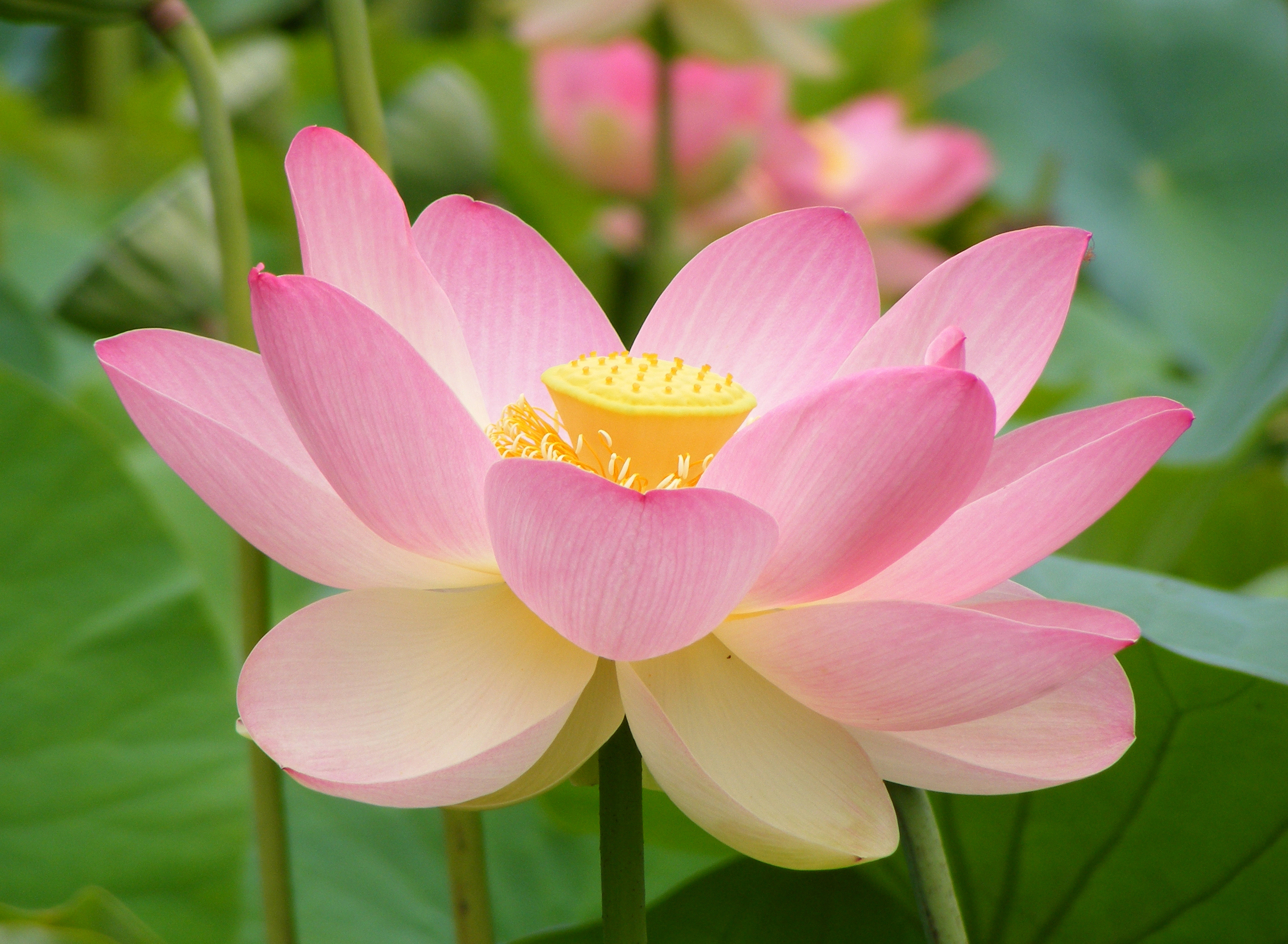
A leaf of calm waters and quiet transformation, Lotus Leaf invites stillness into the body and clarity into the mind. As the flower blooms untouched by the mud, the leaf holds medicine for those navigating excess, stagnation, and inner heat. Cooling, diuretic, and spiritually revered, it is a tonic for modern overwhelm—helping us release what we no longer need. “To the body, lightness. To the mind, clarity. To the spirit, grace through letting go.” Latin Binomial: Nelumbo nucifera Common Name(s): Lotus Leaf, Sacred Lotus, He Ye (荷叶) TCM Name: He Ye (荷叶) – widely used; associated with clearing summer heat and uplifting the spleen Ayurvedic Alignment: Cooling, lightening; reduces excess Kapha and Pitta Family: Nelumbonaceae Physical Description of the Plant A water-loving perennial with large, round, peltate (umbrella-like) leaves that rise above the surface of still ponds and lakes. The leaves are smooth, water-repellent, and gently undulating like silk on water. They often reach 1–2 feet wide and are attached to long, hollow stalks. Habitat Native to Asia, particularly India and China; cultivated throughout tropical and temperate regions. Grows in muddy, slow-moving freshwater environments—ponds, lakes, rice paddies. Thrives in heat and humidity. Harvest and Collection Leaves are harvested during the summer, ideally before flowering. Best collected in the early morning. They are dried whole or sliced and stored in airtight containers out of direct light. Fresh leaves may be difficult to preserve but are used in some traditional preparations. Parts of the Plant Used Leaves – dried or fresh for tea, decoction, or powder Seeds and Stamens – often used for calming the heart/spirit Roots (Rhizomes) – used as food and medicine Petals – occasionally used ceremonially or in blends Qualities Taste: Slightly bitter, mildly sweet Energetics: Cooling, drying, uplifting Tissue States: Damp heat, stagnation, lax tone, emotional heaviness Chemical Constituents Flavonoids (quercetin, kaempferol) Alkaloids (nuciferine – calming, anti-obesity potential) Tannins Polysaccharides Vitamin C Chlorophyll Trace minerals Actions Diuretic Astringent Antioxidant Anti-inflammatory Hypolipidemic (supports fat metabolism) Antihyperglycemic (supports blood sugar balance) Antipyretic (fever-reducing) Mild nervine Antibacterial Indications Swelling, edema, water retention Summer heat with dampness (heavy limbs, nausea, thirst) Loose stools, diarrhea Excess sweating High cholesterol or sluggish fat metabolism Blood sugar imbalance (supportive) Restlessness or heat-related anxiety Emotional overwhelm and stagnation Support during fasting, detoxification, or cleansing rituals Diagnostic Picture For those burdened by excess—be it heat, damp, emotion, or overindulgence—Lotus Leaf offers a lightening touch. It is best suited for those who feel bogged down, puffy, overheated, or emotionally stuck. Its essence is one of graceful release and buoyancy. Contraindications / Cautions Avoid during pregnancy due to its cooling and potentially blood-moving properties May be too drying for cold, dry, or deficient constitutions Use caution with hypotension (may mildly lower blood pressure) Not suitable for long-term use without balancing moistening or warming herbs Drug Interactions No major interactions documented. May have additive effects with diuretics or antihypertensives. Use clinical caution. Check out our lotus leaf products! Three Lotus Leaf Recipes to Try at Home Lotus Leaf Tea 1 tablespoon dried lotus leaves 2 cups boiling water Honey or lemon (optional) Rinse the dried lotus leaves briefly under cold water to remove any dust. Place the leaves in a teapot and pour boiling water over them. Cover and let steep for 10-15 minutes. Strain the tea into cups and sweeten with honey or lemon if desired. Enjoy your calming and fragrant cup of lotus leaf tea. Consult a qualified practitioner before incorporating lotus leaf tea into your daily routine, especially if pregnant or nursing. Lotus Leaf Herbal Bath Soak 1 cup dried lotus leaves 1/2 cup Epsom salts 5-10 drops lavender essential oil (optional) Crush the dried lotus leaves slightly to release their fragrance. Mix the crushed leaves with Epsom salts in a large bowl. Add lavender essential oil for an extra touch of relaxation. Place the mixture inside a muslin bag or a clean sock and tie securely. Drop the bag into a warm bath and let it infuse while you soak for 20-30 minutes. Before using herbal bath soaks, check with a qualified practitioner to ensure they are right for your skin and health conditions. Lotus Leaf Rice Wraps 6 large fresh or rehydrated dried lotus leaves 2 cups cooked jasmine rice 1/2 cup diced vegetables (carrots, bell peppers, or mushrooms) 1 tablespoon soy sauce 1 teaspoon sesame oil Rinse lotus leaves thoroughly and steam them until pliable. In a bowl, combine the cooked rice, diced vegetables, soy sauce, and sesame oil. Lay a lotus leaf flat on a working surface and place a portion of the rice mixture in the center. Fold the leaf edges over the filling to create a neat package. Repeat with remaining leaves and filling. Steam the wrapped parcels for 15-20 minutes until heated through. It's always beneficial to consult a qualified practitioner before trying new culinary uses of herbal plants.