Materia Medica: Lavender
Société Apothecary
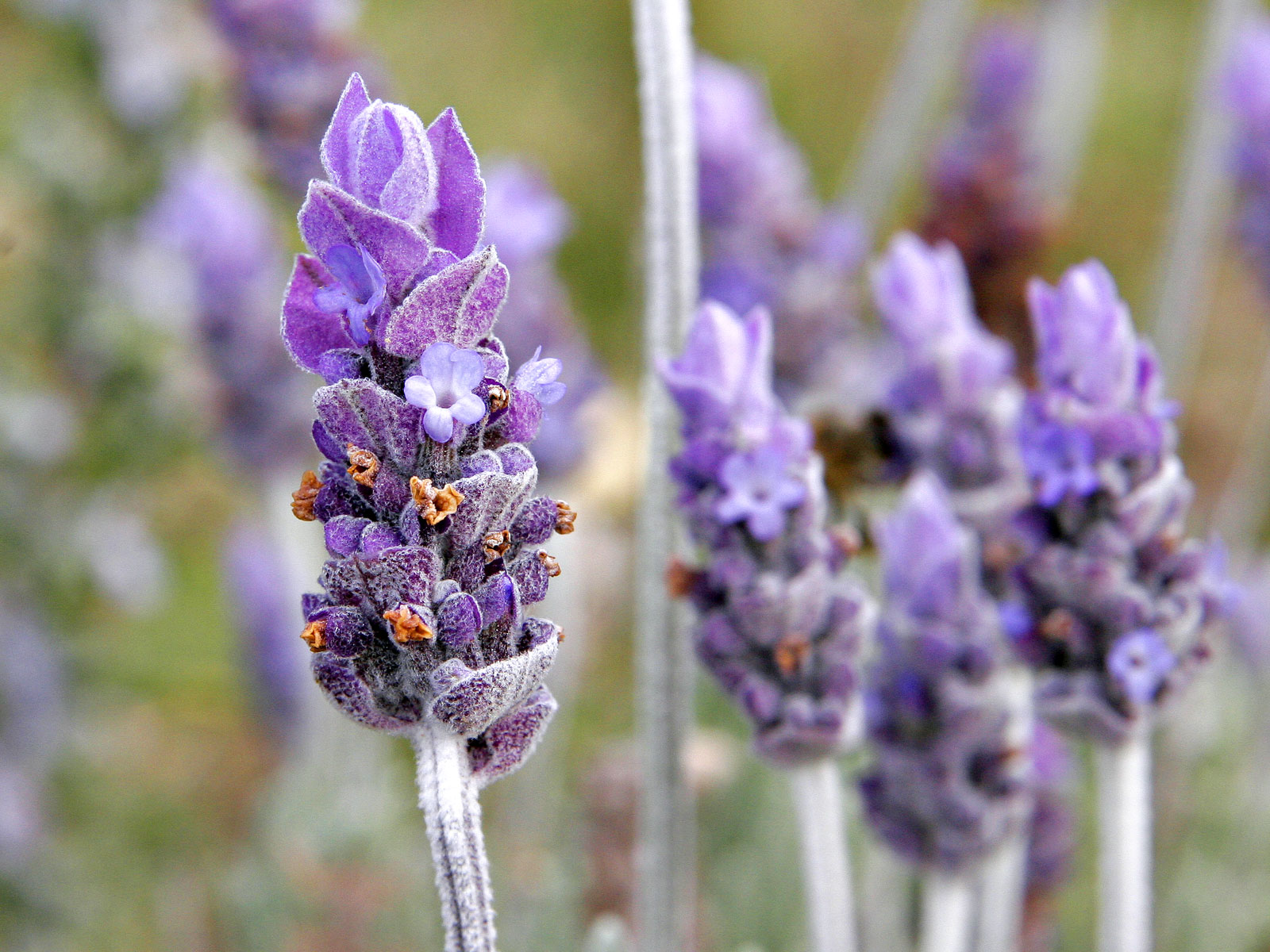
Lavender: Materia Medica Lavender, with its soothing fragrance and purple blossoms, is a beloved herb of the heart and mind. Celebrated across Mediterranean, European, and Persian traditions, it brings calm to the nerves, relief to pain, and clarity to the senses. Used both medicinally and spiritually, it is an herb of harmony, peace, and gentle cleansing. “Lavender comforts the spirit and smooths the rough edges of mind and body alike.” MATERIA MEDICA Latin Binomial: Lavandula angustifolia Common Name(s): Lavender, English Lavender, True Lavender TCM Name: Not commonly used Ayurvedic Name: Often equated with “Ustukhuddus” or substituted for calming nervines Family: Lamiaceae (Mint family) Physical Description of the Plant: A woody perennial shrub with narrow gray-green leaves and tall spikes of purple to blue-violet flowers. Distinctively aromatic, with square stems and opposite leaves typical of the mint family. Habitat: Native to the Mediterranean region; now cultivated worldwide in temperate climates. Prefers well-drained, sandy soil and full sun. Harvest and Collection: Flowers are harvested in full bloom for highest essential oil content. Best collected mid-morning after dew has dried. Parts of the Plant Used: Flowers (primarily), sometimes leaves in topical or aromatic blends Qualities: Aromatic, slightly bitter, warming, drying Energetics: Cooling to hot minds and emotions, warming to stagnant digestion Chemical Constituents: Essential oils (linalool, linalyl acetate, cineole, camphor) Tannins Coumarins Flavonoids Triterpenes Actions: Nervine (relaxing) Anxiolytic Antidepressant (mild) Sedative Antispasmodic Carminative Antimicrobial Anti-inflammatory Analgesic (topical) Emmenagogue (mild) Indications: Anxiety, nervous tension, stress-related symptoms Insomnia and restlessness Headaches and migraines (especially tension-related) Digestive upset from nervousness (gas, bloating) Menstrual cramps and premenstrual irritability Minor burns, wounds, and insect bites (topical) Muscle tension and soreness (as massage oil) Diagnostic Picture: Lavender fits the picture of a person overwhelmed, anxious, irritable, or experiencing insomnia with tension. It suits digestive or reproductive issues linked to emotional stress and is ideal when physical discomfort has a nervous component. Contraindications/Cautions: Avoid high internal doses during early pregnancy May irritate sensitive skin in rare cases when applied topically In rare cases, essential oil may disrupt hormone balance in children (topical use) Drug Interactions: May enhance effects of sedatives or anti-anxiety medications Use caution with anticoagulants (due to coumarins) Dosage: Infusion (Tea): 1 tsp dried flowers per cup; steep 10–15 minutes; up to 3x daily Tincture: 1–2 mL, 2–3x daily Essential Oil: 1–2 drops diluted in carrier oil for massage; a few drops in a diffuser Bath: 1–2 handfuls of dried flowers or 10–15 drops of essential oil in warm bath water Combinations: With Chamomile and Lemon Balm for nervous digestion or sleep With Skullcap or Passionflower for anxiety and insomnia With Rose and Motherwort for heartache or emotional overwhelm With Peppermint and Ginger for digestive tension Folklore: Lavender has been burned as incense to cleanse sacred spaces and ward off illness since ancient Rome and Greece. It was sewn into sachets for love, protection, and sleep in Medieval Europe. The name lavandula comes from Latin lavare —“to wash”—speaking to its cleansing properties in both physical and spiritual realms. Applications: Used as tea, tincture, essential oil, or in culinary recipes. Lavender is both medicine and magic—a universal herb for nervous system support, gentle detox, emotional balance, and skin care. Recipes: Calming Sleep Tea Lavender flowers Chamomile Lemon balm Steep gently and drink before bed Headache Compress Lavender flower infusion Peppermint essential oil (1 drop) Soak cloth and apply to temples Relaxing Massage Oil Lavender essential oil (5 drops) Carrier oil (1 oz, e.g., almond or jojoba) Use on neck, shoulders, or abdomen Lavender Bath Soak Dried lavender (1/2 cup) Epsom salts (1 cup) Optional: rose petals or baking soda Add to warm bath for stress relief and muscle relaxation Scientific Research: Lavender essential oil has been clinically studied for its anxiolytic and sedative effects, with significant results in reducing anxiety, improving sleep, and easing tension headaches. It shows antimicrobial and anti-inflammatory actions, making it useful in topical and respiratory formulas. References: Hoffmann, D. “Medical Herbalism” Mills & Bone “Principles and Practice of Phytotherapy” PubMed: Lavender ( Lavandula angustifolia ) research ESCOP and German Commission E monographs Check out our many lavender products Three Lavender Recipes to Try at Home Lavender Calming Tea 1 tablespoon dried lavender flowers 1 tablespoon dried chamomile flowers 2 cups boiling water Honey or lemon (optional) Combine the dried lavender and chamomile flowers in a teapot or heatproof jar. Pour the boiling water over the herbs, then cover and let steep for 10 minutes. Strain the tea into cups, adding honey or lemon to taste if desired. Enjoy as a soothing evening ritual to unwind. Lavender Infused Honey 1 cup raw honey 2 tablespoons dried lavender flowers Slightly warm the honey on low heat, ensuring it doesn't boil. Stir in the dried lavender flowers until evenly distributed. Pour the mixture into a clean jar and seal tightly. Let it infuse for at least one week, then strain out the flowers. Use to sweeten tea, drizzle on desserts, or add a floral note to your breakfast. Lavender Bath Soak 1 cup Epsom salts 1/2 cup baking soda 2 tablespoons dried lavender flowers 10-15 drops lavender essential oil In a mixing bowl, combine the Epsom salts and baking soda. Stir in the dried lavender flowers. Add the lavender essential oil and mix thoroughly. Store in an airtight container and use about 1/2 cup per bath. Pour into warm bath water, stir to dissolve, then soak and relax. Always consult a qualified practitioner before using herbal remedies, especially if you are pregnant, nursing, or have existing health concerns.