Materia Medica: Ginkgo Leaf
Société Apothecary
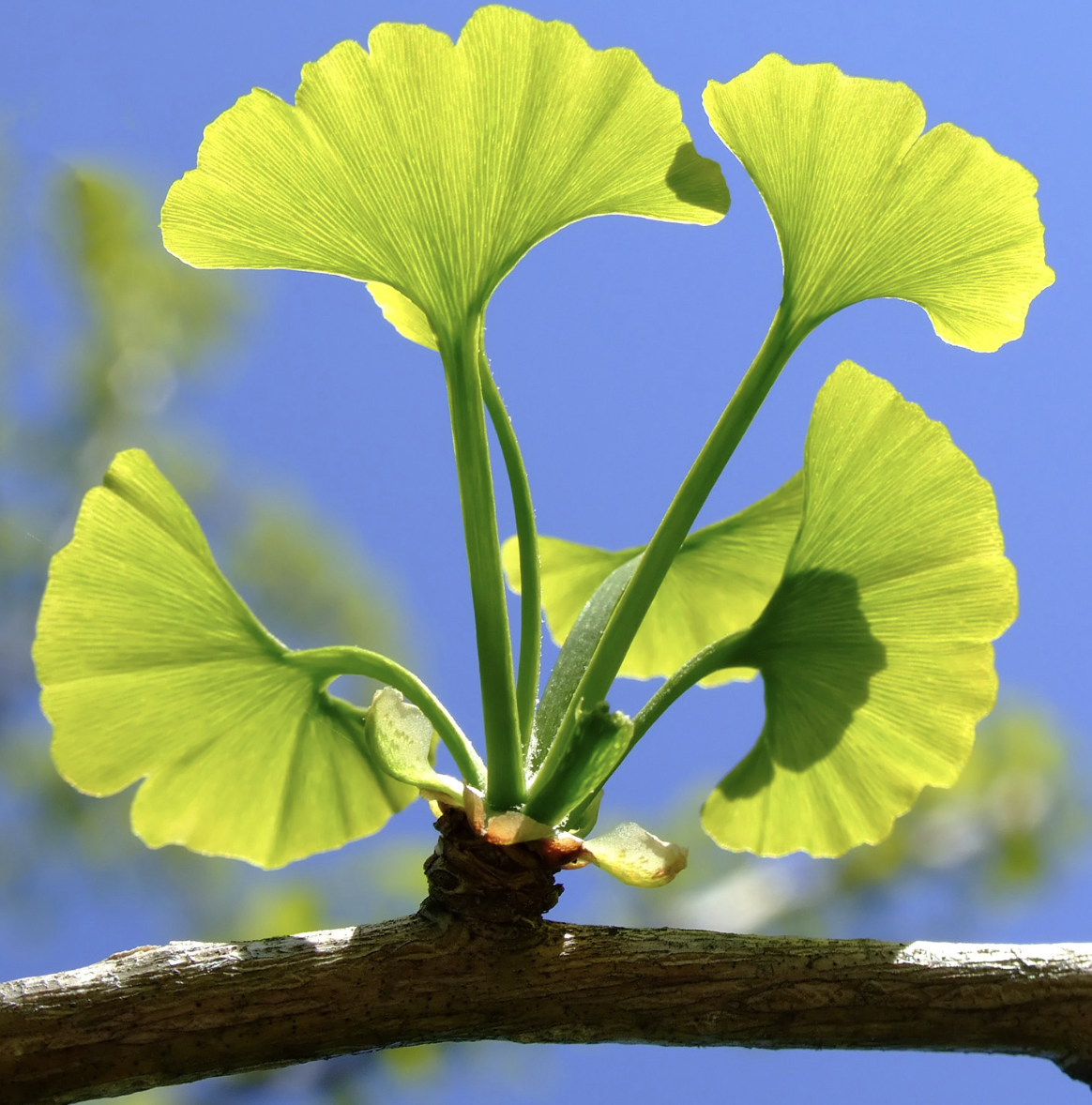
]( https://www.societeapothecary.com/s/search?q=ginkgo ) Ginkgo Leaf: Materia Medica Ancient and resilient, the Ginkgo tree is a living fossil—unchanged for over 200 million years. Its fan-shaped leaves, once food for dinosaurs, now serve as powerful medicine for the modern mind and circulation. Ginkgo stands as a bridge between memory and presence, tradition and renewal. “Ginkgo carries the wisdom of time—strengthening memory, circulation, and spirit with every golden leaf.” MATERIA MEDICA Latin Binomial: Ginkgo biloba Common Name(s): Ginkgo, Maidenhair Tree TCM Name: Bai Guo Ye (白果叶) Ayurvedic Name: Not classically used but sometimes adopted in modern formulations Family: Ginkgoaceae Physical Description of the Plant: A tall, deciduous tree with distinct fan-shaped, bilobed leaves that turn brilliant yellow in autumn. Ginkgo trees are dioecious (separate male and female trees). Female trees bear malodorous fruits, while the leaf is used medicinally. Habitat: Native to China; now cultivated worldwide in temperate regions. Highly tolerant of urban pollution and soil variation. Harvest and Collection: Leaves are harvested in summer to early fall before they begin to yellow. Dried quickly in shade to preserve phytochemicals. Parts of the Plant Used: Leaves (the seeds or “nuts” are used in TCM with caution but not generally recommended due to toxicity) Qualities: Bitter, slightly astringent Energetics: Neutral to slightly cooling; drying, stimulating to circulation Chemical Constituents: Flavonoid glycosides (quercetin, kaempferol) Terpenoids (ginkgolides, bilobalide) Organic acids Proanthocyanidins Antioxidants Actions: Nootropic Vasodilator (especially microcirculation) Antioxidant Neuroprotective Antiplatelet (mild) Tonic for capillaries and veins Anti-inflammatory (mild) Anti-vertigo Indications: Memory loss, cognitive decline, early-stage Alzheimer’s Tinnitus and vertigo (vascular-related) Raynaud’s syndrome and poor extremity circulation Eye health (macular degeneration, glaucoma adjunct) Intermittent claudication (leg cramping from poor blood flow) Brain fog and mental fatigue Recovery after stroke or brain injury (adjunctive use) Diagnostic Picture: Ginkgo is suited for individuals with sluggish circulation to the brain or extremities—cold hands and feet, slow memory recall, dizziness, or vascular tension. Best for the aging, mentally fatigued, or forgetful. Contraindications/Cautions: May increase bleeding risk; avoid with blood thinners or before surgery Rare side effects: headache, digestive upset, dizziness Avoid use of seeds unless under trained guidance (toxic in high doses) Drug Interactions: Anticoagulants (warfarin, aspirin, etc.) Antiplatelet drugs Seizure medications (high doses may reduce seizure threshold) Monitor closely with diabetes medications (can slightly alter glucose regulation) Dosage: Tincture: 1–2 mL up to 3x daily Capsules/Extract: 120–240 mg daily, standardized to 24% flavone glycosides and 6% terpenoids Tea: Less commonly used due to lower extraction; simmer dried leaves gently and combine with circulatory tonics Combinations: With Gotu Kola for cognitive support and vascular repair With Lion’s Mane for neuroregenerative protocols With Rosemary and Sage for memory blends With Hawthorn for heart and brain circulation synergy With Bilberry for eye and capillary health Folklore: The Ginkgo tree is sacred in China and Japan, often planted near temples as a symbol of longevity, endurance, and enlightenment. It survived the atomic bomb in Hiroshima, sprouting anew and becoming a global emblem of resilience. The leaf’s unique shape symbolizes balance and duality—feminine and masculine, mind and memory. Applications: Ginkgo leaf is one of the best herbs for mental clarity, cognitive aging, and circulatory sluggishness. It’s not a quick fix but builds over time, restoring microvascular flow and protecting delicate tissues from oxidative stress. Best suited for long-term use in aging adults, students, and those recovering from neurological insult. Recipes: Brain Flow Tincture Blend Ginkgo leaf Gotu Kola Rosemary Lion’s Mane Equal parts tincture; take 1 dropperful 2–3x daily Cognitive Clarity Tea 1 part Ginkgo leaf 1 part Peppermint 1 part Lemon Balm Steep 10–15 minutes; enjoy during study or work Ginkgo Eye Tonic (Capsule Formula) Ginkgo (standardized extract) Bilberry Vitamin C Used daily to support vision and microcapillary circulation Scientific Research: Ginkgo has been studied extensively for cognitive function, memory, and vascular health. Clinical trials support its benefits in mild to moderate dementia, intermittent claudication, and age-related cognitive decline. Its antioxidant and neuroprotective properties continue to make it a subject of neurological and ophthalmologic research. References: Blumenthal, M. “The Complete German Commission E Monographs” Hoffmann, D. “Medical Herbalism” Bone & Mills “Principles and Practice of Phytotherapy” https://www.ncbi.nlm.nih.gov https://www.herbalgram.org https://www.mountainroseherbs.com Check out our Gingko Leaf products here . Three Ginkgo Leaf Recipes to Try at Home Ginkgo Leaf Tea 1 tablespoon dried ginkgo leaves 2 cups boiling water Honey or lemon (optional) Place the dried ginkgo leaves in a teapot or heatproof container. Pour boiling water over the leaves and cover. Let steep for 5-10 minutes, depending on desired strength. Strain into a cup and sweeten with honey or lemon if desired. Enjoy your warm, soothing cup of ginkgo tea. Consult a qualified practitioner before using ginkgo for extended periods, especially if taking medications. Ginkgo Leaf Infused Oil 1 cup dried ginkgo leaves 2 cups olive oil or another carrier oil Place the dried ginkgo leaves in a clean, dry glass jar. Cover completely with olive oil, ensuring the leaves are fully submerged. Seal the jar and place it in a sunny spot for 2-4 weeks, shaking gently every few days. Strain the oil through a fine mesh or cheesecloth into a clean bottle. Use the infused oil for massage or as a moisturizing body oil. Always perform a patch test before using infused oils on the skin. Ginkgo Leaf Memory-Boosting Smoothie 1 teaspoon dried ginkgo leaf powder 1 cup almond milk 1 banana 1 tablespoon almond butter 1 teaspoon honey Ice cubes (optional) Blend the almond milk, banana, almond butter, and honey until smooth. Add the dried ginkgo leaf powder and blend again until fully incorporated. Add ice cubes for a chilled smoothie, if desired, and blend once more. Pour into a glass and sip slowly, enjoying the refreshing taste and potential cognitive benefits. Consult a qualified practitioner if you have any pre-existing health conditions before incorporating ginkgo into your diet.