Materia Medica: Ginger
Société Apothecary
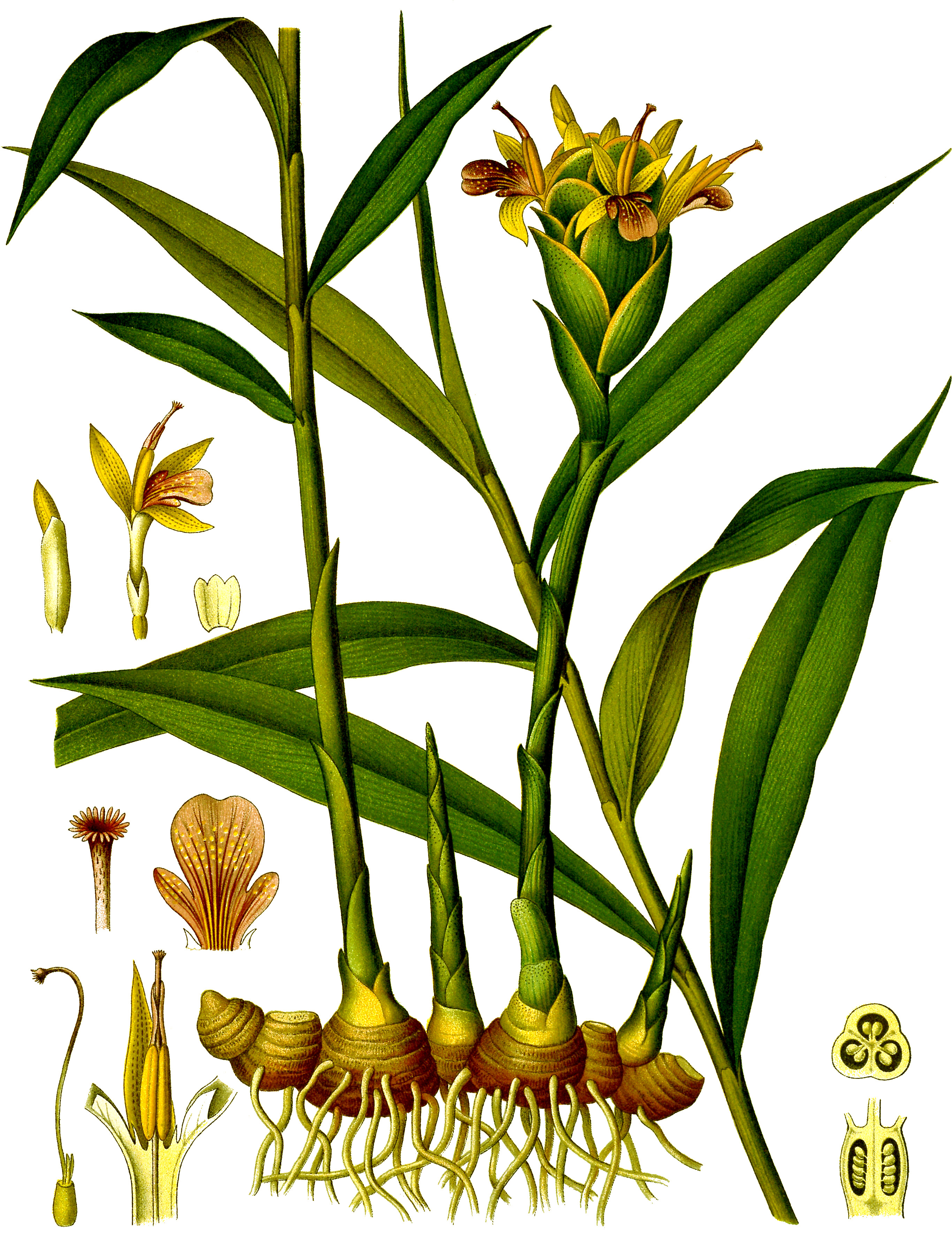
Ginger Root: Materia Medica Fiery and aromatic, Ginger has been revered for millennia across cultures—from Ayurvedic tonics to Chinese warming remedies and global culinary traditions. As both a spice and a powerful root medicine, Ginger kindles digestive fire, disperses cold, and invigorates circulation. “Ginger stirs the pot—awakening warmth, movement, and zest for life.” MATERIA MEDICA Latin Binomial: Zingiber officinale Common Name(s): Ginger, Ginger Root, Sunthi (dried form in Ayurveda) TCM Name: Sheng Jiang (fresh), Gan Jiang (dried) Ayurvedic Name: Adraka (fresh), Sunthi (dried) Family: Zingiberaceae Physical Description of the Plant: A tropical, flowering plant with lush green blades and yellow-green flowers. The medicinal and culinary root is the knobby, fragrant rhizome, typically golden inside with a spicy aroma. Habitat: Native to Southeast Asia; cultivated throughout the tropics, including India, China, Jamaica, and Nigeria. Harvest and Collection: Rhizomes are harvested once mature—often 8–10 months after planting. Used fresh, dried, powdered, or in extracts. Parts of the Plant Used: Rhizome (root) Qualities: Pungent, spicy, warming Energetics: Hot, dry, stimulating Chemical Constituents: Gingerols (anti-inflammatory, pungent compounds) Shogaols (formed when dried) Zingerone Essential oils (zingiberene, β-bisabolene) Resins and volatile oils Actions: Carminative Antiemetic (anti-nausea) Circulatory stimulant Anti-inflammatory Diaphoretic Digestive stimulant Antispasmodic Antimicrobial Analgesic (mild) Emmenagogue (promotes menstruation) Indications: Nausea (motion sickness, pregnancy, chemotherapy) Gas, bloating, and indigestion Cold, flu, sore throat, and chills Menstrual cramps Poor circulation, cold hands/feet Joint pain and arthritis Recovery from viral infections and fatigue Loss of appetite or sluggish digestion Diagnostic Picture: Ginger suits cold, damp constitutions—people with sluggish digestion, fatigue, or cold extremities. It's energizing and invigorating, especially when there's stagnation, pain, or chill. Dried ginger is more heating; fresh is more dispersing and surface-acting. Contraindications/Cautions: Use caution in hot, inflammatory conditions (e.g., ulcers, high fever) Avoid high doses in pregnancy (though small doses are generally considered safe for nausea) May cause heartburn in sensitive individuals Drug Interactions: May potentiate blood-thinning medications (e.g., warfarin) Monitor with antihypertensives and antidiabetic drugs (may enhance effects) Dosage: Fresh juice or tea: 1–2 tsp grated fresh root per cup, steeped or simmered Dried powder: ¼–½ tsp up to 3x daily Tincture: 1–3 mL up to 3x daily Capsules: 250–1000 mg standardized extract, up to 2x daily External use: Ginger compress or oil for joint pain and circulation Combinations: With Peppermint for nausea and digestive upset With Turmeric and Boswellia for anti-inflammatory blends With Licorice for cough and sore throat With Cinnamon and Cardamom in warming chai and circulatory tonics Folklore: Ginger has been used in Indian and Chinese medicine for over 5,000 years. It was once so valuable it was traded like gold and used as a tax payment in England. In many traditions, it’s associated with fire, courage, and stimulating desire—both digestive and romantic. Applications: Ginger is a kitchen and apothecary staple. Use fresh for acute colds and nausea, or dried for long-term stagnation and pain. It’s warming, invigorating, and universally useful across body systems—especially digestion, circulation, and inflammation. Recipes: Warming Digestive Tea 1 part Ginger (fresh or dried) 1 part Cinnamon chips Optional: Orange peel or fennel Simmer gently for 10–15 minutes; sweeten with honey Nausea Relief Blend Fresh Ginger juice (1 tsp) Lemon juice (1 tsp) Pinch of sea salt Mix and sip slowly during queasiness Anti-Inflammatory Paste Ginger powder Turmeric powder Warm water or coconut oil Apply topically to sore joints (test for sensitivity first) Scientific Research: Extensive research supports Ginger’s anti-nausea, anti-inflammatory, and digestive benefits. It's effective for motion sickness, chemotherapy-induced nausea, and osteoarthritis. It also exhibits antioxidant, antimicrobial, and thermogenic properties, supporting cardiovascular and immune health. References: Hoffmann, D. “Medical Herbalism” Mills & Bone “Principles and Practice of Phytotherapy” PubMed articles on Zingiber officinale World Health Organization monographs https://www.ncbi.nlm.nih.gov Check out our ginger products here Three Ginger Recipes to Try at Home Warming Ginger Tea 1 tablespoon fresh ginger, thinly sliced 2 cups water 1 tablespoon honey (optional) 1 tablespoon lemon juice (optional) Bring the water to a boil in a small saucepan. Add the sliced ginger to the boiling water. Reduce the heat and let it simmer for about 10 minutes. Strain the tea into a mug. Stir in honey and lemon juice to taste, if desired. Enjoy the comforting warmth! Ginger-Infused Honey 1 cup honey 1/4 cup fresh ginger, grated Pour the honey into a clean, dry jar. Add the grated ginger to the honey. Stir gently to combine the ingredients. Seal the jar and let it infuse for at least 3 days, shaking occasionally. Use this sweet and spicy honey as a topping for toast or in your favorite hot beverage. Ginger Foot Soak 1/4 cup fresh ginger, sliced 4 cups warm water 1/2 cup Epsom salt Few drops of essential oil (lavender or chamomile, optional) Boil the ginger slices in 2 cups of water for 10 minutes, creating a ginger decoction. Strain the decoction into a large basin and add 2 more cups of warm water. Stir in the Epsom salt until dissolved. Add a few drops of essential oil for extra relaxation. Soak your feet in this soothing bath for 15-20 minutes, letting the ginger ease your tension. Always consult a qualified practitioner before starting a new herbal regimen.