Materia Medica: Garcinia Fruit
Société Apothecary
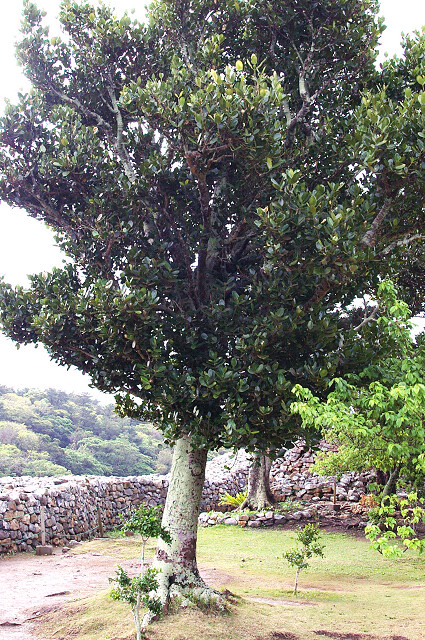
Tart, tropical, and often misunderstood, Garcinia cambogia is a small greenish-yellow fruit shaped like a miniature pumpkin—and it has a long history of culinary and medicinal use in traditional healing systems. Though best known today for its appearance in weight loss supplements, the true gifts of Garcinia lie in its support for digestion, metabolism, and internal balance. “Sour to the taste, steadying to the fire within.” Latin Binomial : Garcinia cambogia (syn. Garcinia gummi-gutta ) Common Name(s) : Garcinia, Malabar Tamarind, Brindleberry, Kudam Puli TCM Name : Not traditionally used Ayurvedic Name : Vrikshamla Family : Clusiaceae (Mangosteen family) Garcinia is a small, slow-growing tropical tree bearing fruit with a thin rind and sour pulp. It thrives in humid forests of southern India, Sri Lanka, and parts of Southeast Asia. In traditional cuisines, the dried rind is used to impart tanginess to curries and fish dishes, while in traditional medicine, it’s valued for its digestive and cleansing properties. Habitat : Native to tropical South and Southeast Asia. Cultivated widely in India (especially Kerala), Sri Lanka, Indonesia, and parts of Africa and Central America. Harvest and Collection : The fruit is harvested when ripe, sliced thinly, and sun-dried. The dried rind is the most commonly used medicinal part, rich in sour-tasting compounds. Parts Used : Fruit rind (dried), sometimes whole fruit or extracts Qualities : Sour, warming, light, drying Energetics : Warming, astringent, digestive, clearing Chemical Constituents : Hydroxycitric acid (HCA) – primary active compound Polyphenols Flavonoids Xanthones Citric acid Fiber and trace minerals Actions : Digestive stimulant Carminative Mild appetite suppressant Lipid-lowering (hypolipidemic) Blood sugar modulating Astringent Antioxidant Antibacterial and antifungal Hepatoprotective (supportive to liver function) Indications : Sluggish digestion, bloating, or heaviness after meals Overeating or food cravings (especially with emotional triggers) Mild metabolic dysregulation (insulin resistance, mild hyperlipidemia) Detoxification support Sour-tonic for kapha-type stagnation (in Ayurvedic framework) Mild liver congestion or sluggish elimination Culinary use as a digestive sour Diagnostic Picture : Garcinia is best suited for individuals with signs of sluggish metabolism—fatigue after eating, poor fat digestion, cravings for sugar or starch, or a tendency to retain excess weight or water. It supports balanced appetite, breaks up stagnation, and gently tones the gut. In Ayurveda, it’s used to pacify kapha and vata —reducing dampness, bloating, and digestive irregularity. Contraindications / Cautions : Use caution in individuals with hypoglycemia or very low body weight Not recommended during pregnancy or breastfeeding May cause GI discomfort in high doses or sensitive individuals Use cautiously with antidepressants or medications affecting serotonin levels Not for long-term use without professional oversight Drug Interactions : May interact with SSRIs or serotonergic medications Potential additive effect with hypoglycemic agents (monitor blood sugar) Dosage : Tincture (1:3 or 1:5 in 40–50% alcohol): 2–4 mL up to 2x/day before meals Powder : 500–1000 mg daily, ideally taken before meals Capsules (standardized extract): Follow product-specific dosing (usually 50–60% HCA) Culinary use : A few pieces of dried rind simmered in food or teas Decoction : Simmer 1–2 slices in 1 cup water for 10–15 min; drink before meals Combinations : With Ginger or Black Pepper for enhanced digestive stimulation With Gymnema or Cinnamon for sugar metabolism and cravings With Dandelion Root for liver support and detoxification With Turmeric and Triphala for metabolic balance and gentle cleansing Folklore : Known in parts of South India as kudam puli , Garcinia has been used for centuries in traditional cooking and Ayurvedic medicine. Its sourness is considered grounding and cleansing—cutting through heaviness and reviving sluggish digestion. In many cultures, it is considered a balancing herb, bringing moderation to excess. Applications : Garcinia can be used short-term to support gentle metabolic reset, sugar balance, or mindful eating habits. It’s ideal before heavy meals or during seasonal detox. In culinary use, it brings digestive harmony and sour brightness to stews and broths. As a botanical, it offers steadiness—supporting the body in returning to its natural rhythm without extremes. Scientific Research : Studies on Garcinia’s active compound, hydroxycitric acid (HCA), have shown mixed results in weight management and appetite suppression. However, it has demonstrated antioxidant, lipid-lowering, and anti-inflammatory effects. Whole plant use in traditional medicine remains focused on digestion, metabolism, and internal cleansing. References : Hoffmann, D. Medical Herbalism Frawley & Lad, The Yoga of Herbs https://www.ncbi.nlm.nih.gov/pmc/articles/PMC3011108/ https://www.herbalgram.org https://www.ayurveda.com https://www.mountainroseherbs.com Try our Skinn E Tea with garcinia fruit! Three Garcinia Fruit Recipes to Try at Home Garcinia Fruit Infusion 1 tablespoon dried garcinia fruit slices 2 cups boiling water Honey or lemon (optional, to taste) Place the dried garcinia fruit slices in a heatproof teapot or jar. Pour the boiling water over the fruit slices. Cover and let it steep for 15 minutes. Strain the infusion into a cup. Add honey or lemon for taste, if desired. Enjoy warm. Garcinia Syrup for Digestion 1 cup fresh garcinia fruit, chopped 1 cup water 1 cup sugar or honey In a saucepan, combine the chopped garcinia fruit and water. Bring to a boil, then reduce the heat and simmer for 20 minutes. Strain the mixture, reserving the liquid and discarding the fruit. Return the liquid to the saucepan, adding the sugar or honey. Stir over low heat until the sweetener is fully dissolved. Let it cool, then transfer to a glass bottle. Store in the refrigerator and use a spoonful as needed. Garcinia-Infused Vinegar 1/2 cup dried garcinia fruit slices 2 cups apple cider vinegar Sterilized glass jar Place the dried garcinia fruit slices in the sterilized glass jar. Pour the apple cider vinegar over the fruit, ensuring it's fully submerged. Seal the jar tightly and store it in a cool, dark place for 2 weeks, shaking it gently every few days. After 2 weeks, strain the vinegar into a clean bottle, discarding the fruit. Use in dressings or as a tonic. Always consult a qualified healthcare practitioner before adding new herbal remedies to your routine.