Materia Medica: Eucalyptus Leaf
Société Apothecary
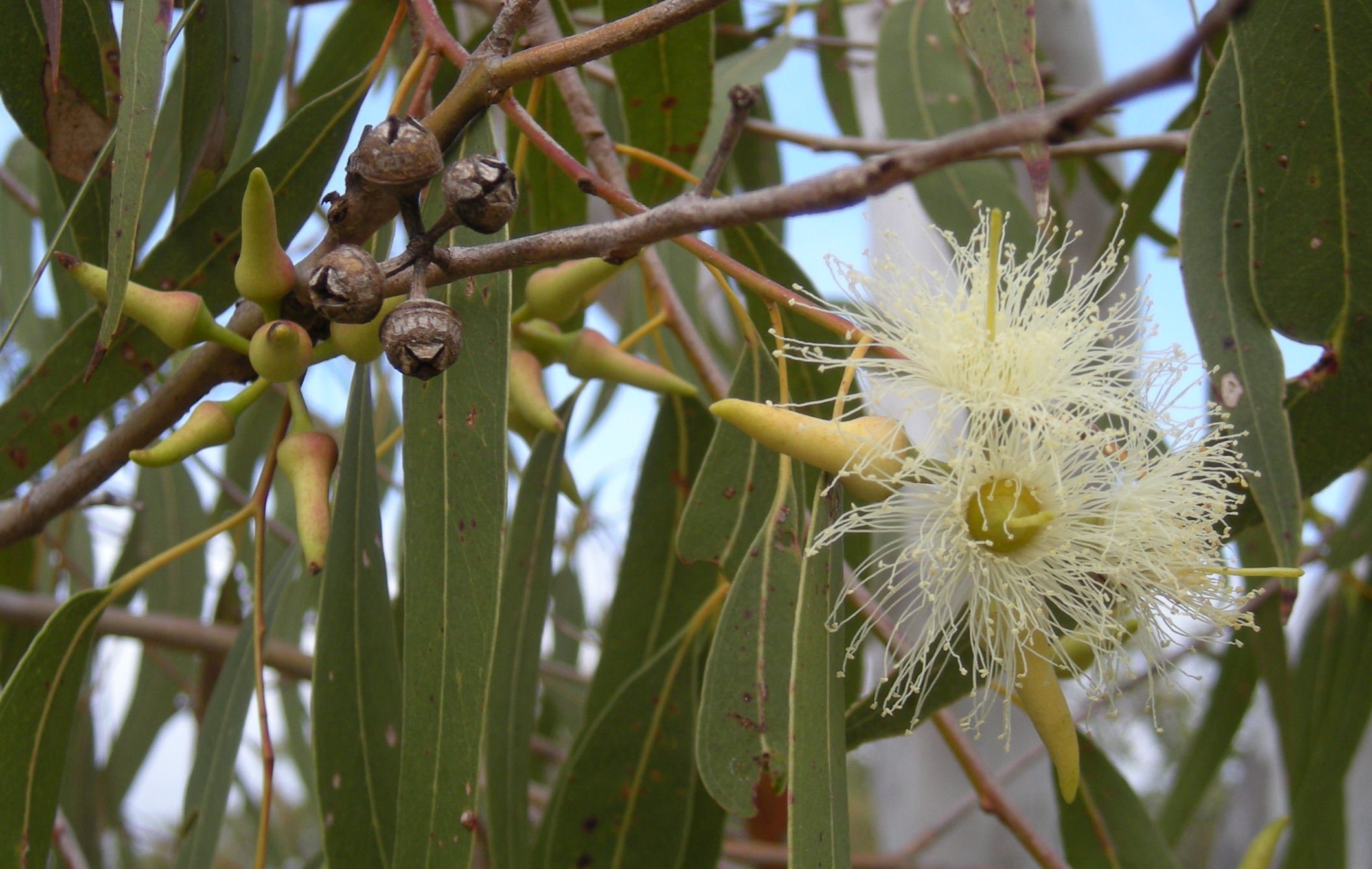
Eucalyptus Leaf: Materia Medica Strong, aromatic, and clarifying, Eucalyptus leaf has long been a symbol of purification and breath. Rooted in the healing traditions of Aboriginal Australian medicine, it has become a worldwide remedy for respiratory congestion, microbial infections, and topical inflammation. It embodies a sharp, airy strength—cutting through heaviness to restore flow. “Eucalyptus pierces the fog—restoring breath, clarity, and vitality.” MATERIA MEDICA Latin Binomial: Eucalyptus globulus Common Name(s): Eucalyptus, Blue Gum, Fever Tree TCM Name: Not traditionally used in TCM Ayurvedic Name: Tailapatra (used in modern applications) Family: Myrtaceae Physical Description of the Plant: A tall evergreen tree with smooth, peeling bark and elongated, waxy, blue-gray leaves rich in volatile oil. Young foliage is round and silver-blue, maturing into the long, sickle-shaped adult leaves. Habitat: Native to Australia and Tasmania, now naturalized in Mediterranean climates, South Africa, California, and parts of South America. Harvest and Collection: Leaves are harvested throughout the year, especially during the warm season when volatile oil content is highest. Used fresh or dried for preparations. Parts of the Plant Used: Leaves (whole or chopped, fresh or dried); essential oil (steam-distilled from leaves) Qualities: Pungent, aromatic, slightly bitter Energetics: Cooling, drying, dispersing Chemical Constituents: Eucalyptol (1,8-cineole) Tannins Flavonoids Terpenoids (α-pinene, limonene) Volatile oils Actions: Expectorant Antiseptic Decongestant Antibacterial Antiviral Anti-inflammatory Febrifuge Mild analgesic (topical) Indications: Sinus congestion, colds, bronchitis Productive cough with thick mucus Influenza and sore throat Muscular aches, sprains, and rheumatic pain (external) Mild fevers and heat with congestion Disinfection (wounds, air, surfaces) Diagnostic Picture: Ideal for damp, congested conditions—particularly in the lungs and sinuses. Also useful topically for aches or skin infections. Beneficial when clarity is needed—physically, mentally, and emotionally. Contraindications/Cautions: Do not ingest essential oil—can be toxic even in small doses Avoid use in infants and young children, especially around the face Essential oil may irritate sensitive skin—always dilute Use with caution in asthmatics—may trigger spasms Drug Interactions: May interfere with liver-metabolized medications No major interactions with dried leaf in typical herbal use Dosage: Infusion (Tea): 1–2 tsp dried leaves per cup; steep 10–15 minutes; strain well Steam Inhalation: Handful of leaves or a few drops essential oil in boiling water—inhale vapors for 5–10 minutes Topical: Diluted essential oil (2–5%) in carrier oil for chest rubs, muscle liniments Mouthwash: Weak infusion used as gargle for sore throat or oral hygiene Combinations: With Thyme and Licorice for bronchial and throat support With Peppermint and Lavender in steam blends or salves With Elderflower and Yarrow for flu season teas With Tea Tree or Lemon Balm for topical antimicrobial preparations Folklore: Aboriginal Australians have long used Eucalyptus leaves in steam baths and infusions for fevers and wounds. The name “fever tree” came from early European settlers who used it to reduce malaria symptoms. Symbolically, it is associated with cleansing, clarity, and protection. Applications: Most powerful in steams, topical preparations, and air-cleansing sprays. It opens the lungs, clears stagnation, and disinfects. Useful in winter blends, sickroom sprays, and massage oils. It invigorates both breath and mind. Recipes: Decongestant Steam Eucalyptus leaves (or 3–5 drops oil) Peppermint or Thyme (optional) Add to bowl of hot water; inhale steam under a towel Chest Rub Salve Eucalyptus essential oil Coconut oil and beeswax Camphor or Rosemary (optional) Melt and mix; apply to chest during colds Disinfectant Air Spray 10 drops Eucalyptus oil 10 drops Tea Tree oil 2 oz distilled water with 1 tsp alcohol Shake and spritz into air or on surfaces Scientific Research: Studies confirm eucalyptus’s strong antimicrobial, antiviral, and anti-inflammatory properties. Eucalyptol (1,8-cineole) is an effective mucolytic and bronchodilator, making it valuable for respiratory support. Common in lozenges, cough syrups, and inhalants worldwide. References: Hoffmann, D. “Medical Herbalism” Mills & Bone “Principles and Practice of Phytotherapy” PubMed database: Eucalyptus globulus Australian Journal of Medical Herbalism Tisserand & Young “Essential Oil Safety” Click here to check out our eucalyptus products . Three Eucalyptus Leaf Recipes to Try at Home Eucalyptus Steam Inhalation 1 handful of dried eucalyptus leaves 1 large bowl of hot water Towel Place the dried eucalyptus leaves into a large bowl. Pour hot water over the leaves, allowing them to steep and release their essential oils. Lean over the bowl, draping the towel over your head to trap the steam. Inhale deeply for 5-10 minutes, taking breaks if needed. Consult a qualified practitioner if you have respiratory conditions before using steam inhalation. Eucalyptus-Infused Oil 1 cup of dried eucalyptus leaves 1 cup of olive oil or sweet almond oil Glass jar with a tight lid Place the dried eucalyptus leaves into the glass jar. Pour the olive or sweet almond oil over the leaves, ensuring they are completely submerged. Seal the jar and place it in a warm, sunny spot for 2-4 weeks, shaking gently every few days. Strain the oil through a fine mesh or cheesecloth into a clean container for use. Always perform a patch test before applying infused oils to the skin. Eucalyptus and Honey Cough Syrup 1 cup of water 1 tablespoon of dried eucalyptus leaves 1 cup of honey 1 teaspoon of lemon juice Bring the water to a boil and add the dried eucalyptus leaves, simmering for 10 minutes. Remove from heat and let it steep for an additional 10 minutes. Strain the liquid into a saucepan, adding honey and lemon juice. Stir over low heat until fully combined, then pour into a sterilized bottle. Seek advice from a healthcare professional before using herbal syrups, especially for children or pregnant individuals.