Materia Medica: Eleuthero Root
Société Apothecary
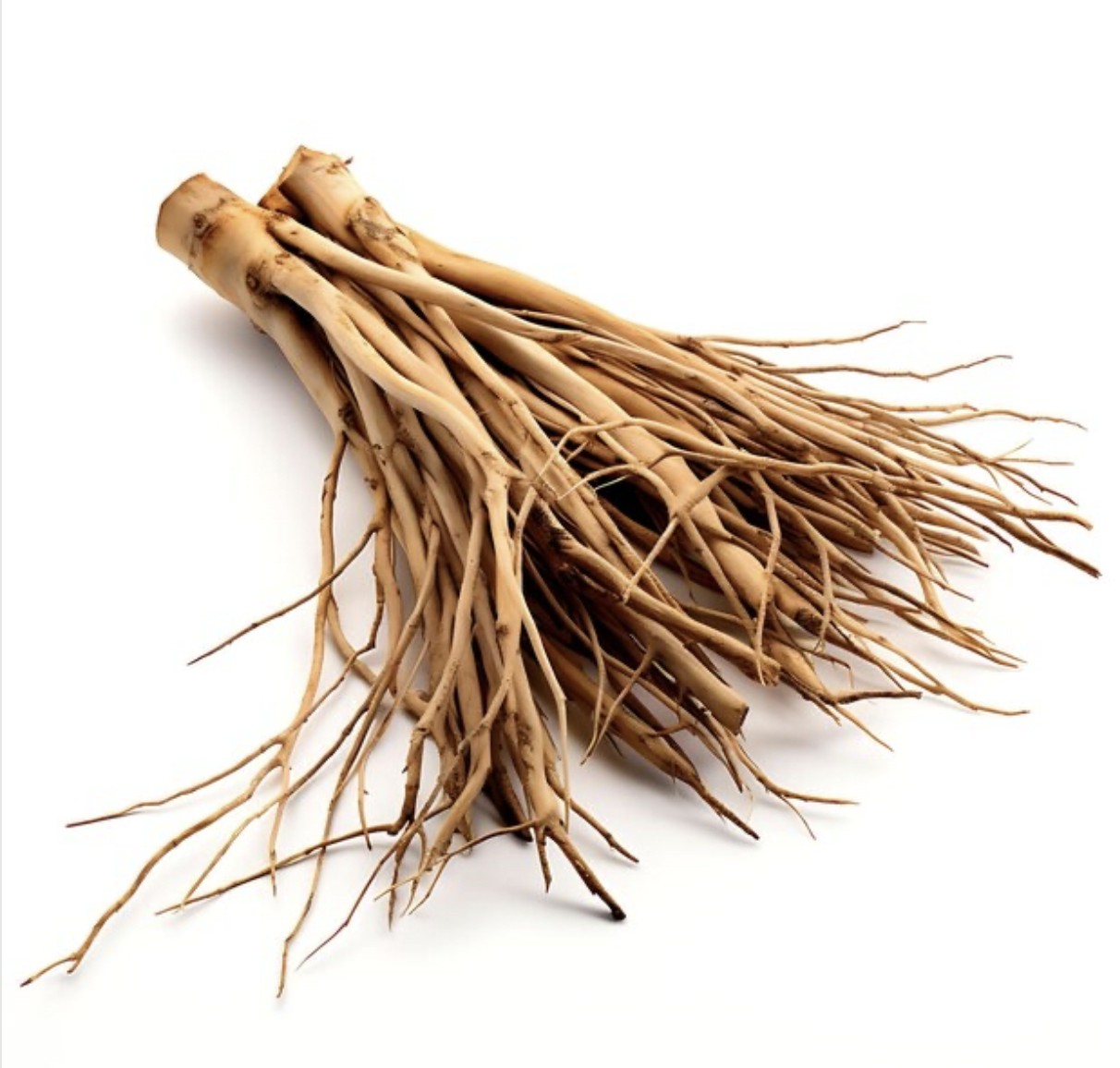
Eleuthero Root: Materia Medica Often called “Siberian Ginseng,” Eleuthero is a foundational adaptogen, long used to build resilience, stamina, and mental clarity under stress. Although not a true ginseng, it shares many of the revitalizing properties, especially in supporting endurance, immune function, and adrenal balance. “Eleuthero is the root of resilience—strengthening the body’s response to stress, sharpening the mind, and toning the spirit for long journeys.” MATERIA MEDICA Latin Binomial: Eleutherococcus senticosus (syn. Acanthopanax senticosus ) Common Name(s): Eleuthero, Siberian Ginseng (not true ginseng) TCM Name: Ci Wu Jia (刺五加) Ayurvedic Name: No direct counterpart; similar energetically to Ashwagandha Family: Araliaceae (Ginseng family) Physical Description of the Plant: A woody shrub with palmate leaves, small greenish flowers, and dark purple to black berries. The roots are tough and fibrous. Habitat: Native to Eastern Russia, China, Korea, and Japan. Grows in forested, mountainous areas. Harvest and Collection: Roots are harvested in autumn after 3–6 years of growth for medicinal use. Parts of the Plant Used: Root Qualities: Slightly bitter, sweet, earthy Energetics: Warming, tonifying, drying Dosha: Balances Vata and Kapha; can increase Pitta if overused Chemical Constituents: Eleutherosides (A–G, primary active compounds) Polysaccharides Coumarins Lignans Sterols Triterpenoid saponins Actions: Adaptogen Immunomodulator Tonic Stimulant (mild) Anti-fatigue Antioxidant Anti-inflammatory Hypoglycemic (mild) Indications: Fatigue from overwork or chronic stress Low stamina or immune weakness Brain fog, poor memory, or mental fatigue Recovery from illness or surgery Burnout and adrenal exhaustion Cold hands and feet, sluggish metabolism Athletic endurance and performance support Diagnostic Picture: Suited for individuals with low energy, weak immunity, or a history of long-term stress and exertion. Especially helpful for type-A personalities pushing past exhaustion or those with poor adaptation to life’s demands. Contraindications/Cautions: May be overstimulating for those with high blood pressure (though typically milder than Panax Ginseng) Avoid during acute infections or fever Not recommended in pregnancy without practitioner guidance Use with caution in high-stress anxiety or hyperthyroid states Drug Interactions: May enhance effects of stimulants, caffeine, or blood sugar-lowering medications Possible interaction with digoxin and immune-modulating drugs Dosage: Tincture: 2–4 mL, 2–3x/day Capsules: 300–500 mg, 1–3x/day Decoction: 1–2 tsp dried root simmered for 20 minutes; drink 1–2 cups/day Powder: 1–3 grams daily in smoothies or tea Combinations: With Rhodiola or Schisandra for endurance and stress resilience With Ashwagandha for adrenal recovery With Astragalus and Reishi for immune support With Gotu Kola or Ginkgo for cognitive clarity Folklore: Used in Traditional Chinese Medicine for centuries to increase "qi" and fortify life force. Russian scientists in the 20th century championed Eleuthero as a performance-enhancer for athletes, cosmonauts, and military personnel, popularizing it in the West as an “adaptogenic tonic.” Applications: Ideal for modern fatigue, immune depletion, and chronic stress. A slow-building herb—best taken over weeks to months. Eleuthero builds energy reserves, fortifies the body’s stress response, and enhances clarity without the crash of stimulants. Recipes: Adaptogen Power Tea Eleuthero root Licorice Reishi Cinnamon Simmer and drink daily for strength and balance Endurance Tincture Blend Eleuthero Rhodiola Schisandra Take 30 minutes before physical or mental exertion Adrenal Tonic Smoothie Eleuthero powder Maca Coconut milk Banana + greens Blend for a morning boost Scientific Research: Eleuthero has been shown in studies to enhance physical endurance, cognitive function, and immune regulation. Eleutherosides modulate the hypothalamic-pituitary-adrenal (HPA) axis, improving the body’s ability to adapt to stress and environmental challenges. References: “Adaptogens” by Winston & Maimes Hoffmann, D. “Medical Herbalism” TCM materia medica and formulas PubMed research on Eleutherococcus senticosus Russian and Eastern European pharmacopoeia Three Eleuthero Root Recipes to Try at Home Eleuthero Root Energizing Tea 1 tablespoon dried eleuthero root 2 cups water Honey or lemon, to taste Bring the water to a boil in a saucepan. Add the dried eleuthero root to the boiling water. Reduce the heat and let it simmer for 20 minutes. Strain the tea into a cup. Add honey or lemon if desired for extra flavor and enjoy the invigorating boost. Eleuthero Root Tincture 1 cup dried eleuthero root 2 cups vodka or brandy (at least 40% alcohol) Place the dried eleuthero root in a clean glass jar. Pour the alcohol over the root, ensuring it is completely covered. Seal the jar and store it in a cool, dark place for 4-6 weeks, shaking it gently every few days. After the steeping period, strain the liquid through a cheesecloth into a dark glass bottle. Use a few drops in water or juice up to three times daily for its adaptogenic benefits. Eleuthero Root and Ginger Syrup 1/2 cup dried eleuthero root 1/4 cup fresh ginger, sliced 3 cups water 1 cup honey Combine eleuthero root, ginger, and water in a saucepan. Bring to a boil, then reduce the heat and let it simmer until the liquid reduces by half. Strain the mixture, returning the liquid to the pan. Add honey to the liquid and heat gently, stirring until fully combined. Pour the syrup into a sterilized jar and store in the refrigerator. Take one tablespoon as needed for a warming, immune-boosting treat. Always consult a qualified practitioner before incorporating new herbal remedies into your routine, especially if you have existing health concerns or are taking medication.