Materia Medica: Comfrey Root
Société Apothecary
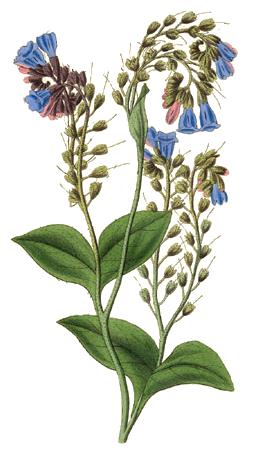
Comfrey Root: Materia Medica Deep in the soil grows the powerhouse of healing known as Comfrey Root. With ancient names like "knitbone" and "woundwort," this rich, earthy rhizome has been treasured for its ability to regenerate tissue, soothe inflammation, and mend musculoskeletal damage. While comfrey in Ayurveda is a more modern conversation than its deep roots in European folk medicine, its energetic qualities — cooling, moistening, and grounding — have drawn real interest from Ayurvedic practitioners seeking herbs that support the body's structural repair. Internal use is limited today due to safety concerns, but its topical applications remain revered across traditions. "Comfrey Root heals the deep—binding what's broken and restoring the strength beneath the surface." MATERIA MEDICA Latin Binomial: Symphytum officinale Common Name(s): Comfrey Root, Knitbone, Blackwort TCM Name: Not traditionally used Ayurvedic Name: Not traditionally used; modern herbal use only Family: Boraginaceae Physical Description of the Plant: The root is thick, black, and mucilaginous, growing deep into the ground. It supports the large, hairy-leaved perennial with its characteristic bell-shaped purple flowers. Habitat: Native to Europe and Asia; widely naturalized in North America. Prefers moist, rich soils near ditches, streams, and meadows. Harvest and Collection: Roots are harvested in the fall from 2–3 year-old plants when constituents are most concentrated. Washed, sliced, and dried promptly. Parts of the Plant Used: Root (primarily topical) Qualities: Earthy, mucilaginous, heavy Energetics: Cooling, moistening, deeply nourishing Chemical Constituents: Allantoin (stimulates cell proliferation and tissue repair) Mucilage (soothing demulcent) Rosmarinic acid (anti-inflammatory) Tannins (astringent) Pyrrolizidine alkaloids (PAs – toxic to liver in large or chronic internal doses) Saponins Actions: Vulnerary (wound healing) Anti-inflammatory Demulcent Astringent Analgesic (mild topical) Cell proliferant (stimulates tissue regeneration) Indications: Sprains, strains, and minor fractures Bruises, contusions, hematomas Torn ligaments, tendonitis Slow-healing wounds (clean only) Skin ulcers and eczema (topical) Deep tissue trauma Diagnostic Picture: Comfrey Root is suited for injury recovery where there's structural damage—muscle tears, broken bones, or joint inflammation. It aids in regrowth and regeneration when the body feels broken or overwhelmed. Contraindications/Cautions: Internal use is discouraged due to pyrrolizidine alkaloids (PAs), which may cause liver damage Do not use on deep or infected wounds—it can promote surface healing too quickly and trap infection Not for use in pregnancy, breastfeeding, or with liver disease Patch test before use on sensitive skin Drug Interactions: Avoid internal use alongside hepatotoxic drugs No significant interactions with topical use Dosage: Poultice: Apply fresh or rehydrated dried root to area of concern Salve: Infuse dried root in oil, combine with beeswax and other herbs for external application Compress: Strong decoction used as a soak or cloth compress Tincture: For topical use in liniments (use with caution) Combinations: With Arnica or St. John's Wort for musculoskeletal trauma With Calendula for wound-healing salves With Yarrow for anti-inflammatory and circulatory support in liniments With Plantain for drawing and soothing topical blends Folklore: Traditional European healers used Comfrey Root as a "bone-setting" herb, applying it externally to fractures and sprains. Medieval monks cultivated it in cloister gardens. The name "comfrey" comes from Latin conferre —"to bring together"—reflecting its bone-mending fame. Applications: Used topically as oils, salves, and poultices for deep-tissue repair. Best for acute injuries, post-operative care (topical only), and conditions where structural healing is essential. Should be used carefully and respectfully due to its potent regenerative properties. Recipes: Bone-Knit Salve Comfrey Root (infused oil) Calendula and Arnica flowers Beeswax Melt together and pour into tins for use on bruises, sprains, and sore joints Healing Poultice Dried Comfrey Root (rehydrated with warm water) Apply directly to injury, wrap with cloth; leave 30–60 minutes Liniment for Sore Joints Tincture of Comfrey Root St. John's Wort Lavender essential oil Used topically with a massage or compress Scientific Research: Topical Comfrey Root preparations have demonstrated effectiveness for back pain, sprains, and bruising in clinical studies. The allantoin and rosmarinic acid promote tissue regeneration and reduce inflammation. Internal use is restricted due to hepatotoxic PAs. References: Mills & Bone "Principles and Practice of Phytotherapy" Hoffmann, D. "Medical Herbalism" PubMed studies on topical Symphytum officinale https://www.ncbi.nlm.nih.gov American Herbal Products Association Safety Guide Check out our Comfrey Root products here . Comfrey in Ayurveda: An Integrative Perspective While comfrey ( Symphytum officinale ) does not appear in the classical Ayurvedic texts — it is a plant native to Europe and Western Asia, outside the traditional Ayurvedic pharmacopoeia — modern integrative practitioners have begun exploring its energetic affinities through an Ayurvedic lens. When we examine comfrey in Ayurveda, the conversation becomes genuinely fascinating. Energetics and Dosha Affinities Comfrey root's qualities are cooling ( shita ), heavy ( guru ), and unctuous ( snigdha ) — properties that would suggest a calming effect on Pitta dosha (reducing inflammation and heat) and a nourishing effect on Vata dosha (lubricating dry, depleted, or injured tissues). Its deeply mucilaginous nature aligns it with herbs that build and restore ojas — the Ayurvedic concept of vital essence and deep immunity. Its heaviness and earthiness also echo the qualities of Kapha , so practitioners would typically use comfrey in moderation for Kapha-dominant constitutions, and with appropriate warming herbs as counterbalance where needed. Dhatu Affinity: Bones, Muscles, and Connective Tissue In Ayurveda, herbs are understood in part through their affinity for particular dhatus (body tissues). Comfrey's reputation as "knitbone" points clearly toward asthi dhatu (bone tissue) and mamsa dhatu (muscle tissue), making it an interesting parallel to classical Ayurvedic rasayanas that support structural integrity — herbs like Ashwagandha, Shatavari, and Arjuna. Some modern Ayurvedic herbalists use comfrey topically in medicated oils ( taila ) for joint pain, fractures, and musculoskeletal injuries — a use that aligns seamlessly with its long Western folk history and its well-documented topical safety profile. A Note on Safety Within an Ayurvedic Framework Ayurveda places enormous importance on viruddha ahara (incompatible substances) and the careful management of agni (digestive fire) and liver health. This is especially relevant when considering comfrey in Ayurveda: the pyrrolizidine alkaloids present in comfrey root are hepatotoxic when taken internally, and classical Ayurvedic wisdom would echo the modern caution here — protecting liver function is central to rakta dhatu (blood tissue) health and overall wellbeing. Internal use is not recommended, and any integration of comfrey into an Ayurvedic practice should be done topically and in consultation with a qualified practitioner who understands both traditions. As always with cross-traditional herbalism, research is still emerging, and the most honest path is one of curiosity combined with caution. Three Comfrey Root Recipes to Try at Home Comfrey Root Healing Salve 1/2 cup dried comfrey root 1 cup olive oil 1/4 cup beeswax 10 drops lavender essential oil Infuse the olive oil with comfrey root by simmering gently in a double boiler for 2 hours. Strain the oil to remove the comfrey root, pressing to extract as much oil as possible. Return the infused oil to the double boiler and add the beeswax, stirring until melted. Remove from heat and add the lavender essential oil, mixing thoroughly. Pour into small jars or tins and allow to cool and solidify before using on skin. Comfrey Root Tea 1 tablespoon dried comfrey root 2 cups water Honey or lemon (optional, to taste) Bring the water to a boil in a small saucepan. Add the dried comfrey root, reduce the heat, and let it simmer for 10 minutes. Strain into a cup and add honey or lemon if desired before sipping. Comfrey Root Poultice 1/4 cup dried comfrey root Warm water Clean cloth or bandage Mix the dried comfrey root with enough warm water to create a thick paste. Spread the paste evenly onto a clean cloth or bandage. Apply the poultice to the affected area, securing it in place. Leave on for 20-30 minutes before removing and rinsing the area with warm water. Always consult a qualified practitioner before starting any new herbal regimen, especially if you have existing health concerns.