Materia Medica: Comfrey Leaf
Société Apothecary
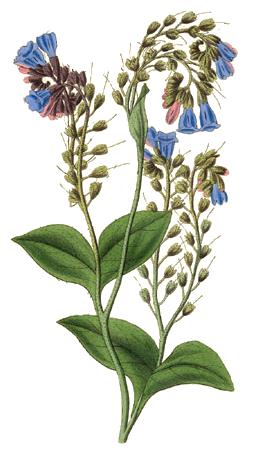
Comfrey Leaf: Materia Medica Known as "bone-knit" and "knitbone," Comfrey has been cherished for centuries as a plant that mends, nourishes, and restores. Especially valued for external use on bruises, breaks, and wounds, its healing energy is deep and structural—supporting the regeneration of tissues, skin, and even spirit. Whether you work with the leaf or explore the differences between comfrey root vs leaf, this is a plant that rewards slow, attentive study. "Comfrey gathers what is scattered—mending body and boundaries, inside and out." MATERIA MEDICA Latin Binomial: Symphytum officinale Common Name(s): Comfrey, Knitbone, Boneset (not to be confused with Eupatorium perfoliatum ) TCM Name: Not traditionally used Ayurvedic Name: Not traditionally used Family: Boraginaceae Physical Description of the Plant: A perennial with large, rough, lance-shaped leaves and bell-shaped flowers in purple, pink, or white. The plant is hairy and slightly mucilaginous, with deep taproots and vigorous growth. Habitat: Native to Europe and naturalized in temperate regions of North America and Asia. Grows in moist meadows, along streams, and garden edges. Harvest and Collection: Leaves are harvested during the growing season before flowering, ideally in late spring. Root is generally harvested in fall. Leaves should be dried promptly to avoid spoilage. Parts of the Plant Used: Primarily the leaves (external use), occasionally roots (with caution) Qualities: Mucilaginous, earthy, sweet Energetics: Cooling, moistening, soothing, rebuilding Chemical Constituents: Allantoin (stimulates cell regeneration) Mucilage Rosmarinic acid (anti-inflammatory) Tannins Pyrrolizidine alkaloids (PAs – especially in roots; lower in leaves) Saponins Phenolic acids Actions: Vulnerary (wound-healing) Demulcent Anti-inflammatory Cell proliferant Astringent Mild expectorant Indications: Bruises, sprains, and minor fractures Wound healing (only on clean, non-infected wounds) Sore muscles and inflamed joints Eczema, psoriasis, and dry, irritated skin Coughs (as a demulcent in small doses – with caution) Diagnostic Picture: Comfrey is for damaged, dry, or inflamed tissues in need of rebuilding—be it skin, muscle, or mucous membrane. It soothes and knits, particularly where structure and moisture are both needed. Contraindications/Cautions: Internal use is controversial due to the presence of pyrrolizidine alkaloids (PAs), which may be hepatotoxic in high or prolonged doses Not for use in pregnancy or lactation Avoid applying to deep wounds or puncture wounds that could trap infection Short-term, topical use of the leaf is considered safe Drug Interactions: None widely documented topically; avoid internal use unless under professional guidance Dosage: Infusion (external wash): 1–2 tbsp dried leaf per cup water; steep and use as a compress or rinse Poultice: Fresh or rehydrated leaf applied to injuries or inflammation Salve/Oil: Infuse dried leaves in oil; apply to bruises, skin irritations, or dry areas Tincture: Rarely used internally; avoid unless guided by a qualified practitioner Combinations: With Calendula for wound healing With Plantain for bug bites and skin inflammation With St. John's Wort for nerve pain in topical blends With Yarrow for anti-inflammatory and astringent effects in compresses Folklore: Comfrey was used in ancient Greek medicine and throughout European folk herbalism as a plant to "knit bones." It was considered sacred for mending, not just physically but emotionally. Farmers once added it to animal feed (no longer advised internally), and herbalists used it in baths for strengthening the body after illness or childbirth. Applications: Best applied topically—comfrey excels in salves, compresses, oils, and poultices for musculoskeletal injuries, wounds, and inflammation. Internally it has a rich demulcent quality, but use is restricted due to alkaloid content. Externally, it is a gift for bones, skin, and connective tissue. Recipes: Soothing Skin Salve Comfrey leaf-infused oil Beeswax Optional: Calendula, Plantain, Lavender essential oil Melt, mix, and pour into tins for daily skin care and wound recovery Bone and Bruise Compress Strong infusion of dried comfrey leaf Soak clean cloth and apply to sprains, bruises, or sore joints Gardeners' Hand Cream Comfrey leaf oil Shea butter Chamomile and lavender essential oils Apply to cracked or dry hands after gardening Scientific Research: Studies confirm Comfrey's effectiveness in accelerating healing of abrasions, sprains, and bruises. Allantoin stimulates cell proliferation and tissue regeneration. Modern research focuses on topical applications due to internal safety concerns regarding pyrrolizidine alkaloids. References: Hoffmann, D. "Medical Herbalism" Mills & Bone "Principles and Practice of Phytotherapy" PubMed articles on Symphytum officinale American Herbal Pharmacopoeia Monograph https://www.ncbi.nlm.nih.gov Check out our product for comfrey leaf Comfrey Root vs Leaf: What's the Difference and Which Should You Use? One of the most common questions we hear from students and herbal enthusiasts is: what's the actual difference between comfrey root vs leaf, and does it matter which one you reach for? The short answer is yes—it matters quite a bit, both in terms of potency and safety. Comfrey Root The root of Symphytum officinale is the more concentrated of the two. It contains higher levels of allantoin—the key cell-proliferating constituent responsible for comfrey's legendary tissue-mending reputation—as well as significantly higher concentrations of pyrrolizidine alkaloids (PAs). PAs are the compounds at the centre of comfrey's safety debate; in sufficient quantities and with prolonged exposure, they have been shown to be hepatotoxic (damaging to the liver). For this reason, comfrey root is generally reserved for short-term external use only, and internal use of the root is strongly discouraged and restricted in several countries. When herbalists or formulators want the deepest, most potent topical action—think intensive bruise or fracture support—they may turn to root preparations, but always with caution and for limited duration. Comfrey Leaf The leaf is the gentler, more accessible part of the plant. It still contains allantoin, rosmarinic acid, mucilage, and tannins—a beautifully rounded profile for soothing and mending—but its PA content is considerably lower than that of the root. This makes comfrey leaf the preferred choice for most topical herbal preparations: salves, compresses, infused oils, and poultices. For everyday herbal practice, comfrey leaf is the part you're most likely to work with safely and confidently. A Simple Comparison at a Glance: Allantoin content: Higher in root / present in leaf Pyrrolizidine alkaloids (PAs): Much higher in root / lower in leaf Best use: Root for intensive short-term topical use; leaf for regular topical preparations Internal use: Not recommended for either without professional guidance; root carries greater risk Harvest time: Root in autumn; leaf in late spring before flowering Texture/feel: Root is dense and starchy; leaf is softer and more mucilaginous when fresh In practice, most contemporary herbalists and product formulators work primarily with comfrey leaf for ongoing, accessible use—reserving root preparations for specific, time-limited applications under informed guidance. At Société Apothecary, our focus is on the leaf for exactly this reason: it offers comfrey's signature knitting, soothing energy in a form that suits everyday ritual use. If you are working with either part medicinally, we always recommend consulting a qualified herbal practitioner—particularly if you have liver concerns, are pregnant or nursing, or plan any form of internal use. Research into comfrey's PA content and its cumulative effects is still evolving, and individual circumstances matter enormously. Three Comfrey Leaf Recipes to Try at Home Comfrey Leaf Healing Salve 1 cup dried comfrey leaves 1 cup olive oil 1/4 cup beeswax pellets 10 drops lavender essential oil (optional) Small glass jars or tins for storage Infuse the olive oil with comfrey leaves by placing them in a double boiler and simmering gently for 1-2 hours. Strain the oil through a fine mesh sieve or cheesecloth to remove the leaves. Return the infused oil to the double boiler and add the beeswax pellets, stirring until fully melted. Remove from heat and add lavender essential oil if desired. Pour the mixture into small jars or tins and allow it to cool and solidify before sealing. Use topically on bruises, sprains, or minor wounds. Comfrey Leaf Tea 1 tablespoon dried comfrey leaves 1 cup boiling water Honey or lemon (optional) Place the dried comfrey leaves in a heatproof mug or teapot. Pour boiling water over the leaves and cover, allowing it to steep for 10-15 minutes. Strain the tea into another mug, pressing the leaves to extract any remaining liquid. Sweeten with honey or add a squeeze of lemon if desired. Sip slowly and enjoy the soothing benefits. Comfrey Leaf Poultice 1/2 cup fresh comfrey leaves Mortar and pestle or blender Clean cloth or bandage Rinse the fresh comfrey leaves thoroughly under cool water. Crush the leaves using a mortar and pestle or blend them into a paste-like consistency. Spread the paste onto a clean cloth or bandage. Apply the poultice directly onto the affected area. Secure with a bandage and leave in place for up to 2 hours, refreshing as needed. Always consult a qualified healthcare practitioner before using herbal remedies, especially if pregnant, nursing, or on medication.