Materia Medica: Chapparal
Société Apothecary
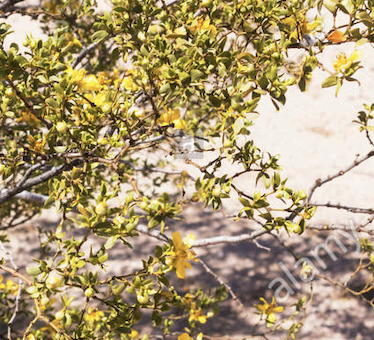
]( https://www.societeapothecary.com/s/search?q=chaparral ) Chaparral: Materia Medica Chaparral, often known as “creosote bush,” is a powerful desert healer revered by Indigenous peoples of the American Southwest for its cleansing, antimicrobial, and protective qualities. With a pungent, resinous scent reminiscent of desert rain, it is both ancient and intense—offering strength and detoxification to body and spirit. “Chaparral burns away the unwanted—purifying with fierce desert wisdom.” MATERIA MEDICA Latin Binomial: Larrea tridentata Common Name(s): Chaparral, Creosote Bush, Gobernadora TCM Name: Not traditionally used Ayurvedic Name: Not traditionally used Family: Zygophyllaceae Physical Description of the Plant: A resinous evergreen shrub with small, waxy leaves and yellow flowers, thriving in arid desert environments. Known for its strong aroma, especially after rain. Habitat: Native to the southwestern United States and northern Mexico; dominant in the Mojave, Sonoran, and Chihuahuan deserts. Harvest and Collection: Leaves and small twigs are harvested throughout the year, especially during dry, hot conditions when resins are concentrated. Use dried for internal use (if any), or infused for topical applications. Parts of the Plant Used: Leaves and stems Qualities: Pungent, bitter, resinous Energetics: Hot, dry, penetrating Chemical Constituents: Nordihydroguaiaretic acid (NDGA) – antioxidant, controversial internally Lignans Flavonoids Tannins Resin acids Actions: Antimicrobial Antioxidant Anti-inflammatory Lymphatic stimulant Antifungal Detoxifying Antitumor (historically and experimentally) Indications: Chronic skin conditions (topical use) Fungal infections such as athlete’s foot or ringworm Lymphatic stagnation (topical applications) Chronic inflammatory states Historically used in cancer support (controversial) Detoxification (internal use discouraged due to safety) Diagnostic Picture: Chaparral suits tough, stuck, chronic conditions—especially skin, fungal, and inflammatory disorders where cleansing and stimulation are needed. Best for constitutionally robust individuals. Contraindications/Cautions: Internal use is highly controversial due to reports of hepatotoxicity and potential nephrotoxicity (especially in large or long-term doses) Not recommended during pregnancy, lactation, or in children Use with extreme caution internally, under supervision only Topical use is generally safe, though may cause irritation in sensitive individuals Drug Interactions: May interfere with liver-metabolized drugs Avoid with immunosuppressants or during chemotherapy unless advised Dosage: Infusion (for external wash): 1 tbsp dried herb per cup boiling water; steep 30 minutes Tincture (internal use not recommended): If used, extremely low doses (5–10 drops), short-term Topical applications: Strong tea or tincture diluted with water for compresses Oil or salve infusions for fungal or bacterial skin issues Combinations: With Plantain or Calendula for skin salves With Echinacea or Red Root (topically) for lymphatic cleansing With Black Walnut and Myrrh for antifungal preparations Folklore: Used by Indigenous tribes of the Southwest, such as the Cahuilla and Pima, for skin conditions, arthritis, and spiritual purification. Its strong smell and taste made it a plant of strength and protection—both medicinally and ceremonially. Applications: Best applied externally as a wash, soak, or salve. Use for athlete’s foot, chronic skin infections, boils, and inflamed lymph nodes. Not generally recommended for internal use today, though historically it was used in teas and decoctions for deep detox and infection. Recipes: Desert Skin Wash Chaparral tea (strong infusion) Apply with a cotton pad to fungal infections or chronic skin conditions Antifungal Salve Chaparral-infused oil Beeswax Tea Tree and Lavender essential oils Apply to ringworm, athlete’s foot, or dry eczema patches Lymphatic Compress Strong decoction of Chaparral and Red Root Soak cloth, apply to swollen lymph nodes or cystic areas Scientific Research: NDGA, a key constituent, shows strong antioxidant and anti-inflammatory properties in vitro. However, internal use has been linked to liver damage in several case reports. Modern research is focused on topical uses and understanding its anti-cancer and antimicrobial effects. References: Tierra, M. “Planetary Herbology” Hoffmann, D. “Medical Herbalism” PubMed studies on Larrea tridentata and NDGA Michael Moore’s Desert and Canyon West Medicinal Plants Guide https://www.ncbi.nlm.nih.gov Check out our chaparral products here . Three Chapparal Recipes to Try at Home Chapparal Infusion for Wellness Support 1 tablespoon dried chapparal leaves 2 cups water Honey or lemon (optional, to taste) Bring the water to a gentle boil in a small pot. Add the dried chapparal leaves to the boiling water, then reduce the heat to a simmer. Let the mixture steep for 15-20 minutes. Strain the infusion into a cup and add honey or lemon if desired. Enjoy warm, sipping slowly to savor the earthy flavor. Chapparal Skin Salve 1/4 cup dried chapparal leaves 1/2 cup olive oil 1 tablespoon beeswax 5 drops lavender essential oil (optional) Combine the chapparal leaves and olive oil in a heatproof jar. Place the jar in a saucepan with a few inches of water to create a double boiler, and heat gently for 1-2 hours. Strain the infused oil through a fine mesh strainer or cheesecloth into a clean jar. Melt the beeswax in a clean saucepan, then stir in the infused oil and lavender essential oil. Pour the mixture into small tins or jars and allow it to cool completely before sealing. Chapparal Herbal Bath Soak 1/2 cup dried chapparal leaves 1/4 cup Epsom salts 1/4 cup baking soda Muslin bag or cheesecloth Mix the chapparal leaves, Epsom salts, and baking soda in a bowl. Spoon the mixture into a muslin bag or wrap it in cheesecloth, securing tightly. Hang the bag under the hot water tap as you fill your bathtub, allowing the water to flow through. Soak in the bath for at least 20 minutes, letting the soothing properties envelop you. Remove the bag before draining the tub, and discard the contents. As with any herbal remedy, it is advisable to consult a qualified healthcare practitioner before starting new treatments.