Materia Medica California Poppy
Société Apothecary
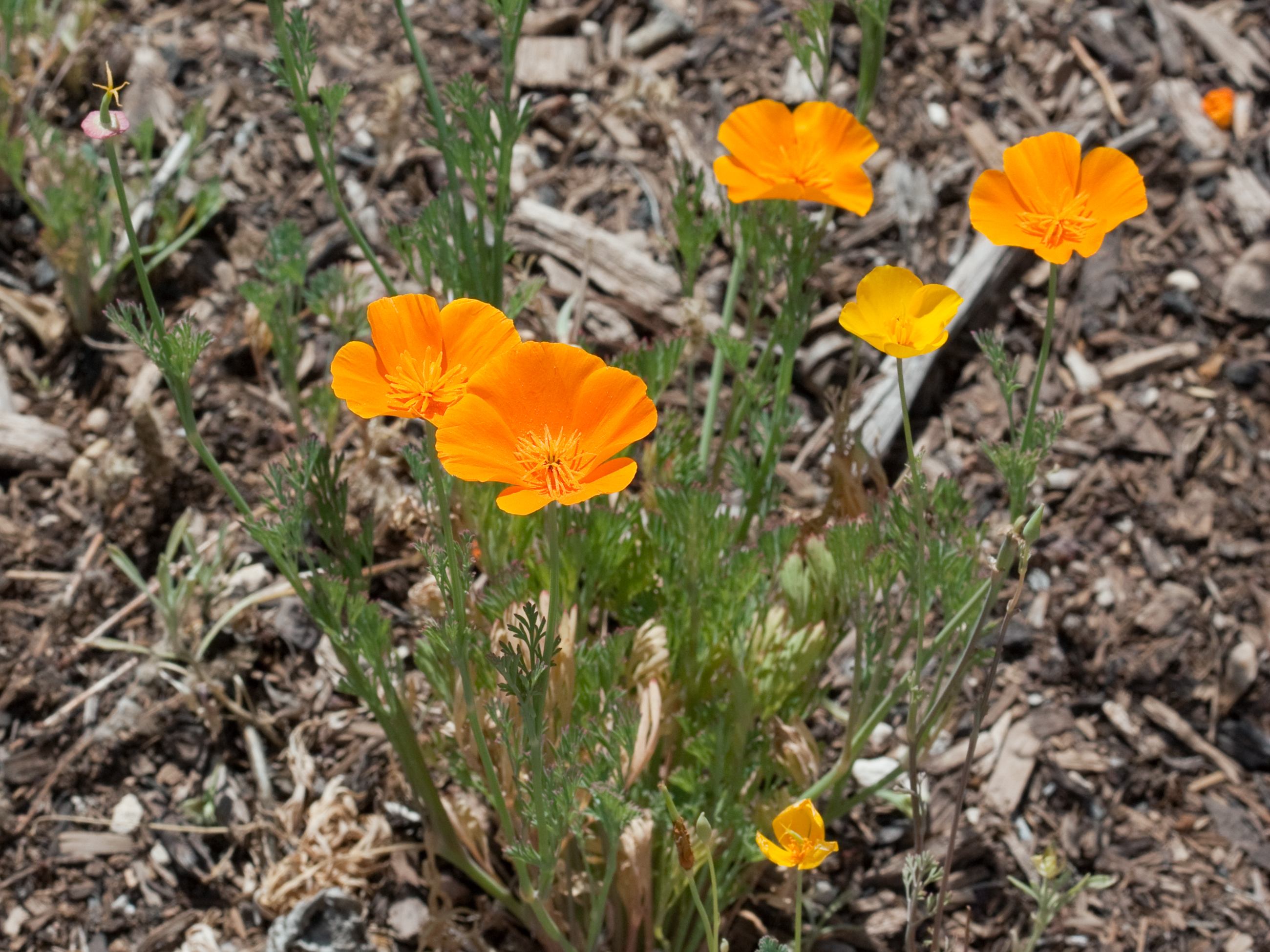
California Poppy: Materia Medica This golden blossom of the West has enchanted native cultures, early settlers, and contemporary herbalists alike for its calming and gentle analgesic properties. "Sleep is that golden chain that ties health and our bodies together." – Thomas Dekker MATERIA MEDICA Latin Binomial: Eschscholzia californica Common Name(s): California Poppy, Golden Poppy, Cup of Gold TCM Name: Not traditionally used in TCM Ayurvedic Name: No direct traditional use; may be grouped under mild nervines Family: Papaveraceae (Poppy family) Physical Description of the Plant: An herbaceous perennial often grown as an annual, California Poppy boasts silky, bright orange to yellow petals that close at night or on cloudy days. Its feathery, blue-green leaves and slender stems give it an airy appearance. Habitat: Native to the western United States and northern Mexico, especially California. It thrives in sunny, dry, open areas and well-drained soils. Harvest and Collection: Harvest aerial parts during full bloom. The whole plant (flowers, leaves, stems) can be used, typically dried for later use. Parts of the Plant Used: Aerial parts (flowers, leaves, stems) Qualities: Gently calming, cooling, mildly bitter Energetics: Cool and slightly moistening Chemical Constituents: Alkaloids: protopine, allocryptopine, eschscholtzine, californidine Flavonoids Carotenoids Essential fatty acids Actions: Nervine Sedative Hypnotic (mild) Anxiolytic Analgesic (mild) Antispasmodic Indications: Mild to moderate anxiety Sleeplessness and difficulty falling asleep Nervous tension, especially in children and elders Overactive mind and physical restlessness Minor aches and neuralgic pains Bedwetting (nocturnal enuresis) in children (used cautiously) Diagnostic Picture: Best suited for individuals experiencing anxiety with physical restlessness or insomnia marked by racing thoughts. Can calm without heavy sedation. Contraindications/Cautions: Not to be used during pregnancy or breastfeeding. Avoid combining with strong sedative medications unless supervised by a healthcare provider. Drug Interactions: May enhance effects of CNS depressants, sedatives, and hypnotic drugs. Dosage: Tincture: 10–40 drops (0.5–2 mL) up to 3x daily, or before bed Infusion: 1–2 tsp dried herb per cup boiling water; steep 10–15 minutes Glycerite (for children): 5–15 drops diluted, especially before sleep Combinations: With Valerian or Passionflower for deeper sedative effects With Skullcap or Lemon Balm for gentle daytime anxiety support With Chamomile for children’s calming formulas Folklore: California Poppy, the state flower of California, was revered by Indigenous tribes like the Chumash and Costanoan as a sleep aid and mild pain reliever. Symbolically, the flower represents rest, renewal, and the gentle transition from activity to peace. Applications: California Poppy is especially helpful in calming frazzled nerves after a stressful day, gently ushering in sleep. It’s appropriate for those sensitive to stronger sedatives and is safe for short-term use in children. Recipes: Soothing Sleep Tea 1 tsp California poppy 1 tsp Chamomile 1/2 tsp Lavender Steep in 8 oz hot water for 10 minutes. Drink 30 minutes before bed. Calm Child Tincture (Alcohol-Free) Equal parts California Poppy and Lemon Balm glycerite Dose: 5–10 drops diluted in water or juice before bed Pain-Relief Bath Soak 1 cup Epsom salts 2 tbsp dried California Poppy 1 tbsp dried Skullcap Steep herbs in boiling water, strain, and add to bath. Scientific Research: Studies show California Poppy's alkaloids have anxiolytic and mild sedative actions without the addictive potential of opiates. A 2010 clinical trial combining it with Crataegus (hawthorn) and magnesium showed promise in anxiety treatment, though more research is needed. References: HerbalGram (American Botanical Council) Hoffmann, D. "Medical Herbalism" Felter & Lloyd, "King’s American Dispensatory" Earthwise Herbal Vol. I, M. Wood https://www.ncbi.nlm.nih.gov/pmc/articles/PMC4189571/ https://www.mountainroseherbs.com/products/california-poppy/profile Click here for all our products with California Poppy. Three California Poppy Recipes to Try at Home California Poppy Calming Tea 1 tablespoon dried California poppy petals 1 teaspoon dried chamomile flowers 1 teaspoon dried lemon balm leaves 2 cups boiling water Honey or lemon (optional) Combine the dried California poppy petals, chamomile flowers, and lemon balm leaves in a teapot or heatproof jar. Pour the boiling water over the herbs, cover, and let steep for 10-15 minutes. Strain the tea into a cup, sweeten with honey or add a splash of lemon if desired, and enjoy a moment of calm. Gentle California Poppy Sleep Tincture 1/2 cup dried California poppy leaves and petals 1 1/2 cups 80-proof vodka or brandy A clean glass jar with a tight-fitting lid Place the dried California poppy leaves and petals in the glass jar. Pour the vodka or brandy over the herbs, ensuring they are fully submerged. Seal the jar and store it in a cool, dark place for 4-6 weeks, shaking gently every few days. Strain the liquid into a dark glass dropper bottle, discarding the plant material. Use 1-2 droppersful before bedtime to promote restful sleep. Soothing California Poppy Bath Soak 1 cup Epsom salts 1/4 cup dried California poppy petals 1/4 cup dried lavender flowers 10 drops lavender essential oil In a bowl, mix the Epsom salts, dried California poppy petals, and dried lavender flowers. Add the lavender essential oil and stir to distribute evenly. Store the mixture in an airtight container until ready to use. Add about 1/2 cup of the blend to a warm bath, soak, and allow the soothing scents to ease tension and stress. Always consult with a qualified practitioner before starting any new herbal regimen.